
Planting
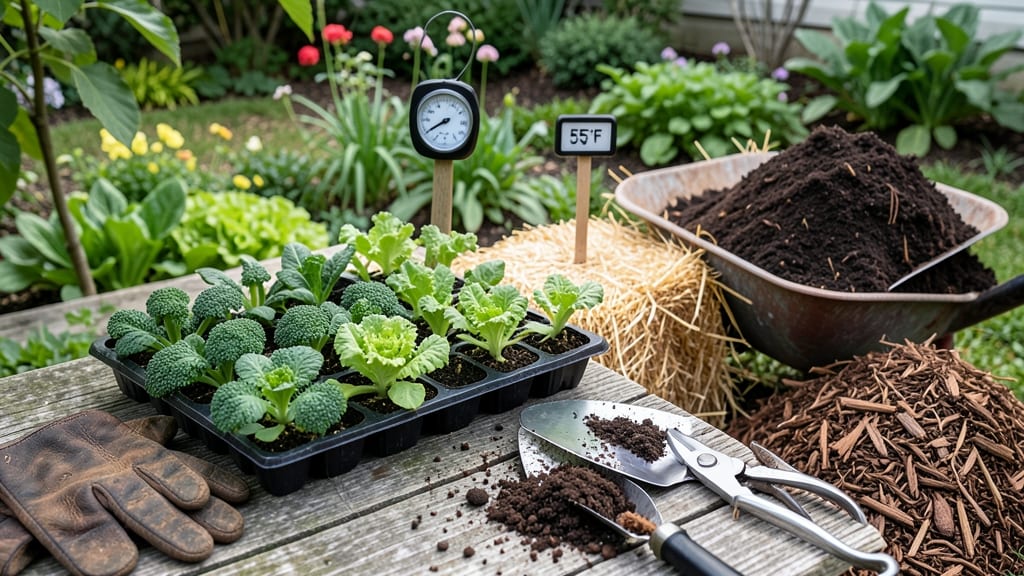
Planting your garden in East Tennessee at the right time means the difference between a thriving harvest and a wasted season—where soil warmth and frost dates collide to create that perfect window for success.
Picture this: you’ve spent weeks preparing your soil, only to watch tender seedlings crisp under an unexpected late frost.
Or worse, your tomatoes bolt to flower before they ever ripen because you planted too early. Timing in zones 6a-7a isn’t just about dates—it’s about understanding when the earth finally warms enough to support roots and when those chilly nights will retreat for good.
Most gardeners in East Tennessee know the general rule: wait until after the last frost date, usually mid-April, but that’s just the start. Cool-season crops like broccoli and peas can handle a light frost, while warm-season favorites like tomatoes and peppers need soil temperatures above 60°F to thrive.
Throw in microclimates—like the cooler mountain valleys versus the warmer ridges—and you’ve got a puzzle that changes every year.
Below, I’ll break down the exact planting calendar for your region, from starting seeds indoors to transplanting perennials and veggies, plus pro tips to stretch your growing season when Mother Nature plays tricks. Ready to turn those frost dates into a harvest plan?
East Tennessee frost dates & soil temperature guidelines for planting
Understanding East Tennessee frost dates and soil temperature thresholds is the key to unlocking a thriving garden in USDA Zones 6a-7a. The region’s last spring frost typically arrives between mid-April and early May, while the first fall frost hits around mid-October.
These dates create a narrow but critical window for planting warm-season crops like tomatoes and peppers.
Soil temperature plays an equally vital role—cool-season crops like lettuce and spinach thrive when soil is between 40°F and 50°F, while warm-season plants need soil to warm to 60°F or higher before planting.
In East Tennessee, soil temperatures lag behind air temperatures, so don’t rush to plant until you’ve confirmed the ground is ready.
Knoxville, Chattanooga, and Asheville each have slight variations in frost dates due to elevation and microclimates. For example, Asheville’s higher elevation often experiences frost 1-2 weeks later than Knoxville. Always check local weather forecasts or use a soil thermometer to avoid frost damage to tender seedlings.
Here’s a quick guide to help you align your planting schedule with East Tennessee’s unique climate patterns:
| Region | Avg. Last Frost | Avg. First Frost | Soil Temp for Warm-Season Crops | Ideal Planting Window |
|---|---|---|---|---|
| Knoxville | April 15-20 | October 10-15 | ≥60°F | Late April - Mid-May |
| Chattanooga | April 10-15 | October 5-10 | ≥60°F | Mid-April - Early May |
| Asheville | April 20-25 | October 15-20 | ≥60°F | Late April - Early May |
| Cool-Season Crops | N/A | N/A | 40°F-50°F | March - Early April or August - Mid-September |
| Warm-Season Crops | N/A | N/A | ≥60°F | After last frost (April-May) or August for fall harvests |
For cool-season crops, such as broccoli, cabbage, and peas, you can start planting as early as late February or early March under row covers or in a greenhouse.
These plants tolerate soil temperatures as low as 40°F and can even handle light frosts, making them ideal for early spring or late summer plantings.
When planting warm-season crops like tomatoes, peppers, and cucumbers, wait until the soil temperature consistently reaches 60°F or higher. In East Tennessee, this typically occurs 2-3 weeks after the last frost date.
Use a soil thermometer to confirm—planting too early in cool soil can stunt growth or invite disease.
If you’re growing perennials or woody plants, timing matters less, but planting in early spring (March-April) allows roots to establish before summer heat.
For annual flowers, like marigolds or zinnias, you can sow seeds directly into the garden after the last frost or start them indoors 6-8 weeks before transplanting.
Always remember that East Tennessee’s microclimates can create surprises—valleys may frost later than hilltops, and urban areas can be 2-5°F warmer than rural spots. Monitor local weather updates and adjust your planting schedule accordingly to maximize your garden’s potential.
By aligning your planting with these frost dates and soil temperature guidelines, you’ll set your East Tennessee garden up for success—whether you’re growing vegetables, herbs, or flowers. Happy gardening! 🌱
Best planting calendar for East Tennessee gardens by month
Timing your garden in East Tennessee isn’t just about dates—it’s about matching soil warmth with the right plants. The region’s USDA zones 6a-7a mean cool springs and warm summers, but frost can linger until mid-April in the mountains.
My calendar below breaks down when to plant everything from cool-season greens to heat-loving tomatoes, plus my top tips for late starts.
Start with cool-season crops in early spring (March-April) when soil reaches 40°F. These hardy plants—like spinach and kale—thrive in cooler temps and can even survive light frosts.
For warm-season favorites (tomatoes, peppers, cucumbers), wait until after the last frost when soil hits 60°F+, usually late April to early May.
Here’s your month-by-month guide, with frost-resistant varieties highlighted for those late-season planting opportunities:
For late starts, opt for frost-resistant varieties like ‘Winterbor’ kale or ‘Red Norland’ potatoes, which tolerate cooler soils. In summer’s heat, prioritize shade-loving herbs (cilantro, parsley) and drought-tolerant flowers (zinnia, marigold) to conserve water.
Pro tip: Use mulch to regulate soil temperature—it keeps roots cool in summer and warm in spring, giving you a 2-3 week advantage on planting dates. Pair this calendar with my frost protection guide to stretch your season even further.
Now that you’ve got the timing down, grab your gardening gloves and let’s turn those frost dates into a harvest timeline! 🌱