
Planting
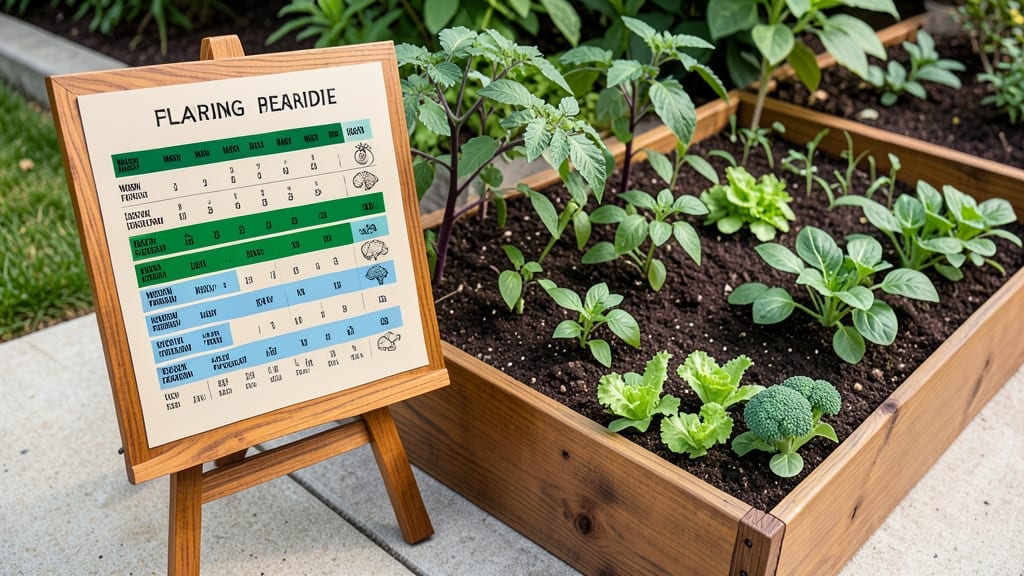
To plant a garden in Florida, timing is everything—especially since the state spans Zones 7A-10A, where a single county can have frost-free windows that differ by weeks.
Florida’s year-round growing season feels like a gardener’s dream, but one wrong move can turn your seedlings into crispy snacks before they even sprout.
Whether you’re in the Panhandle’s cooler pockets or Miami’s steamy heat, knowing the exact microclimate-specific windows means the difference between a bumper crop and a sad, wilted pile of disappointment.
Here’s the game-changer: North Florida’s cool-season crops (think broccoli, peas) need to hit the soil by late January, while South Florida’s heat-lovers (okra, sweet potatoes) thrive when planted in April or May.
Even hurricane season can shift your schedule—so we’ll cover how to adjust without losing your plants to a sudden downpour.
Below, you’ll find a zone-by-zone planting calendar, tips to beat Florida’s quirks (humidity, heat waves, storms), and the fastest-growing crops to maximize yields before the heat—or rain—ruins your plans.
Florida planting calendar by microclimate zone (7A-10A): exact start dates for vegetables, flowers & herbs
Florida’s frost-free zones create a unique gardening opportunity where you can grow almost year-round—but timing is everything. Zone 7A in North Florida has cooler winters, while Zone 10A in the Keys enjoys tropical warmth. Even within these zones, microclimates mean your neighbor’s perfect planting window might not work for you.
I’ll break down the exact month-by-month schedule for heat-sensitive crops (like broccoli) versus heat-loving plants (like okra), plus regional adjustments for North vs. South Florida.
For cool-season crops (think leafy greens, root vegetables, and brassicas), the goal is to plant when temperatures stay below 85°F. In Zone 7A, this means starting in late August for fall harvests, while Zone 10A gardeners can squeeze in two cool seasons: January-February and August-September.
Heat-loving plants like tomatoes, peppers, and sweet potatoes, on the other hand, thrive when soil temperatures exceed 60°F, making March-April the ideal window for most of Florida.
Here’s where things get tricky: humidity and hurricane season can derail even the best-laid plans. I’ll show you how to adjust planting dates based on your specific zone and local weather patterns to avoid soggy seedlings or storm damage.
Let’s dive into the month-by-month breakdown so you can plant with confidence.
| Month | Zone 7A (North FL) | Zone 8A-9A (Central FL) | Zone 10A (South FL) | Notes |
|---|---|---|---|---|
| January | Cool-season veggies (broccoli, peas), herbs (parsley, cilantro), pansies | Cool-season veggies, snap peas, lettuce, carrots | Warm-season prep (tomatoes, peppers indoors), cool-season greens | Avoid frost pockets in Zone 7A |
| February | Direct-sow warm crops (okra, sweet potatoes), transplant tomatoes | Start warm-season veggies, basil, marigolds | Direct-sow beans, cucumbers, melons | Use shade cloth for seedlings |
| March | Peak warm-season planting (eggplant, peppers), succession plant greens | Full warm-season garden, okra, sweet potatoes | Plant heat-tolerant greens (Malabar spinach), herbs | Mulch heavily to retain moisture |
| April | Succession plant beans, cucumbers; harvest warm crops | Peak production; watch for pests | Plant tropicals (ginger, turmeric), shade-loving flowers | Reduce watering slightly to harden off plants |
| May | Prepare for summer; plant heat-tolerant greens (Swiss chard) | Slow growth; focus on maintenance | Direct-sow pumpkins, winter squash | Use drip irrigation to avoid fungal issues |
| June | Plant fall greens from seed (cabbage, kale) | Start cool-season crops indoors | Plant sweet potatoes, peanuts, okra | Hurricane prep: secure containers |
| July | Transplant fall broccoli, Brussels sprouts | Direct-sow beans, peas, carrots | Plant winter radishes, turnips |
How to adjust planting times for Florida’s unpredictable weather: heat waves, humidity & hurricane season risksFlorida’s weather is as unpredictable as it is intense—100-degree heat waves can smother seedlings overnight, while hurricane season (June-November) turns your garden into a flood zone if you’re not prepared. The key to success? Flexible planting strategies that account for these extremes without sacrificing your harvest. Unlike cooler climates, Florida’s year-round growing potential means you can’t just follow a rigid calendar; you must adapt on the fly. Start by grouping plants by heat tolerance. Cool-season crops like broccoli and spinach need to be in the ground by late January in North Florida or early February in Central Florida to avoid bolting before they mature. Meanwhile, heat-loving crops like okra and sweet potatoes should wait until after the last frost risk (mid-March in North FL, February in South FL) to avoid stunted growth from chilly nights. ⚠️ callout-warning
🌧️ Hurricane Season (June-November) = Planting Pause
If you plant seedlings or transplants within 4-6 weeks of hurricane season, they’re at high risk of uprooting or salt damage from storm surges. Delay heat-sensitive crops (tomatoes, peppers) until after July 15 in South Florida or after August 15 in North Florida to give them time to establish roots before storms hit. 💡 Pro Tip: Use container gardens for high-value crops—they’re easier to move indoors or to higher ground if a storm warning arrives. For succession planting, the golden rule is to stagger plantings every 2-3 weeks for crops like lettuce, radishes, and bush beans. This ensures a continuous harvest even if one batch gets hit by a sudden heat wave or storm. For example, if you plant lettuce in January, follow up with another round in February and March—this way, you’ll always have fresh greens before the April heat forces bolting. Humidity is another silent gardening enemy. Fungal diseases like powdery mildew thrive in Florida’s damp air, so avoid overhead watering and opt for drip irrigation or soaker hoses instead. If you notice yellowing leaves or white powder on plants like cucumbers or squash, immediately remove affected foliage and treat with a neem oil spray. Timing matters here too—plant susceptible crops in early morning so they dry quickly, reducing fungal spores’ chance to take hold. When heat waves hit (especially in June-August), shift your focus to shade-loving crops like Swiss chard, malabar spinach, or sweet potato greens. These thrive in partial shade and won’t bolt like lettuce would. For sun-lovers, provide row covers or shade cloth (30-50%) during the hottest hours (11 AM–3 PM) to protect seedlings. Mulch heavily with straw or pine needles to retain moisture and keep roots cool—this is non-negotiable in Florida’s clay-heavy soils. Finally, hurricane prep isn’t just about storms—it’s about soil health. Before the season starts, amend your soil with compost and organic matter to improve drainage and reduce erosion risks. If a storm knocks out your power, hand-water deeply every 2-3 days to prevent transplant shock. And always keep a 5-day supply of mulch and row covers on hand to protect vulnerable plants if a storm warning comes in. |