
Planting
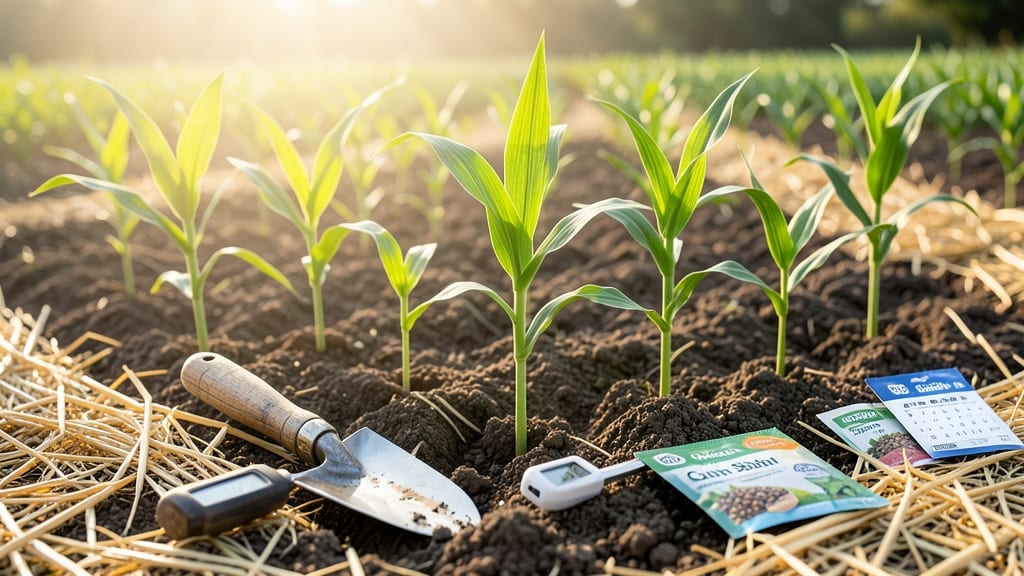
Planting a garden in Iowa at the right time means the difference between a bumper crop and a wasted season—and getting the timing wrong is easier than you think.
Iowa’s frost dates shift 10 days or more from year to year, leaving gardeners guessing whether to plant peas in April or wait until May. Too early, and a late freeze can turn your seedlings into sad, crispy snacks.
Too late, and you’ll miss the window for tomatoes and zucchini altogether.
This guide breaks down the exact frost-free planting schedule for Iowa’s five growing zones, from Zone 4a’s chilly north to Zone 5a’s warmer south. Whether you’re sowing cold-hardy spinach in March or heat-loving peppers in June, you’ll know when to put seeds in the soil—and when to hold off.
You’ll also discover how to adjust for Iowa’s unpredictable weather, from using row covers to extending your harvest window. By the end, you’ll have a customized planting calendar tailored to your corner of the state, so you can grow more with less guesswork.
Iowa’s frost-free planting zones: exact dates by USDA Zone
Iowa spans USDA Zones 4a to 5a, meaning frost dates vary dramatically from north to south. In Zone 4a (northwest Iowa), average last frost arrives around May 15, while Zone 5a (southeast Iowa) typically warms up by April 25.
These dates are critical for cold-sensitive plants like tomatoes and peppers, which can’t survive even light freezes.
Historical data shows 5-7 year variations in frost dates—some years, northern Iowa may see frost as late as June 1, while southern areas might experience early freezes by October 10.
Urban areas often warm 1-2 weeks earlier than rural zones due to the heat island effect from pavement and buildings.
For cold-hardy crops like spinach and peas, you can start seeds indoors 6-8 weeks before your last frost date. Tender annuals such as basil and cucumbers should wait until 2 weeks after the last frost, when soil temperatures consistently stay above 50°F (10°C).
| USDA Zone | Avg. Last Frost | Avg. First Frost | Cold-Hardy Crops | Tender Plants |
|---|---|---|---|---|
| Zone 4a (NW) | May 15 | Oct 5 | Peas, spinach, kale | Tomatoes (late May) |
| Zone 4b (Central) | May 1 | Oct 10 | Broccoli, cabbage, lettuce | Peppers (early June) |
| Zone 5a (NE) | April 25 | Oct 15 | Onions, garlic, radishes | Eggplant (late May) |
| Urban Adjustment | 1-2 weeks earlier | 1-2 weeks later | All hardy crops | Direct sow 7-10 days sooner |
In Zone 4a, where winters are harshest, focus on early-maturing varieties of vegetables like bush beans (50-60 days) and zucchini (45-55 days). These give you a harvest before first frost in early October.
Meanwhile, Zone 5a gardeners can experiment with longer-season crops like sweet corn (90+ days) and cantaloupes (80 days).
Use row covers or cold frames to extend your growing season by 2-3 weeks in northern zones. For example, planting cabbage under row covers in early April (Zone 4a) can yield a harvest by July, beating the first frost by months.
In southern zones, focus on succession planting to replace early crops like lettuce with heat-tolerant options like swiss chard or amaranth.
Monitor local weather forecasts closely in April and May, as late frosts can occur even after average dates. If a 32°F (0°C) freeze is predicted, protect tender seedlings with frost cloth or move potted plants indoors.
Urban gardeners should also watch for microclimate pockets—south-facing walls or paved areas may warm up faster than open fields.
For perennials like asparagus and rhubarb, plant crowns in early spring (March-April) when soil is workable. These plants establish roots slowly and benefit from 6-8 weeks of frost-free growth before winter.
In contrast, annual flowers like marigolds and zinnias can handle light frosts and often bloom by June 1 across all zones.
Adjust your planting schedule based on soil temperature, not just air temperature. Use a soil thermometer to confirm 50°F (10°C) for warm-season crops like tomatoes and 40°F (4°C) for cool-season crops like carrots. In Zone 4a, soil may lag behind air temperatures by 1
Best planting schedule for Iowa’s top 10 vegetables and herbs
Iowa’s growing season is short but productive—if you plant at the right time. The key is balancing cold-hardy crops like peas and spinach with heat-loving varieties such as okra and sweet potatoes.
For Iowa’s USDA Zones 4a-5a, timing varies by 1-2 weeks from north to south, so adjust based on your location.
Start with cool-season crops in early spring (March-April) and transition to warm-season plants after the last frost (typically May 10-20). Succession planting—sowing seeds every 2-3 weeks—ensures a continuous harvest of lettuce, beans, and carrots throughout the summer.
Here’s your month-by-month planting calendar for Iowa’s top 10 high-yield crops, including heat-tolerant picks to stretch your season:
- 🌱 March-April: Plant cold-hardy crops like peas, spinach, and lettuce. Use row covers for extra protection.
- 🌿 Late April-Early May: Sow carrots, radishes, and onions after soil warms to 50°F+.
- ☀️ May 10-20 (after last frost): Start tomatoes, peppers, and basil. Transplant seedlings for faster growth.
- 🌻 June-July: Plant beans, cucumbers, and okra. Succession-sow lettuce every 2 weeks for fall harvests.
- 🍠 Late July-August: Try sweet potatoes and southern peas for heat-tolerant late-season harvests.
For succession planting, focus on lettuce, beans, and carrots. Sow lettuce every 2 weeks from May to July for a continuous harvest. Beans and carrots thrive in warm soil but can handle light frosts—ideal for staggered plantings.
Heat-tolerant varieties like okra and sweet potatoes are game-changers for Iowa’s shorter season. Plant okra in late May after soil reaches 70°F+, and sweet potatoes in early June for a fall harvest. These crops push your garden’s limits, giving you harvests when other plants fade.
Pro tip: Use mulch to retain soil warmth for late-season crops. A 2-3 inch layer of straw keeps roots cool and moist, extending the growing window for tomatoes and peppers by 2-3 weeks. Monitor your garden daily—adjusting for Iowa’s unpredictable weather is the secret to a bountiful harvest.