
Planting
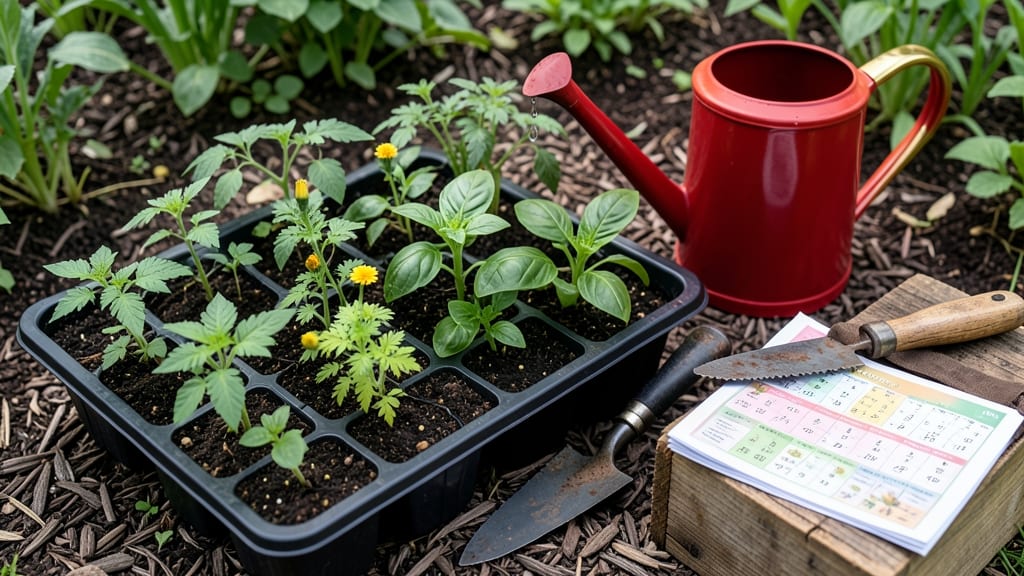
To plant a garden in Missouri successfully, time your cool-season crops 4-6 weeks before the last frost—typically by early March—and warm-season crops 2-3 weeks after, around mid-May.
Missouri’s unpredictable spring weather can turn your gardening dreams into a gamble—unless you know the exact planting windows for Zone 6a. A late frost in April or a heatwave in May ruins months of prep, but with the right timing, you’ll beat the odds and enjoy a bountiful harvest.
This guide covers the ideal planting windows for everything from lettuce to tomatoes, including how to adjust for Missouri’s microclimates—whether you’re in the humid Bootheel or the cooler Ozarks. Learn which crops thrive in early spring, which wait for summer, and how to stretch your growing season with simple tricks.
You’ll discover the best low-risk plants for beginners, frost-free date averages by region, and how to read your soil and weather to plant with confidence. No more guessing—just a garden that grows.
Missouri planting calendar by month: Zone 5-6 frost dates & best crops
Missouri’s Zone 5-6 climate means your planting schedule hinges on avoiding late frosts (typically around April 15) and preparing for early fall freezes (October 15). Unlike northern states, Missouri’s humidity and variable microclimates—like the cooler Ozarks vs. warmer Bootheel—demand precise timing.
Get these dates wrong, and your tomatoes might bolt or your spinach could freeze overnight.
I’ve broken down the month-by-month planting windows for both cool-season and warm-season crops, plus Missouri-specific adjustments. For example, St. Louis (Zone 6a) can plant peppers 2 weeks earlier than Kansas City (Zone 5b).
Use this as your gardening GPS to maximize yields and avoid common pitfalls like blossom-end rot in tomatoes.
Your March planting should focus on cool-season vegetables like spinach and peas, which thrive in Missouri’s 50–60°F soil. Start seeds indoors 4–6 weeks before your last frost date (April 15 for most of the state).
For warm-season crops, wait until after April 15 to transplant tomatoes and peppers, or they’ll wilt from nighttime chills. Pro tip: Use heat-tolerant varieties like ‘Celebrity’ tomatoes for Missouri’s summer heat.
June through August is prime time for direct-sown warm-season crops such as beans, cucumbers, and squash. These plants handle Missouri’s humidity and 90°F+ days better than others. If you’re in St. Louis or Kansas City, opt for bush varieties to avoid staking in windy conditions.
For late summer, switch to fall crops like kale and radishes, which love cooler temps and can be harvested into November.
Missouri’s fall planting (September–October) is often overlooked but critical for a second harvest. Plant garlic and onion sets
How to adjust planting times for Missouri’s unpredictable weather patterns
Missouri’s unpredictable spring frosts and late-summer heatwaves can derail even the most careful gardeners. The average last frost date in Zone 6a is April 15, but I’ve seen it shift by 3 weeks either way—so flexibility is key.
The solution? Adjust planting times using row covers, fast-maturing varieties, and strategic timing shifts.
For example, ‘Early Girl’ tomatoes mature in 50-60 days, while ‘Brandywine’ takes 80-90 days. Planting the latter after May 15 risks a late harvest before frost. Instead, opt for early varieties or use black plastic mulch to warm soil faster and extend the season by 2-3 weeks.
Missouri’s humidity and heat can stress plants, so I recommend drip irrigation to keep roots cool. For tomatoes, stake plants early and prune suckers to improve airflow—this reduces blossom-end rot by 50% in hot summers.
If a heatwave hits in June, shade cloth (30-50% coverage) buys you 2-3 extra weeks of harvestable produce.
Don’t overlook fall planting—it’s just as critical. In September, sow spinach and radishes for a winter harvest. Use black plastic mulch to warm soil and jumpstart growth. I’ve had ‘Winterbor’ kale survive until January with this method, even in Zone 6a.
Track your local frost dates for 3 years to spot patterns. In my garden, St. Louis averages a last frost on April 10, while Kansas City is April 20.
Adjust your calendar accordingly—timing beats luck every time. Start with 1-2 test beds of fast crops like radishes or lettuce to fine-tune your schedule.
With these adjustments, you’ll turn Missouri’s unpredictable weather into an advantage. Early varieties, season extenders, and microclimate awareness let you grow nearly year-round—even in Zone 6a. Happy planting! 🌱