
Planting
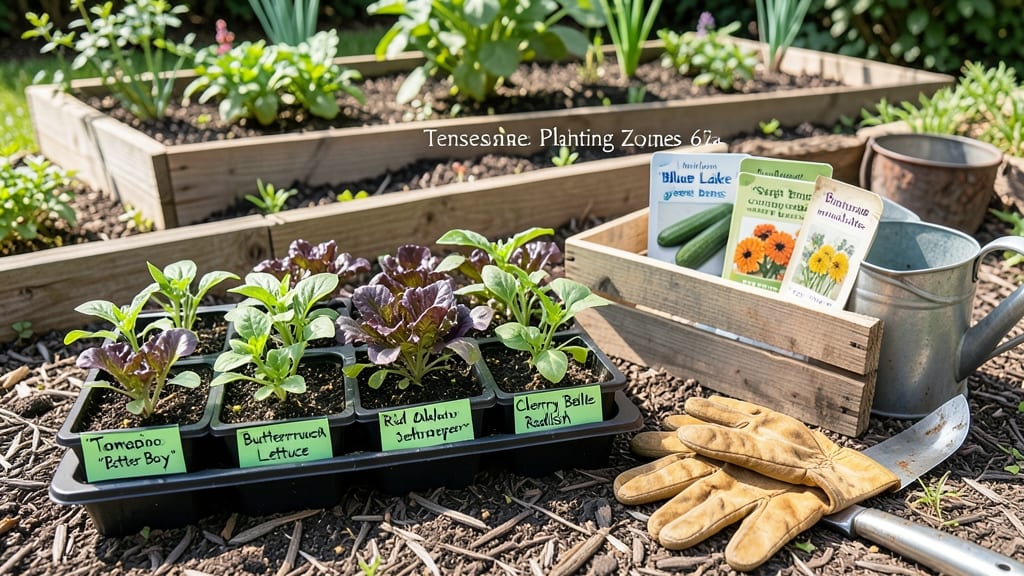
Planting a garden in Tennessee means timing is everything—spring seeds should hit the soil between mid-March and April to avoid frost, while fall crops like spinach can go in as late as September.
Tennessee’s diverse climate—from humid subtropical to highland regions—means planting times vary dramatically by zone, and getting it wrong can mean stunted growth or total crop failure.
Cool-season crops like lettuce and peas thrive when planted 4-6 weeks before the last frost, while tomatoes and peppers need warm soil, so wait until after May 1 in most areas.
Below, I’ll break down the exact months for your zone, plus pro tips to stretch your growing season naturally—no guesswork, just peak harvests.
Tennessee planting zones: when to start seeds and transplant vegetables
Tennessee spans USDA hardiness zones 6a through 8a, creating a patchwork of planting opportunities. In zone 6a (eastern highlands), frost lingers until mid-April, while zone 8a (Memphis area) enjoys frost-free soil by early March.
These differences mean your tomato seeds might go in March in Memphis but wait until April in Knoxville.
Understanding your last spring frost date is critical—it’s the moment when cool-season crops like lettuce and peas can safely move outdoors. Meanwhile, warm-season crops like peppers and cucumbers need soil temperatures above 60°F (15°C) before transplanting, which typically happens 2-4 weeks after that final frost.
I’ve broken down the key planting windows by zone below, so you can align your garden calendar with Tennessee’s climate quirks. Pro tip: Use row covers to extend early spring plantings by 2-3 weeks in cooler zones.
| USDA Zone | Avg. Last Frost | Cool-Season Start Seeds | Cool-Season Transplant | Warm-Season Start Seeds | Warm-Season Transplant |
|---|---|---|---|---|---|
| 6a (e.g., Bristol) | Mid-April | Indoors: Feb 15 | Outdoors: April 20 | Indoors: March 1 | Outdoors: May 10 |
| 6b (e.g., Knoxville) | Early April | Indoors: Feb 1 | Outdoors: April 10 | Indoors: Feb 28 | Outdoors: April 25 |
| 7a (e.g., Nashville) | Late March | Indoors: Jan 15 | Outdoors: March 25 | Indoors: Feb 15 | Outdoors: April 1 |
| 7b (e.g., Chattanooga) | Mid-March | Indoors: Jan 1 | Outdoors: March 10 | Indoors: Feb 1 | Outdoors: March 20 |
| 8a (e.g., Memphis) | Early March | Indoors: Dec 15 | Outdoors: Feb 28 | Indoors: Jan 1 | Outdoors: March 1 |
*Dates are averages—check local Almanac for precise frost forecasts each year.
For cool-season crops like broccoli and spinach, I recommend starting seeds 6-8 weeks before your last frost date. In zone 6a, that means February 15 for indoor starts, while zone 8a gardeners can begin as early as December 15.
These early starts give seedlings a head start before transplanting outdoors.
Warm-season crops like tomatoes and peppers need warmth to thrive. I start these seeds indoors 4-6 weeks before the last frost, but only transplant them when soil temperatures hit 60°F+. In zone 7a, that’s typically April 1, while zone 6a waits until May 10.
Don’t forget about fall planting! Many Tennessee gardeners overlook the late summer
Best months to plant specific vegetables in Tennessee’s climate
Tennessee’s microclimates create unique growing windows—what works in Nashville’s Zone 7a might flop in Chattanooga’s cooler Zone 6b. For example, tomatoes thrive when planted after May 1 in most areas, but highland regions like Great Smoky Mountains should wait until mid-May.
Cool-season crops like kale and spinach can go in as early as March in southern zones (7a-8a), while northern areas (6a-6b) should wait until April. Warm-season favorites like squash and beans need soil temperatures above 60°F, typically June in most regions.
Plant lettuce, peas, and spinach 4-6 weeks before last frost (typically mid-April). Southern zones (7a+) can start as early as February under row covers.
Transplant tomatoes, peppers, and eggplants after soil warms to 60°F+. Use black plastic mulch in cooler zones (6a) to speed warming.
Sow beans, squash, and cucumbers directly into warm soil. In Nashville, wait until late May for heat-tolerant varieties like ‘Black Beauty’ eggplant.
Plant kale, broccoli, and carrots for fall harvests. Southern zones (7a+) can extend into October with row covers.
Adjust for elevation: Mountain regions (e.g., Sevierville) have shorter seasons. Plant cold-hardy greens like ‘Winterbor’ kale in late summer for winter harvests, while lowland areas (e.g., Memphis) can grow sweet potatoes until October.
Pro tip: Use a soil thermometer—warm-season crops need 60°F+ soil, while cool-season crops thrive at 40-50°F. In Chattanooga’s Zone 6b, wait until May 15 for tomatoes to avoid blossom-end rot.
Don’t overlook herbs: Basil and cilantro prefer cooler weather. Plant basil in April-May for summer harvests, while cilantro bolts in heat—sow it in September for fall crops.