
Planting
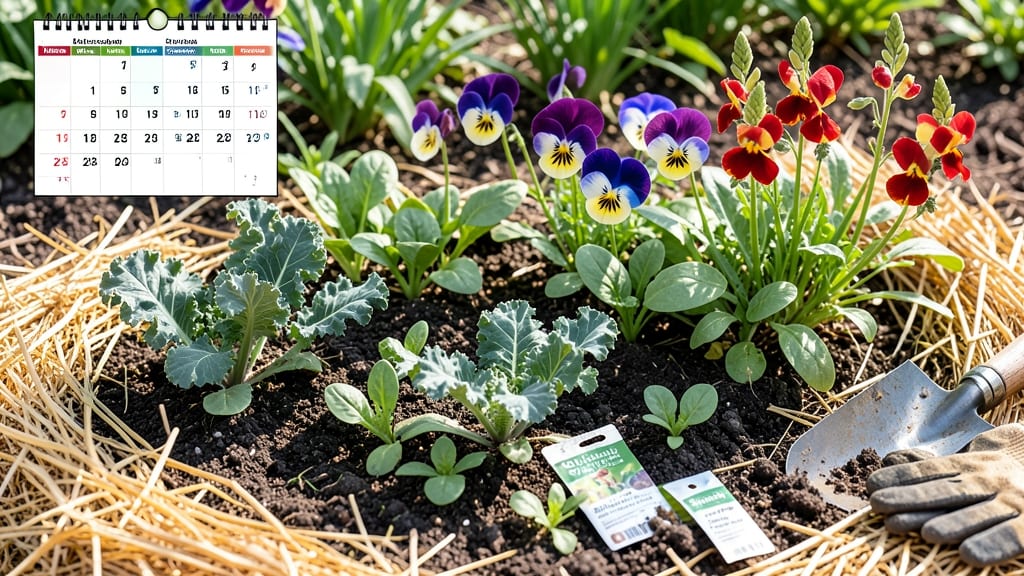
Planting a garden in Upstate NY at the right time can mean the difference between a bumper crop and a sad pile of frozen seedlings 🌱—and the key is knowing when to start.
Upstate NY’s unpredictable frost dates can turn a gardener’s excitement into frustration—plant too early, and your seedlings freeze; too late, and pests take over. But with the right timing, you can grow a thriving garden year after year.
Whether you’re sowing cool-season crops like spinach in early spring or warm-season favorites like tomatoes after the last frost, the USDA Zones 5b-6a climate means precision matters. Miss the window, and you’re fighting Mother Nature instead of working with her.
Below, I break down the exact planting schedule for Upstate NY, including frost-date adjustments, soil prep tips, and the best varieties for your region—so you can finally get it right.
Upstate NY planting calendar by last frost dates (zones 5-6)
Upstate NY’s frost dates vary dramatically between regions—Albany’s last frost typically arrives by April 20, while the Adirondacks may linger until May 10. These differences mean your Syracuse garden might be ready for tomatoes weeks before Buffalo’s.
To simplify, I’ve broken down planting windows by cool-season and warm-season crops, adjusted for elevation and microclimates like sheltered valleys or urban heat islands.
Cool-season crops like spinach and kale thrive when soil temps hit 40°F, while warm-season favorites such as tomatoes and peppers need 60°F+ soil. In Upstate NY, this means starting seeds indoors in March for early crops, but direct-sowing radishes as soon as the ground thaws.
Below, I’ve mapped out the ideal planting windows for your region, plus adjustments for high-elevation areas like Lake Placid.
Pro Tip: Use a soil thermometer to confirm readiness—cool, wet springs can delay planting even after frost dates pass. For example, potatoes planted in cold soil may rot, while beans need warm soil to germinate.
| Region | Last Frost Date | Cool-Season Planting Window | Warm-Season Planting Window | Fall Planting Window |
|---|---|---|---|---|
| Albany (Zone 6a) | April 15–25 | March 15–April 15 (indoors); April 1–May 10 (outdoors) | May 15–June 1 (after soil warms) | August 1–September 15 |
| Syracuse (Zone 5b) | April 20–May 5 | March 20–April 20 (indoors); April 10–May 15 (outdoors) | May 20–June 5 | July 20–September 10 |
| Buffalo (Zone 6a) | April 25–May 10 | March 25–April 25 (indoors); April 15–May 15 (outdoors) | May 20–June 10 | August 10–September 20 |
| Adirondacks (Zone 5a) | May 5–15 | April 1–May 1 (indoors); May 1–June 1 (outdoors) | June 1–15 | July 25–August 30 |
| 🌱 Notes: Adjust for microclimates (e.g., urban areas warm faster). Use row covers for earlier cool-season starts. | ||||
For elevation adjustments, subtract 1–2 weeks for every 1,000 feet above sea level. For example, if you’re gardening in Lake Placid (2,000 ft), shift your planting dates back by 2–4 weeks compared to Albany.
Conversely, urban heat islands (like Syracuse’s downtown) can push warm-season crops 1–2 weeks earlier.
Cool-season crops like lettuce, carrots, and peas can handle light frosts, but avoid planting spinach or kale until 2 weeks before your last frost date. In Zone 5b, that’s typically April 10 for Syracuse, but wait until May 1 in the Adirondacks.
Warm-season crops like tomatoes and peppers need consistent warmth, so don’t rush—soil temps below 55°F will stall germination.
My fall planting strategy focuses on cool-season crops again, starting 8–10 weeks before the first frost. For Albany (Zone 6a), that’s August 1–15 for broccoli and cabbage. Use row covers to extend harvests into October, especially for kale and spinach, which sweeten after frost.
In Buffalo, aim for August 10–20 to avoid early frosts cutting your season short.
If you’re new to Upstate NY gardening, succession planting is your best friend. For example, sow radishes every 2 weeks from April to August for a continuous harvest. Similarly, bush beans and zucchini benefit from staggered plant
How to extend your Upstate NY growing season for early/late planting
Upstate NY’s short growing season doesn’t have to limit your harvests. With the right strategies, you can push your planting windows by weeks—even months—giving you earlier spring crops and later fall harvests. The trick? Combining season-extending tools with smart planting timing tailored to Upstate NY’s USDA Zones 5b-6a climate.
For example, spinach and peas can thrive under row covers weeks before the last frost, while tomatoes and peppers benefit from cold frames in late summer.
I’ve tested these methods in my own garden near Syracuse, and the results speak for themselves: longer harvests and hardier plants that withstand Upstate NY’s unpredictable swings.
A few key tactics make all the difference. Start by calculating your frost-free days—Upstate NY averages 160 days—then layer in succession planting, heat-tolerant varieties, and protective coverings. Below are my top strategies, ranked by effectiveness for Upstate NY’s climate.
- Cold Frames: Add 4-6 weeks to your season. Use for late-summer tomatoes or early-spring lettuce. Place on south-facing slopes to maximize sunlight.
- Row Covers: Protect cool-season crops like kale and radishes from light frosts (down to 20°F). Remove during pollination for tomatoes and peppers.
- Succession Planting: Sow fast-growing crops like bush beans or carrots every 2-3 weeks from May to July. Example: Plant spinach in early April, again in late August for fall harvests.
- Heat-Tolerant Varieties: Choose ‘Heatmaster’ tomatoes or ‘Black Seeded Simpson’ lettuce, which thrive in Upstate NY’s 85°F+ temperatures. Start seeds indoors 8-10 weeks before last frost.
- Hoop Houses: Extend season by 8-10 weeks. Ideal for winter greens like spinach and arugula. Use clear plastic and vent on warm days to prevent overheating.
Timing is everything when it comes to indoor vs. outdoor planting. For cool-season crops like spinach or peas, start seeds indoors 4-6 weeks before your last frost date (typically mid-April in Upstate NY). Transplant outdoors when soil reaches 40°F—use a soil thermometer to avoid guesswork.
Warm-season crops like tomatoes and peppers need a head start. Begin seeds indoors 8-10 weeks before last frost (so mid-February for Upstate NY). Harden off seedlings for 1-2 weeks before transplanting after May 15, when soil temps hit 55°F.
Pro tip: Use black plastic mulch to warm soil faster.
Don’t overlook fall planting—it’s your secret weapon for a second harvest. Direct-sow cool-season crops like kale and radishes in late July to early August, using row covers to protect from early frosts. For overwintering crops like garlic or onions, plant in October for a spring harvest.
My biggest lesson? Start small with one or two tactics—like row covers for spring spinach or a cold frame for late tomatoesshort seasons into bountiful harvests 🌿.