
Planting
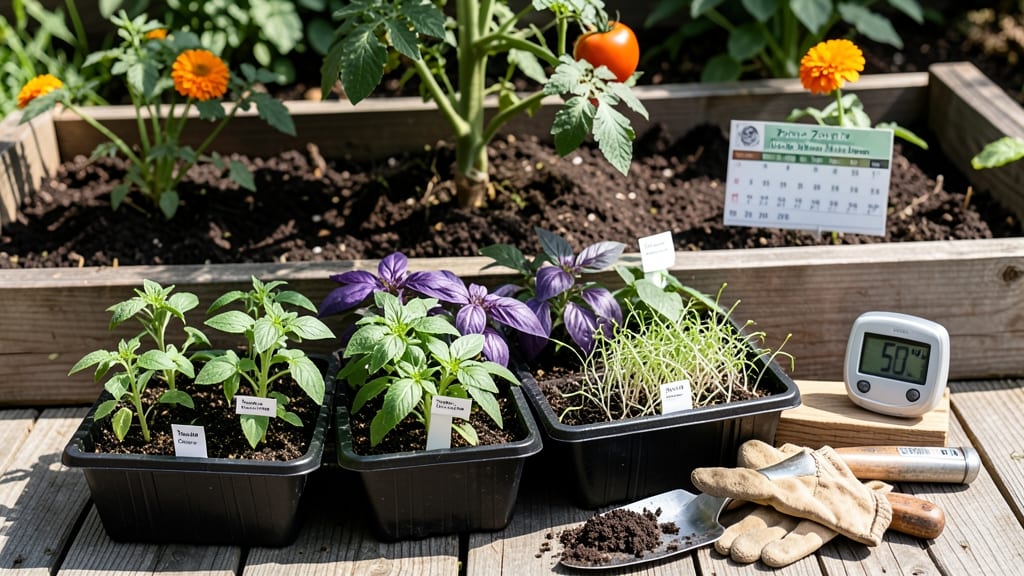
Planting your garden in Zone 7 at the right time means the difference between a thriving harvest and a sad, frost-nipped disappointment.
Zone 7 gardeners face a delicate balance—plant too early and risk frost damage, too late and your heat-loving crops bolt before harvest. Timing is everything, but mastering these seasonal cues can transform your garden from hit-or-miss to consistently bountiful.
Cool-season plants like kale and peas love the spring soil, while tomatoes and peppers need to wait until after the last frost—usually around March 15—to avoid stunted growth. Meanwhile, fall plantings can stretch your harvests well into November if you time it right.
Below, I’ll break down the exact windows for everything from frost-hardy greens to sun-loving veggies, plus how to adjust for your local microclimate—whether you’re in Richmond’s milder pockets or Asheville’s cooler valleys.

Zone 7 planting calendar: cold-hardy vegetables and flowers timing
Mastering the Zone 7 planting calendar means knowing when to sow frost-tolerant crops like kale, peas, and broccoli—each thrives in the 15-25°F winters of this region. Unlike warmer zones, Zone 7 offers a longer growing window, but timing is critical to avoid frost damage or wasted seed.
My garden in Richmond gets last frost dates around mid-March, while Asheville holds onto frost until late April—a key difference for gardeners in this zone.
Start by focusing on cool-season vegetables like spinach and lettuce in early spring, while perennials like lavender and daylilies can be planted in fall or early spring for year-round color.
The key is balancing soil temperature (ideal: 40-70°F) with air temperature trends. For example, peas and broccoli can handle 30°F nights, while cabbage needs 50°F+ to thrive.
Here’s your Zone 7 planting guide broken down by month, with adjustments for microclimates like valleys (colder) vs. slopes (warmer). Use this as your roadmap to avoid common mistakes like planting tomatoes too early or missing the fall planting window for garlic.
| Month | Cold-Hardy Vegetables | Flowers & Perennials | Key Notes | |||||||||||||||||||
|---|---|---|---|---|---|---|---|---|---|---|---|---|---|---|---|---|---|---|---|---|---|---|
| February | Peas, Spinach, Lettuce (start indoors) | Pansies, Sweet Alyssum, Calendula | Direct sow peas; protect with row covers if frost threatens. | |||||||||||||||||||
| March | Broccoli, Kale, Cabbage, Carrots (direct sow) | Snapdragons, Violas, Primrose | Wait until soil reaches 40°F; Asheville: wait until mid-April. | |||||||||||||||||||
| April | Radishes, Beets, Swiss Chard (succession plant) | Dahlias (tubers indoors), Lavender (transplant) | Harden off seedlings; mulch to retain moisture. | |||||||||||||||||||
| May | Green Onions, Bush Beans (after last frost) | Marigolds, Zinnias, Sunflowers | Richmond: last frost March 15; Asheville: April 15. | |||||||||||||||||||
| June-August | None (focus on warm-season crops) | Cosmos, Black-Eyed Susans, Coneflowers | Water deeply; mulch to prevent soil crusting. | |||||||||||||||||||
| September | Kale, Spinach, Radishes (fall crop) | Asters, Chrysanthemums, Goldenrod | Plant 4-6 weeks before first frost (Nov 15). | |||||||||||||||||||
| October | Garlic, Onions, Peas (hardy varieties) |
Heat-loving plants in Zone 7: when to start seeds indoors vs. direct-sowZone 7’s 75-90°F summers are perfect for growing tomatoes, peppers, and basil, but timing is critical. Start too late, and these heat-lovers will bolt prematurely before producing fruit. Start too early, and they’ll become leggy and weak. The key is balancing indoor seed-starting with outdoor soil temperatures of at least 60°F. Most Zone 7 gardeners begin indoor seed-starting in early March for tomatoes and peppers, while basil—being a finicky annual—does best when direct-sown after the last frost. Understanding these differences can mean the difference between a bountiful harvest and a disappointing one.
For tomatoes, I recommend starting seeds indoors 6-8 weeks before the last frost date in your area. This gives them enough time to develop strong roots and a sturdy stem before transplanting. Use a grow light to prevent leggy seedlings, and harden them off for a week before moving them outside. Peppers, on the other hand, are slower to germinate and need warmer soil to thrive. Start them indoors in mid-March and transplant after the soil has warmed to at least 65°F. If you rush this process, peppers will struggle to establish roots and may bolt before producing fruit. Basil is the exception to indoor seed-starting in Zone 7. It’s frost-sensitive and doesn’t transplant well, so I always direct-sow it after the last frost, typically in mid-May. Choose a sunny, sheltered spot to protect it from late frosts and harsh winds. Once your seedlings are ready for the garden, monitor soil temperatures closely. Use a soil thermometer to ensure they’re at least 60°F for tomatoes and peppers. If temperatures dip below this, delay transplanting or use row covers to protect them until the soil warms up. Remember, bolting is the biggest enemy of heat-loving plants in Zone 7. To avoid it, keep seedlings well-watered and mulch around the base to maintain even soil temperatures. With the right timing and care, you’ll be enjoying homegrown tomatoes, peppers, and basil all summer long! 🌱🌿☀️ |