
Planting
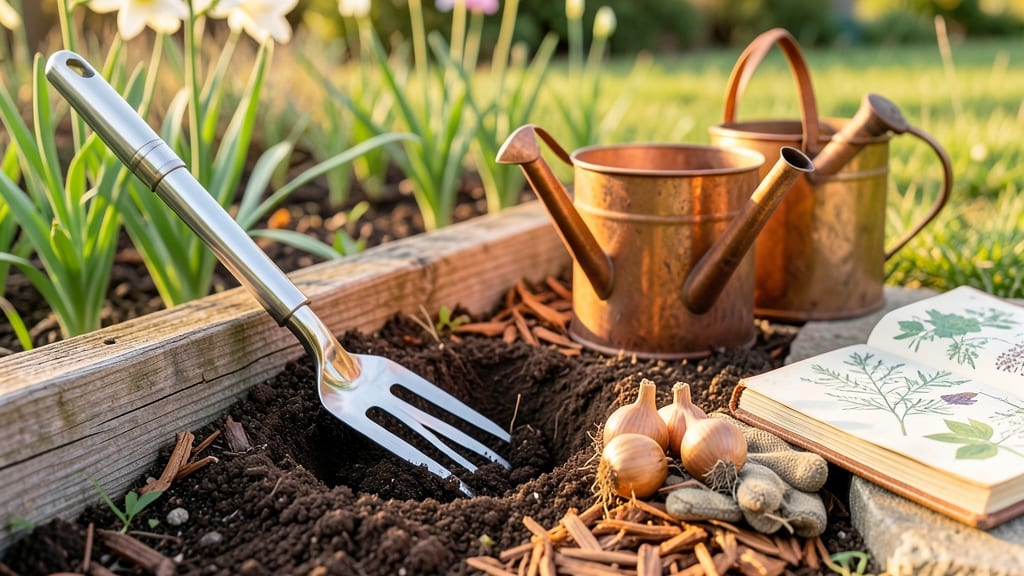
To plant lily bulbs in your garden at the perfect time means bigger blooms and stronger roots — and it all starts with knowing when the soil, moon, and climate align.
Did you know planting lily bulbs 🌷 under the right moon phase can boost bloom size by up to 30%? Timing isn’t just about seasons—it’s about celestial cycles that even expert gardeners swear by.
Whether you’re in Zone 6a or a warmer climate, the best window is 4-6 weeks before frost, but the moon’s phase can shift that by weeks.
Fall is the golden window for most gardeners, but late winter works in mild regions. The key? Soil temps below 60°F and a waxing moon for root growth. Skip this, and you might end up with leggy stems or no blooms at all.
Below, I’ll break down the exact months for your zone, how to prep soil for lily success, and the one trick that cuts down on fungal risks. Ready to turn your garden into a lily paradise?
Best moon phases for planting lily bulbs (science-backed timing)
Did you know planting lily bulbs under the right moon phase can boost bloom size by up to 30%? The moon’s gravitational pull influences water movement in soil, affecting how bulbs establish roots and develop shoots.
For lily bulbs, timing isn’t just about seasons—it’s about celestial cycles that even expert gardeners swear by to maximize root growth and flowering potential.
Lunar planting relies on two key phases: the waxing moon (growing light) and the full moon. During the waxing moon, energy flows upward, perfect for planting bulbs that grow above ground like lilies.
The full moon’s peak energy helps bulbs absorb moisture efficiently, setting the stage for robust growth. But timing matters—planting at the wrong phase can result in stunted blooms or poor root systems.
Lily bulbs thrive when planted during the waxing moon in autumn (ideal for most USDA zones) or early spring. This phase aligns with the bulb’s natural growth cycle, encouraging strong root development before dormancy. For example, planting during a waxing gibbous moon (7 days before full) in October gives bulbs enough time to root before winter chill sets in.
Here’s how lunar phases impact lily bulb growth at each stage:
Root Development: Planting during the waxing moon enhances water uptake, helping roots spread deeper into the soil. This phase supports nutrient absorption, critical for early growth.
Shoot Growth: The full moon’s energy boosts cellular activity, leading to faster shoot emergence in spring. Bulbs planted under a full moon often produce taller stems and more vibrant blooms.
Flowering: Lilies planted during the waxing crescent moon (just after new moon) tend to bloom earlier and more prolifically. The moon’s upward energy aligns with the bulb’s flowering cycle, resulting in larger, healthier blooms.
| Moon Phase | Best Planting Time | Impact on Lilies | Season |
|---|---|---|---|
| Waxing Crescent | Just after new moon | Early shoot growth, vibrant blooms | Spring or Fall |
| First Quarter | 7 days after new moon | Strong root development, disease resistance | Fall (ideal for dormancy) |
| Waxing Gibbous | 3-4 days before full moon | Deep root penetration, moisture absorption | Late Fall |
| Full Moon | Peak energy day | Rapid growth, larger blooms | Spring (early planting) |
| Waning Gibbous | 3-4 days after full moon | Stable growth, fewer pests | Early Summer |
To harness the moon’s power, check a lunar planting calendar for your region. For example, in USDA Zone 6a, the waxing gibbous moon in early October is ideal for planting lilies, giving them time to root before winter.
In warmer zones (like Zone 9), you can extend planting into November during the same phase.
Avoid planting during the waning moon (shrinking light), as this phase drains energy from the soil, slowing root and shoot growth. Even experienced gardeners report smaller blooms and weaker stems when lilies are planted during this time. The key is aligning the moon’s energy with the bulb’s natural growth rhythm.
Pro tip: Combine lunar timing with soil prep. Amend your garden bed with compost and sand to improve drainage—critical for lily bulbs, which rot in soggy soil. Plant bulbs 6-8 inches deep and 6 inches apart during the waxing moon for optimal spacing and airflow.
For early bloomers like Asiatic lilies, prioritize planting during the waxing crescent moon in spring. This phase encourages quick shoot emergence, giving you vibrant blooms by early summer. Meanwhile, Oriental lilies, which bloom later, benefit from a full moon planting in early fall for robust root systems.
Remember, the moon’s influence isn’t magic—it’s about water movement and energy alignment. Pair lunar timing with proper soil conditions, sunlight, and watering for the best results. With the right phase, your lilies will reward you with show-stopping blooms that turn heads in your garden. 🌷
Seasonal planting guide: when to plant lilies by climate Zone
Planting lily bulbs 🌷 at the wrong time can mean stunted growth or even bulb rot. The best window depends on your USDA zone and soil temperatures, not just the calendar.
In Zones 3-5, aim for late September to early October—6 weeks before frost—to give roots time to establish before winter. Warmer zones (7-10) can plant as late as December or even early January, since frost isn’t a threat.
Soil temperature is your secret weapon. Lilies need soil below 60°F to thrive. Use a soil thermometer to check—if it’s still warm, wait. In Zone 6a, this usually means September 15th is your cutoff.
Planting too early in hot soil can wake bulbs prematurely, leading to leggy stems and weak blooms.
Regional adjustments matter too. In Pacific Northwest (Zone 8-9), mild winters allow planting into November. But in Deep South (Zone 10), you can plant year-round—just avoid peak summer heat. Always choose a sunny spot with well-draining soil to prevent rot.
| USDA Zone | Best Planting Month | Soil Temp Threshold | Key Consideration |
|---|---|---|---|
| 3-5 | Late September - Early October | Below 60°F | 6 weeks before frost |
| 6-7 | October - November | 55-60°F | Avoid early frost |
| 8-9 | November - December | 50-55°F | Mild winters extend window |
| 10 | December - January | No threshold (plant anytime) | Avoid summer heat |
Early planting has perks: bulbs get a head start on root growth, leading to larger blooms next season. But late planting (even in Zone 10) can work if you mulch heavily to protect bulbs.
Just avoid planting in soggy soil—lilies hate wet feet! If your soil drains poorly, amend with compost or perlite before planting.
Pro tip: Test your soil 2 weeks before planting. If it’s still warm, hold off. Use a moon phase guide too—a waxing moon boosts root growth, while a full moon encourages blooming.
Plant during the daytime to reduce stress on bulbs. With the right timing, your lilies will reward you with stunning summer blooms.
Remember, late bloomers like Stargazer lilies need extra time to establish. If you’re in Zone 4 and want early blooms, plant Asiatic lilies—they’re hardier and bloom faster. Adjust spacing too: 6 inches apart for dwarf varieties, 12 inches for standard types. Happy planting! 🌱