
Tools
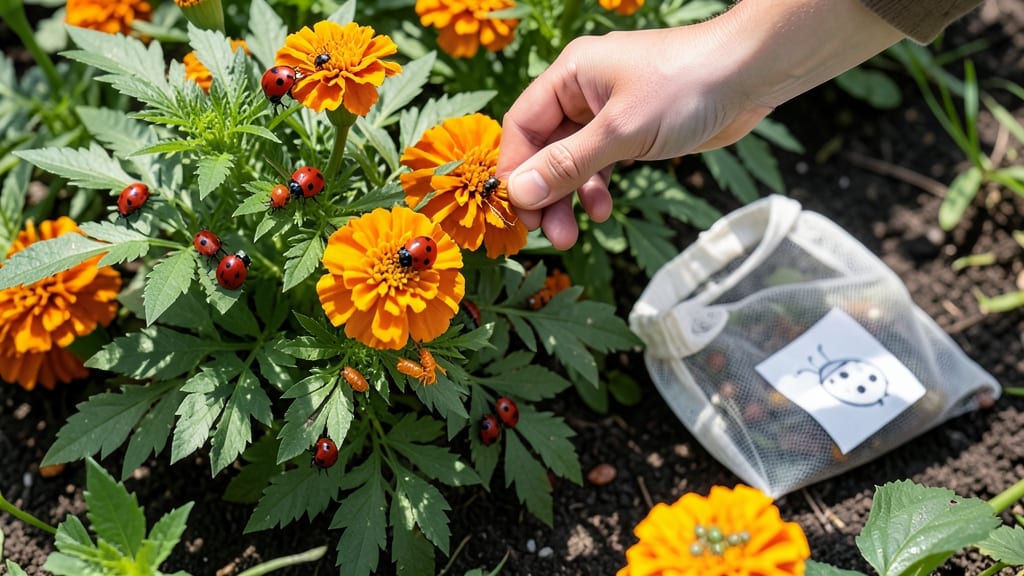
To get ladybugs for your garden, you can find them at local garden centers, nurseries, or through agricultural extension offices during seasonal releases, or order from trusted online suppliers like Live Predators, Garden Safe Supply, or Buglady. For best results, release them in the evening.
Ladybugs are one of nature's best pest-control allies, and finding them shouldn't be complicated. 🔥 Many local garden centers stock them seasonally, especially when aphid populations peak in spring and summer. I recommend calling ahead to confirm availability—some suppliers only offer them during specific months.
Online retailers often provide larger quantities and more variety, including different ladybug species that target particular garden pests.
When choosing suppliers, look for companies that guarantee live delivery and provide clear release instructions. Some even offer temperature-controlled shipping to ensure survival. Whether you're tackling aphids on roses or mealybugs on citrus trees, having ladybugs on hand can dramatically reduce the need for chemical pesticides.
💡 In This Article
- How to Identify Reliable Ladybug Suppliers Near You
- Best Online Ladybug Sources for Garden Pest Control
How to identify reliable ladybug suppliers near you
Finding trustworthy suppliers starts with verifying their certifications and reputation.
Look for companies or local vendors with organic gardening certifications or partnerships with agricultural extension services—these often guarantee high-quality, pesticide-free ladybugs. 🔥 The two most common species you'll encounter are the seven-spotted ladybug (Coccinella septempunctata), which thrives in cooler climates, and the Asian lady beetle (Harmonia axyridis), better suited for warmer regions.
Ask suppliers to specify which species they offer, as some varieties may not be effective against your specific pests.
Seasonal availability is critical—most suppliers release ladybugs between April and October, aligning with peak pest activity. Local garden centers often run out by mid-summer, so plan ahead and call 2-4 weeks in advance to secure your order.
Storage matters too: live ladybugs should arrive in ventilated containers with moisture-retaining materials, like damp sphagnum moss. If you're storing them before release, keep containers in a cool (50-60°F), dark place and avoid direct sunlight, which can stress the beetles.
What sets reliable suppliers apart is their transparency about handling practices.
Reputable vendors will provide detailed release instructions—typically advising you to release ladybugs in the late afternoon or evening when temperatures are below 85°F and predators like birds are less active. 💫 They should also specify whether they offer adult ladybugs, pupae, or eggs, as each has different release requirements.
For example, eggs require a food source (like aphids) within 24 hours of hatching, while adults can survive longer without immediate feeding.
Don't overlook customer reviews as a verification tool. Check platforms like Google, Trustpilot, or gardening forums for feedback on delivery survival rates—some suppliers may guarantee 90%+ live arrival, while others have mixed reviews.
I've seen cases where ladybugs arrived dehydrated due to improper packaging, so prioritize suppliers with clear shipping policies, including temperature-controlled options for long-distance orders.
One nuance to watch for is the difference between native ladybug species and invasive ones like the Asian lady beetle. While the latter is more aggressive at pest control, it can also become a nuisance indoors during winter.
Native species, like the twelve-spotted lady beetle, are better for ecological balance but may require more frequent releases. Always confirm the species before purchasing, especially if you're in a region with established invasive populations.
For local options, agricultural extension offices often maintain lists of approved suppliers in your state. They can also provide guidance on quantity needs per acre—typically 5,000-10,000 ladybugs per acre for general pest control, though heavier infestations may require 20,000+.
If you're unsure, start with a smaller batch to test effectiveness before scaling up.
Finally, consider the timing of your release. Ladybugs are most effective when released during active pest seasons—spring for aphids, summer for soft-bodied insects like whiteflies. If you're dealing with a year-round pest issue, ask suppliers about pupae or eggs, which can be stored longer and released as needed.
This approach gives you more flexibility in managing garden pests throughout the growing season. ✨