
Companion Plants
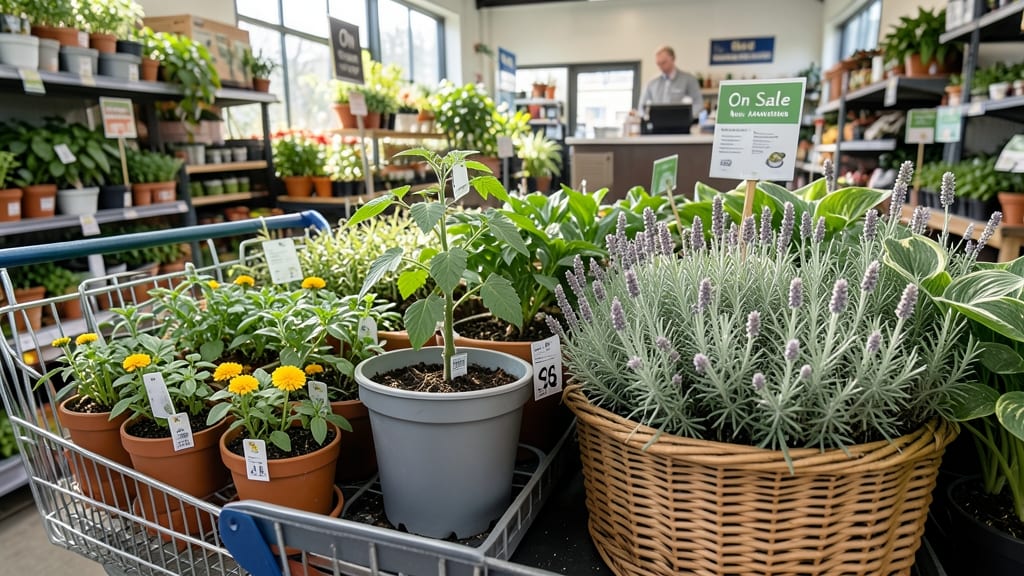
To find where to buy garden plants, prioritize local nurseries for healthy, region-matched varieties and expert advice, while online stores provide rare species and bulk ordering convenience. Always check shipping times, return policies, and seasonal stock before committing.
Local nurseries offer immediate access to plants already adapted to your climate, plus expert guidance on care and placement. 🌱 I've noticed that many specialty nurseries carry heirloom varieties you won't find online, and their staff can help troubleshoot soil or pest issues specific to your garden.
For online purchases, focus on retailers with clear shipping timelines and health guarantees—some plants arrive dehydrated if not packed properly, especially during summer heat.
Don't overlook smaller local options like farmers' markets or community garden groups, which often have lower prices and fresher stock. I always verify online sellers through recent reviews and whether they offer replacement guarantees for damaged plants.
Seasonal sales at local stores can also provide significant savings compared to online bulk pricing.
💡 In This Article
- Local Nursery vs Online Plant Store: Key Differences
- Top Online Plant Retailers and Local Nursery Finder Tools
Local nursery vs online plant store: key differences
Local nurseries offer plants that have already adapted to your specific climate and soil conditions.
This regional acclimation means they'll thrive with less adjustment than plants shipped from distant areas. 🌱 For example, a nursery in Arizona will carry drought-resistant succulents and cacti already hardened against intense sun, while one in the Pacific Northwest might stock shade-tolerant ferns.
The staff can also provide immediate advice on companion planting or pest control tailored to your garden's microclimate.
Online retailers, however, unlock access to rare or specialty plants that may not survive local shipping conditions. Websites like Fast-Growing-Trees.com specialize in shipping large trees and shrubs with protective packaging, while Etsy often features unique heirloom varieties from small-scale growers.
The trade-off? Plants can arrive dehydrated if shipped during extreme heat or cold, especially perennials and woody species. Always check the retailer's shipping policies for seasonal delays—some pause orders during winter months when ground shipping becomes unreliable.
Pricing structures differ dramatically between the two options. Local nurseries typically charge 10-30% more for convenience and immediate availability, but you avoid hidden costs like shipping fees or potential replacement charges.
Online stores often bundle discounts for bulk orders (e.g., 15% off 10+ plants$5-$20 shipping per plant for delicate species. I've found that online prices can be better for rare tropical plants, while local nurseries win on cost for common annuals like marigolds or petunias.
Another critical factor is the ability to inspect plants before purchasing. At a nursery, you can check for pests, root health, and proper hydration—signs of a healthy plant include vibrant leaves without yellowing and firm stems that don't snap easily.
Online stores often provide photos and health guarantees, but some sellers use misleading images of plants at peak condition. Always look for retailers that offer 30-day replacement guarantees for unhealthy or dead-on-arrival plants.
Consider your gardening timeline when choosing. Local nurseries let you plant immediately, which is crucial for warm-season crops like tomatoes or peppers that need to establish roots before summer heat.
Online orders may arrive too late for seasonal planting windows unless you account for 7-14 days shipping plus acclimation time. Some nurseries even offer "plant swaps" where you can exchange varieties if they don't perform as expected in your garden.
For beginners, local nurseries provide invaluable hands-on learning. Staff can demonstrate proper planting techniques, show you how to amend soil, or recommend specific fertilizers for your plants. Online purchases lack this personal touch, though many retailers offer detailed care guides and video tutorials.
The best approach? Start with local nurseries to build foundational knowledge, then supplement with online orders for specialty plants that complement your garden.