
Size
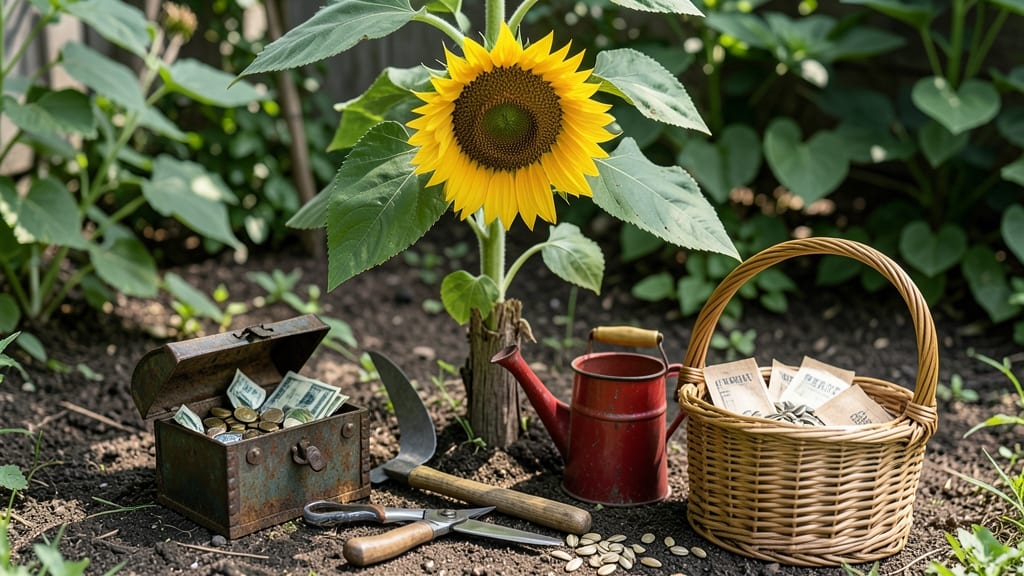
To give people money while growing a garden, focus on ethical monetization strategies like selling fresh produce at farmers' markets, creating subscription-based harvest boxes, or hosting paid garden tours and workshops. Always start with small-scale efforts, follow local regulations, and prioritize community benefit over pure profit.
Monetizing your garden isn't just about selling veggies—it's about building sustainable income streams that align with your values. 🌱 For example, many gardeners start with farmers' markets where they can sell produce directly to customers, often at premium prices for organic or heirloom varieties.
Subscription boxes let you create recurring revenue by offering curated harvests each week, while workshops teach others your skills—turning your passion into a teaching opportunity. The key is balancing profitability with ethical practices, like donating surplus produce to food banks when sales are slow.
One approach I've seen work well is combining multiple revenue streams. A friend of mine sells her excess tomatoes at a local market, offers canning workshops to teach others how to preserve their harvest, and even partners with a nearby restaurant to supply fresh herbs.
This diversification helps cover costs like seeds, tools, and unexpected weather challenges while keeping the garden's primary purpose—feeding people—front and center.
💡 In This Article
- Legal and Ethical Ways to Monetize Home Garden Harvests
- Creative Garden Income Streams Beyond Selling Produce
Legal and ethical ways to monetize home garden harvests
Most cities and states have cottage food laws that allow home gardeners to sell non-perishable foods without a commercial kitchen license. These laws typically permit baked goods, jams, and dried herbs—but fresh produce often requires additional permits.
For example, in California, you can sell fresh produce from your home garden without a permit if it's for direct-to-consumer sales (like farmers' markets), but you must comply with food safety regulations like proper handwashing stations and clean packaging.
Always check your local agricultural extension office for specifics, as rules vary widely—some areas require a $50-$200 permit while others have no restrictions for small-scale sales.
The key to ethical monetization is transparency about sourcing. Customers today value organic, locally grown produce, so labeling your products with details like "grown in my backyard with no synthetic pesticides" builds trust.
Pricing fairly is another ethical cornerstone: research what similar farms charge in your area and avoid gouging. For instance, a single heirloom tomato might sell for $3-$5 at a farmers' market, while a pint of home-canned tomatoes could go for $6-$8.
Donating unsold produce to food banks not only reduces waste but also strengthens your community reputation.
Tax implications often catch gardeners off guard. The IRS considers home garden sales as income, so you'll need to report earnings if they exceed your local threshold (typically $1,000-$2,000/year). Keep meticulous records of expenses like seeds, soil amendments, and equipment—these deductions can offset your taxable income.
For example, if you spend $500 on compost and tools but earn $1,500 from sales, your taxable income drops to $1,000. Many states also require sales tax collection, so set aside 6-8% of earnings for this purpose.
Liability risks are another critical consideration. If someone gets sick from your produce, you could face lawsuits—even with proper food handling. Mitigate this by using food-grade containers, labeling allergens (like "contains nuts" if applicable), and carrying $1 million in liability insurance (often available for under $300/year).
I once spoke with a gardener who sold fresh greens at a market; she avoided issues by washing produce in a 100ppm chlorine solution (the FDA-approved standard) and offering samples only to those who asked.
Ethical pricing extends beyond just the cost of ingredients. Consider your time investment: harvesting, washing, packaging, and transporting produce all take hours.
For example, a 10-pound bag of fresh herbs might cost you $15 in labor time (assuming $15/hour for your effort) plus $5 in materials, so selling it for $40 reflects fair compensation.
Many gardeners use the "cost-plus-20%" method: calculate your total expenses (seeds, water, tools) and add 20% for profit—this ensures sustainability without overcharging.
Documentation is your best friend when scaling up. Maintain a simple ledger tracking:
- Sales revenue: Date, customer, product, and amount
- Expenses: Seeds, soil, containers, market fees ($20-$50 per booth)
- Donations: Pounds of produce given to food banks (great for tax deductions)