
Plants
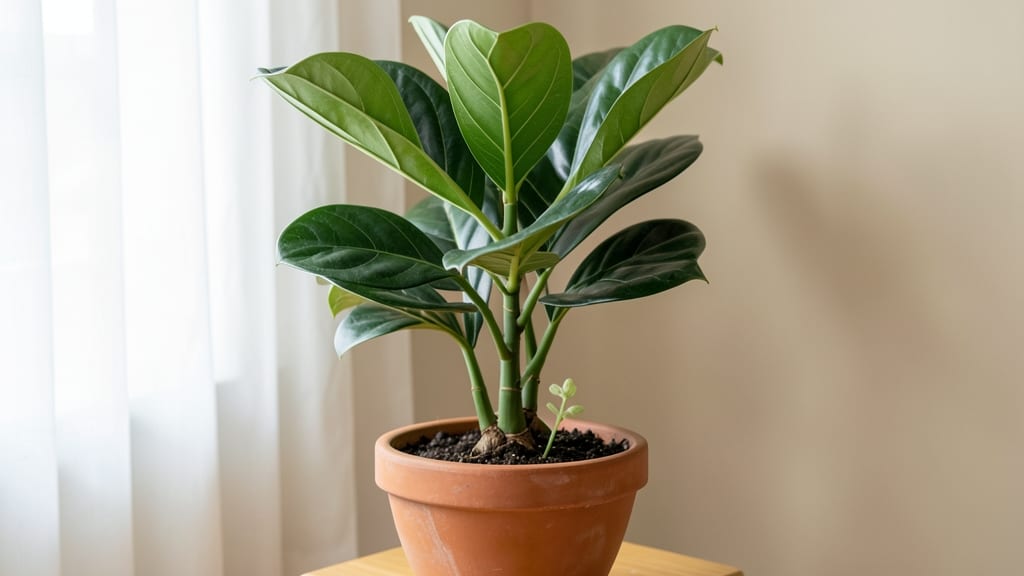
A White House gardener maintains the iconic gardens through precise seasonal planting, native species selection, and eco-conscious methods like water conservation and organic soil care—ensuring the grounds remain vibrant and historically authentic.
Working in the White House gardens means mastering Washington, D.C.'s unique climate challenges, from humid summers to chilly winters. 🌿 The team prioritizes native plants like black-eyed Susans and American holly, which thrive with minimal intervention while preserving the estate's historic charm.
Beyond aesthetics, their approach focuses on sustainability—techniques like drip irrigation and composting from kitchen scraps reduce waste while keeping the soil rich. What sets them apart is their ability to blend tradition with modern gardening science, proving that even the most iconic landscapes can stay lush without harming the environment.
For example, their spring bulb rotations ensure continuous color from March through May, while autumn perennials like coneflowers extend the season. The result? A garden that feels both timeless and cutting-edge—something every gardener can aspire to replicate on a smaller scale.
💡 In This Article
- Seasonal Planting Strategies for White House Gardens
- Sustainable Techniques Used in Presidential Gardens
Seasonal planting strategies for White House gardens
The White House gardening team designs planting schedules around Washington, D.C.'s humid subtropical climate, which features hot summers (85-95°F) and cold winters (25-40°F).
Their strategy begins in early spring with tulip and daffodil bulbs planted in October-November, timed to bloom by April when temperatures stabilize above 50°F. This early start creates visual impact during presidential events and press conferences, where vibrant colors frame historic moments.
Summer planting focuses on drought-tolerant perennials like black-eyed Susans (Rudbeckia hirta) and purple coneflowers (Echinacea purpurea), which require only 1 inch of water per week once established. These plants thrive in the full sun exposure of the South Lawn while supporting local pollinators.
The team also incorporates annual vines like morning glories along trellises, which bloom from June through September, adding vertical interest without competing for root space with established shrubs.
Autumn becomes a critical transition period, where they plant winter-hardy bulbs like crocuses and snowdrops in November to emerge by late winter. These early bloomers break the monochrome winter landscape and signal spring's approach.
Evergreens like American holly (Ilex opaca) and eastern red cedar (Juniperus virginiana) provide year-round structure, their dark green foliage contrasting beautifully with snow-covered grounds during winter events.
What makes their approach unique is the historical plant preservation layer. Many varieties, like the 19th-century rose cultivars in the Rose Garden, require specialized pruning techniques to maintain their original forms while adapting to modern climate patterns.
For example, roses are pruned in late winter (February) when temperatures average 35°F, removing 1/3 of the plant's growth to encourage dense, disease-resistant blooms.
The team also implements a 4-season color rotation system that ensures no month lacks visual interest. Spring features pastel tulips and azaleas, summer showcases bold sunflowers and zinnias, autumn highlights deep red maples and goldenrod, and winter relies on evergreens and berry-producing shrubs.
This deliberate layering creates a continuous visual narrative that aligns with the White House's role as America's symbolic home.
One often-overlooked technique is their microclimate mapping of the grounds. Different sections receive varying sunlight and wind exposure, so planting zones are carefully calibrated.
For instance, the North Lawn gets only 4-5 hours of sunlight daily and features shade-tolerant plants like hostas and ferns, while the South Lawn receives 8+ hours and supports sun-loving perennials. This precision ensures every plant thrives in its specific environment, reducing maintenance while maximizing beauty. 🌸