
Tools
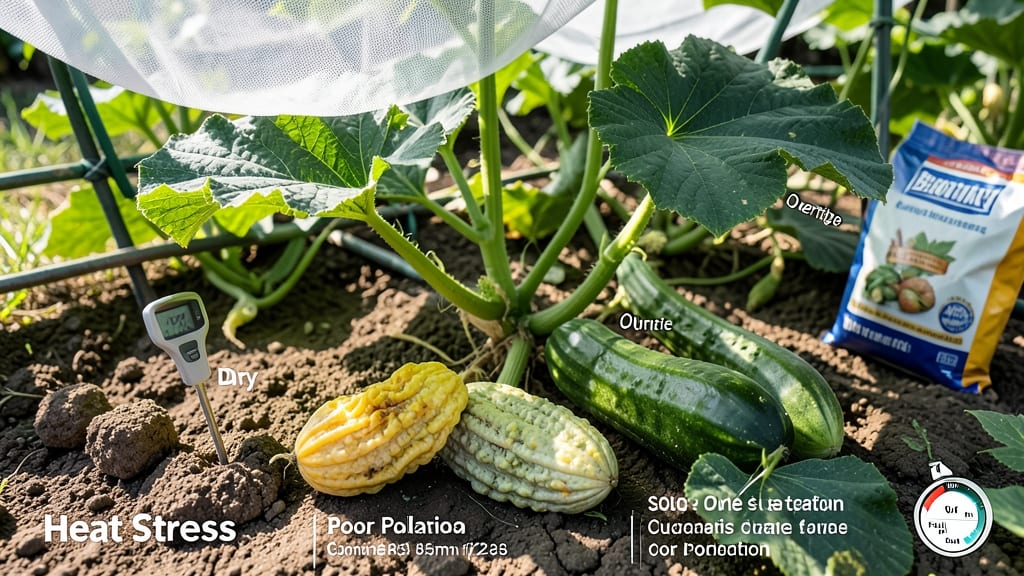
Your garden cucumbers 🥒 might be bitter because of overripeness, stress, or nutrient imbalances—three factors that turn crisp, sweet harvests into tough, unpleasant bites.
Picture this: You’ve been waiting all summer for those homegrown cucumbers, only to slice into one and find a sharp, almost medicinal bitterness. It’s frustrating, especially when you’ve followed all the planting tips. But the good news? This is almost always fixable with a few simple adjustments.
The key lies in understanding what triggers bitterness—whether it’s leaving cucumbers on the vine too long, letting the soil dry out, or missing critical nutrients. Below, I’ll break down the most common causes and share practical fixes to bring back that fresh, crisp flavor you’re craving.
You’ll learn when to harvest for peak sweetness, how to adjust watering and soil care, and even how to prevent future bitterness. Let’s get your cucumbers tasting like the garden-fresh picks you remember!
5 Key reasons your garden cucumbers taste bitter (and how to fix them)
There's nothing worse than slicing into a cucumber you grew yourself, only to be greeted with an unpleasant bitter taste. This common issue frustrates even experienced gardeners, but the good news is that bitterness usually signals fixable growing conditions—not a lost harvest.
Understanding the biological triggers behind this flavor flaw is the first step to reclaiming sweet, crisp cucumbers from your garden.
Cucumbers develop bitterness as a natural defense mechanism when they experience stress. Whether it's overmaturity, environmental extremes, or nutritional deficiencies, your plants are essentially screaming for help through their flavor.
The key to solving this lies in identifying which specific stressor is at play in your garden and addressing it promptly. Let's explore the five most common culprits and how to turn things around.
🌱 5 Key Reasons for Bitter Cucumbers
- 🥒 Overripeness: Cucumbers left on the vine too long convert sugars into cucurbitacin compounds, creating bitterness. Harvest timing is everything!
- ☀️ Excessive Heat: Temperatures above 90°F (32°C) cause stress, triggering bitter compound production. Shade cloth can help!
- 💧 Inconsistent Watering: Drought stress forces plants to produce bitter compounds for survival. Deep, regular watering is critical.
- 🌱 Poor Soil Nutrition: Low nitrogen or phosphorus levels create flavor imbalances. A balanced fertilizer can restore harmony.
- 🌿 Genetic Predisposition: Some varieties naturally produce more bitter compounds. Choose low-cucurbitacin varieties for milder flavor.
Let's tackle each of these issues one by one, starting with the most common culprit: overripeness. Many gardeners assume cucumbers can stay on the vine indefinitely, but this is a recipe for bitterness.
Cucumbers are best harvested when they reach 70-80% of their mature size, typically between 4-8 inches long depending on the variety. For slicing cucumbers, look for a yellow or white blossom end—this indicates peak sweetness before bitterness sets in.
If you've already missed the ideal harvest window, don't despair. You can still salvage some cucumbers by peeling the skin before eating, as most bitter compounds accumulate there. However, for future harvests, set a reminder to check your plants every 2-3 days during peak production.
The more frequently you harvest, the more your plants will produce, and the sweeter each cucumber will be.
Next up is heat stress, which often catches gardeners off guard as summer temperatures rise. Cucumbers are cool-season crops that struggle when daytime temperatures exceed 90°F (32°C). When this happens, your plants ramp up production of cucurbitacins, those bitter-tasting compounds.
To combat this, provide afternoon shade using 30-50% shade cloth, especially during the hottest months. You can also mulch heavily to keep roots cool and water deeply in the morning to reduce evaporation.
Watering issues are another silent saboteur of cucumber flavor. Cucumbers have high water requirements, and inconsistent moisture triggers bitterness as a survival mechanism. The fix? Deep watering at the base of the plant every 2-3 days during dry spells.
Aim for 1-1.5 gallons per plant each time, ensuring water penetrates at least 6 inches deep. Avoid wetting the foliage to prevent fungal diseases, which can further stress your plants and exacerbate bitterness.
Don't overlook the role of soil nutrition in cucumber flavor. A soil deficiency—particularly in nitrogen or phosphorus—can lead to imbalanced growth and bitter-tasting fruit. Before planting, conduct a soil test to check pH and nutrient levels. Cucumbers thrive in slightly acidic to neutral soil (pH 6.0-6.8).
If your test reveals deficiencies, amend the soil with compost or a balanced fertilizer (10-10-10) before planting. During the growing season, apply a light fertilizer every 4-6 weeks to maintain nutrient balance.
Finally, some cucumber varieties are genetically predisposed to bitterness. If you've tried all the fixes above but still struggle with bitter cucumbers, it might be time to switch varieties. Look for low-cucurbitacin varieties like 'Straight Eight,' 'Marketmore,' or 'Diva,' which are bred for milder flavor.
These varieties are less likely to produce bitter compounds even under stress. Additionally, consider container growing for better control over growing conditions if your garden's climate is particularly challenging.
Remember, the key to sweet cucumbers lies in consistency. Monitor your plants regularly for signs of stress—wilting, yellowing leaves, or stunted growth—and address issues promptly. With these fixes in place, you'll be well on your way to harvesting cucumbers that are crisp, sweet, and free of bitterness every time.
Happy gardening! 🌱
Harvest timing secrets: when to pick cucumbers for maximum sweetness
Timing your cucumber harvest is the single most important factor in avoiding bitterness. Unlike many vegetables, cucumbers continue to develop flavor compounds—including those responsible for bitterness—even after reaching their ideal size. The key is to pick them at the perfect window when their sweetness peaks but bitterness hasn't set in.
Most gardeners make the mistake of waiting for cucumbers to reach their maximum size, but this often leads to tough, seedy, and bitter fruit. Instead, focus on visual maturity cues and variety-specific guidelines.
For example, slicing cucumbers should be harvested when they're firm but still tender, while pickling varieties can tolerate slightly larger sizes.
Here's the critical comparison: slicing cucumbers should be picked at 4-6 inches with vibrant color, while pickling cucumbers can wait until 3-4 inches but must be harvested before they turn yellow or develop soft spots. The difference in timing directly impacts flavor and texture.
| Cucumber Type | Ideal Size | Harvest Window | Bitterness Trigger |
|---|---|---|---|
| Slicing (e.g., 'Straight Eight', 'Marketmore') | 4-6 inches | When skin resists gentle pressure | Leaving on vine 2+ days past ideal size |
| Pickling (e.g., 'Boston Pickling', 'Calypso') | 3-4 inches | Before seeds turn black or skin softens | Waiting for yellowing or wrinkling |
| Mini/Greenhouse (e.g., 'Sweet Success', 'Diva') | 2-3 inches | When stem end turns white/yellow | Any delay beyond 24 hours at size |
Pay attention to the stem end color—this is your best indicator. For slicing varieties, the stem end should turn from green to yellow or white when ready. This color change signals the cucumber has reached peak sweetness.
If you're harvesting pickling cucumbers, aim for the green stem end to disappear completely, but don't wait until the skin starts to yellow.
Morning is the best time to harvest cucumbers because they're cooler and firmer. Use a sharp knife or pruning shears to avoid damaging the vine.
Always leave a small portion of the stem attached—this helps prevent disease entry points and can extend the shelf life of your harvest by up to 3 days in the fridge.
To preserve sweetness after harvest, store cucumbers in the crispier drawer of your refrigerator (not the main compartment) and use them within 5-7 days. For longer storage, wrap them in a damp paper towel and place in a plastic bag with small holes for ventilation.
This method can extend their freshness by up to 2 weeks while maintaining flavor.