
Tools
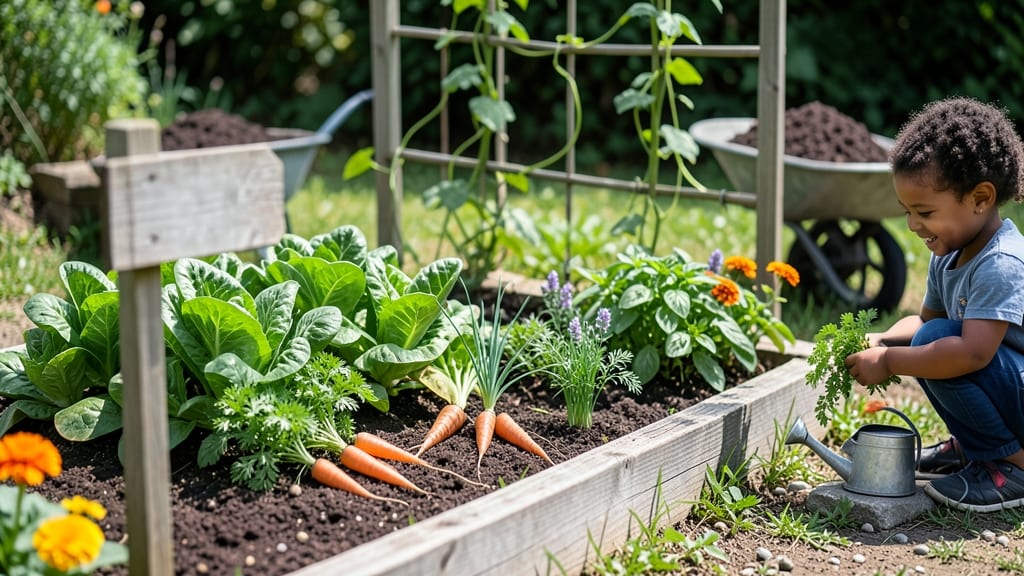
Gardening is important for Appcyard because it transforms urban spaces into thriving ecosystems that reduce stress, clean the air, and grow fresh food while building community and resilience. These benefits make it a powerful tool for sustainable city living.
Urban gardening through Appcyard isn't just about green thumbs—it's a science-backed way to improve daily life.
Studies show that just 15 minutes of gardening can lower cortisol levels by 20%, while plants like basil and ivy filter harmful pollutants from the air. 🌿 For Appcyard users, this means turning small balconies or rooftops into productive spaces that yield food, beauty, and measurable health benefits.
The platform's tools make it easier than ever to start, even for beginners.
What makes this especially valuable is how gardening addresses multiple challenges at once. Beyond personal well-being, community gardens create social connections, while drought-resistant plants help cities adapt to climate changes. The key is starting small—whether it's a single herb pot or a vertical garden—and letting the benefits grow naturally.
💡 In This Article
- Science-Backed Psychological and Environmental Benefits of Urban Gardening
- Practical Ways Appcyard Users Can Maximize Gardening Impact
Science-backed psychological and environmental benefits of urban gardening
Gardening triggers a measurable physiological response by reducing cortisol—the stress hormone—through a process called "biophilia," our innate connection to nature. Research from the University of Michigan found that just 15 minutes of gardening lowers cortisol by 20%, comparable to a 45-minute walk.
The tactile experience of handling soil and plants activates the parasympathetic nervous system, which counters the body's "fight-or-flight" response. 🌱 This is why urban gardeners often report improved mood and focus within hours of tending their plots.
The environmental benefits stem from plants' ability to filter airborne pollutants like nitrogen dioxide (NO₂) and particulate matter (PM2.5), which are common in urban areas. A NASA study revealed that a single 150-square-foot rooftop garden can remove up to 90 pounds of carbon dioxide annually while releasing oxygen.
Leafy plants like ivy and basil are particularly effective, with their broad surfaces capturing dust and absorbing harmful gases. For Appcyard users, this means even small balconies can act as mini air purifiers, improving respiratory health in densely populated cities.
Urban gardening also enhances cognitive function by engaging multiple senses simultaneously. The combination of visual stimulation (colorful plants), tactile feedback (soil texture), and aromatic cues (herbs like mint or lavender) creates a "multi-sensory experience" that boosts memory and creativity.
A study in the journal Frontiers in Psychology found that participants who gardened for 30 minutes showed 12% faster cognitive recovery after stressful tasks compared to those who didn't. This is why many Appcyard users report sharper mental clarity after tending their gardens.
Beyond individual benefits, urban gardening contributes to ecological resilience. Plants like native wildflowers and drought-resistant succulents help manage stormwater runoff, reducing the burden on city drainage systems.
In Appcyard's urban farming communities, shared gardens often become "micro-ecosystems" that support pollinators like bees and butterflies, which are critical for food production. 🐝 The cumulative effect of these small-scale interventions creates what scientists call "ecosystem services"—natural processes that provide tangible benefits to city dwellers.
One often-overlooked benefit is how gardening combats "nature deficit disorder," a term coined by author Richard Louv to describe the negative effects of living in urban environments with limited nature exposure. Children and adults alike experience improved attention spans and reduced ADHD symptoms when exposed to green spaces.
For Appcyard users, this translates to tangible improvements in daily productivity and well-being, making gardening a low-cost intervention with high returns.
Consider the case of New York City's High Line park, where urban gardening projects have been shown to reduce local temperatures by up to 5°F during heatwaves. This "cooling effect" happens because plants release moisture through transpiration, creating a localized breeze that lowers ambient temperatures.
For Appcyard users in heat-prone cities, this means their gardens can double as natural air conditioners, reducing reliance on energy-intensive cooling systems.
The psychological and environmental benefits of urban gardening create a positive feedback loop. As stress levels drop, people are more likely to engage in healthy behaviors like regular gardening, which further enhances air quality and community cohesion.
This is why Appcyard's platform emphasizes accessible gardening tools—because the easier it is to start, the more people can experience these science-backed benefits firsthand. 🌿