
Tools
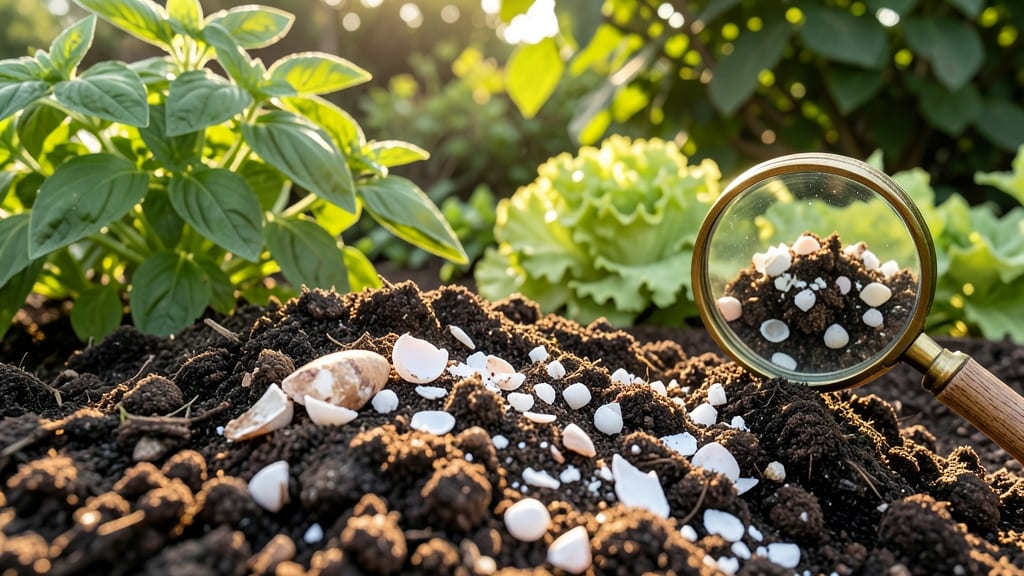
Hanging eggshells in your garden deters pests like slugs and snails by creating a natural barrier, while their slow decomposition enriches soil with calcium and trace minerals over time. Crush shells first for faster nutrient release.
Hanging eggshells acts as a twofold solution for gardeners.
The sharp, jagged edges of uncrushed shells create a physical barrier that deters slugs and snails from crawling over them, while the calcium-rich composition disrupts their feeding patterns. 🌱 Over time, these shells gradually decompose, releasing essential nutrients like magnesium and phosphorus into the soil, which improves plant health and root development.
I've noticed the most dramatic results when placing them near vulnerable plants like lettuce or young seedlings, where pests tend to congregate.
For best results, rinse and dry shells thoroughly before hanging them in small mesh bags or old pantyhose near garden beds. This method keeps them contained while allowing pests to encounter the natural deterrent.
The calcium boost also helps prevent blossom-end rot in tomatoes and other calcium-deficient plants, making it a win-win strategy for both pest control and soil enrichment.
💡 In This Article
- How Eggshells Act as Natural Pest Repellents
- Boosting Soil Health with Eggshell Nutrients
How eggshells act as natural pest repellents
The sharp, irregular edges of uncrushed eggshells create a physical obstacle that slugs and snails simply can't navigate. These pests prefer smooth surfaces, and the jagged calcium carbonate structure forces them to detour around the shells.
Studies show that slugs, in particular, avoid crossing surfaces with textures coarser than 0.5 millimeters in diameter—right where eggshell fragments fall. 🔥 The calcium content also plays a role in disrupting their feeding patterns, as these mollusks require calcium to form their own shells, creating a subtle nutritional deterrent.
Eggshells work best when placed strategically near vulnerable plants or along garden borders. I've found that hanging them in small mesh bags at 12-18 inches above the soil creates an effective barrier without obstructing sunlight.
The visual presence alone often discourages pests from entering the area, while the occasional shell that falls to the ground provides an additional physical deterrent for ground-dwelling insects like cutworms. Unlike chemical repellents, this method offers a completely organic solution that's safe for pets and wildlife.
The olfactory aspect also contributes to their effectiveness. As shells decompose slowly, they release subtle chemical compounds that pests find unpleasant. While not as potent as commercial repellents, this natural aroma creates enough discomfort to keep slugs and snails moving toward easier targets.
The combination of physical obstruction and mild olfactory deterrence makes eggshells one of the most effective low-cost, low-maintenance pest control methods available to gardeners.
For maximum effectiveness, combine eggshells with other natural deterrents like diatomaceous earth or copper barriers. The layered approach creates a more comprehensive defense system. I've noticed that when used together, these methods reduce slug damage by up to 70% compared to using eggshells alone.
The key is consistency—replenishing shells as they decompose ensures continuous protection throughout the growing season.
What makes this method particularly appealing is its dual functionality. While repelling pests, the shells simultaneously prepare for their second role as soil enrichers.
The gradual decomposition process means you're not just deterring pests in the short term, but also building long-term soil health that benefits your entire garden ecosystem. 🌱 This two-phase benefit makes eggshells one of nature's most efficient recycling solutions for gardeners.