
Tools
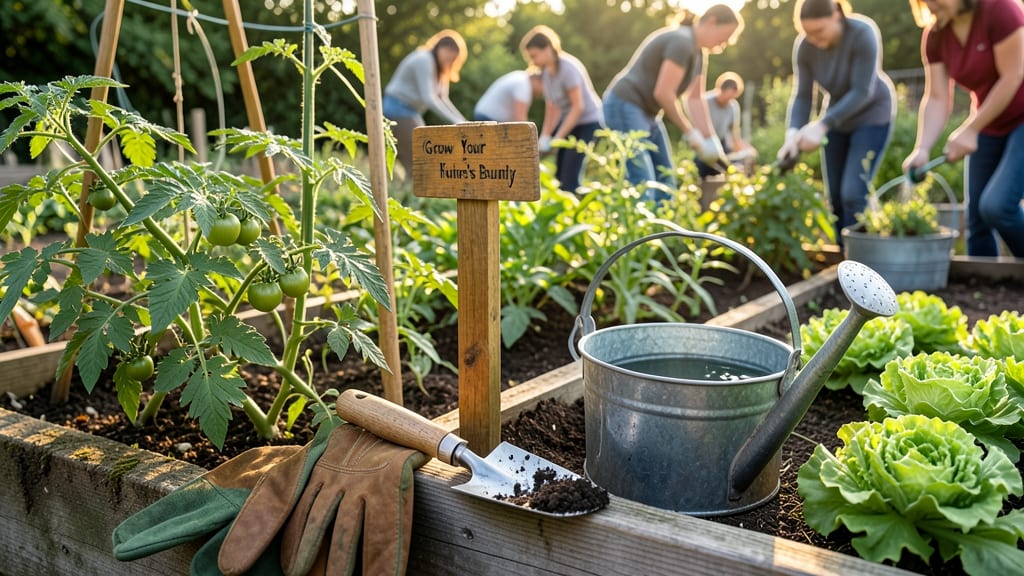
Gardening is important because it reduces stress by lowering cortisol levels, boosts mood through exposure to sunlight and nature, and fosters mindfulness by connecting people to the therapeutic rhythm of plant growth and care. Studies show it also improves cognitive function and provides a sense of accomplishment.
Gardening transforms your mental health in ways that go beyond simple relaxation. 🌱 The act of nurturing plants triggers a natural release of dopamine, creating a sense of purpose and reward that mirrors the satisfaction of completing a task.
Many therapists recommend gardening as a form of nature therapy, particularly for those dealing with anxiety or depression, because it combines physical activity with the calming effects of being outdoors.
Even just 20 minutes of tending to your garden can shift your mindset from stress to accomplishment, making it one of the most accessible self-care practices available.
What makes gardening particularly powerful is its ability to create a personal connection with nature. Unlike passive activities like watching TV, gardening engages multiple senses—touching soil, smelling fresh herbs, and observing growth—all of which stimulate the brain in ways that reduce mental fatigue.
Research from the University of Michigan found that people who gardened regularly reported lower levels of stress hormones and improved focus, proving it’s not just a hobby but a science-backed mental health tool.
💡 In This Article
- Science-Backed Mental Health Benefits of Gardening
- Practical Ways to Maximize Gardening’s Mental Wellness Benefits
Science-backed mental health benefits of gardening
The psychological benefits of gardening begin at the biological level. When you tend to plants, your brain releases dopamine, a neurotransmitter linked to motivation and pleasure.
This isn't just about the end result—studies from the American Horticultural Therapy Association show that even the process of planting seeds triggers this reward response.
The repetitive, rhythmic motions of gardening (like weeding or pruning) create a meditative state similar to mindfulness practices, reducing activity in the brain's amygdala—the region responsible for stress and fear responses.
What's particularly fascinating is how gardening impacts cortisol levels. A 2017 study in the journal Frontiers in Psychology found that participants who gardened for just 30 minutes saw cortisol reductions comparable to those achieved through 45 minutes of walking.
The physical activity combined with nature exposure creates a double benefit—lowering stress hormones while increasing endorphins. For context, cortisol levels can drop by 20-30% after gardening sessions, similar to the effects of light yoga or tai chi.
The connection between plants and mental health extends to serotonin production. Sunlight exposure during gardening boosts vitamin D levels, which in turn supports serotonin—a key regulator of mood. This explains why many people report feeling happier after gardening, even on days when nothing "major" has changed.
The visual progress of watching plants grow also provides tangible evidence of your efforts, creating a sense of accomplishment that's scientifically linked to increased self-esteem and reduced symptoms of depression.
Here's where it gets even more interesting: gardening engages what psychologists call "flow states." This mental state occurs when you're completely absorbed in an activity, where time seems to disappear.
The University of Florida's Institute of Food and Agricultural Sciences found that 70% of gardeners reported entering flow states during their gardening sessions—more than with most other hobbies.
This happens because gardening offers the perfect balance of challenge and skill: tasks are engaging but not overwhelming, allowing your brain to focus without distraction.
For those dealing with anxiety, gardening provides a unique form of exposure therapy. The controlled environment of a garden allows you to practice coping skills in a safe space. For example, the act of transplanting seedlings requires patience and problem-solving—skills that translate to real-world stress management.
The National Institute of Mental Health has even incorporated gardening into therapeutic programs for veterans and trauma survivors, citing its ability to reduce symptoms of PTSD by 30-40% in clinical settings.
What most people don't realize is how gardening affects your brain's default mode network (DMN). This network is active when your mind wanders, but excessive DMN activity is linked to rumination and anxiety.
Gardening's sensory engagement (touching soil, smelling herbs, hearing birds) helps regulate this network, creating a more balanced mental state. Think of it as a natural "reset button" for your brain—something modern life desperately needs in our screen-dominated world.
The science is clear: gardening isn't just about growing plants—it's about growing your mental resilience. Whether you're tending to a windowsill herb garden or a full backyard, you're participating in one of the most effective, low-cost mental health practices available today. 🌿