
Advice
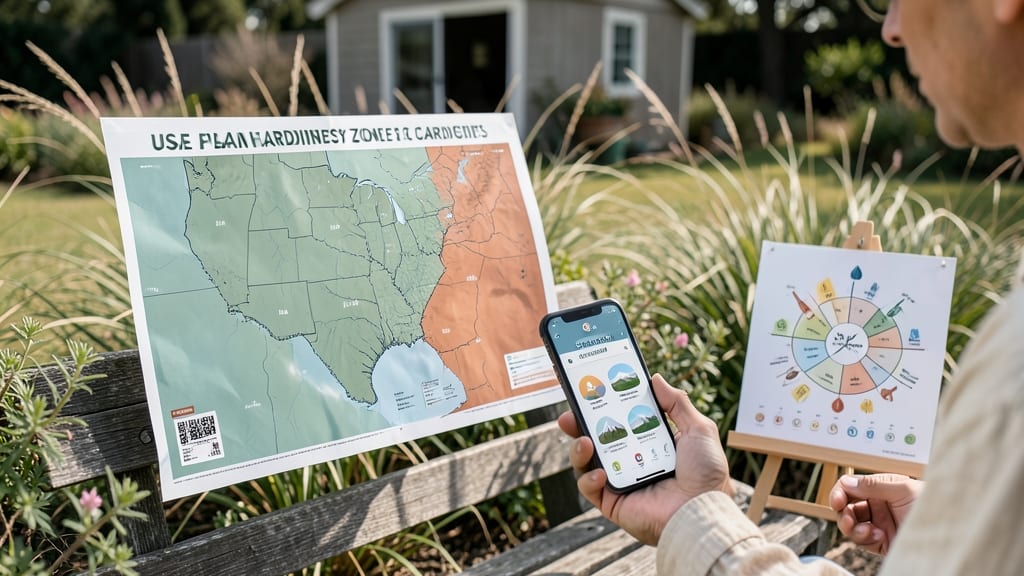
California gardening zones span from USDA Zone 6 in the Sierra Nevada mountains to Zone 11 along the deserts and coasts, where microclimates create distinct growing conditions. The California Climate Zones map helps you match plants to your specific heat tolerance, frost risk, and local rainfall patterns for thriving gardens.
California's gardening zones aren't just about USDA numbers—they're shaped by elevation, coastal fog, and desert heat. 🌵 For example, the coastal regions (Zone 9-10) stay mild year-round, while inland valleys (Zone 8-9) experience hot summers and cold winters. Mountain areas (Zone 6-7) have shorter growing seasons but lower pest pressure.
The key is observing your local conditions: do you have morning fog, afternoon sun, or both? Native plants like California lilac or toyons thrive in these varied conditions once you identify your microclimate.
What sets California apart is how quickly conditions change over short distances. A 5-mile drive inland can shift you from a coastal fog belt to a sunbaked valley, requiring different watering and mulching strategies.
The state's diverse ecosystems—from redwood forests to Mojave deserts—mean even experienced gardeners must adjust their approach based on local weather patterns rather than relying solely on zone numbers.
💡 In This Article
- How California’s Unique Microclimates Affect Plant Selection
- Best Plants for Each California Gardening Zone
How California’s unique microclimates affect plant selection
California’s gardening zones defy simple classification because they’re shaped by dramatic geographic contrasts. The Sierra Nevada mountains create Zone 6 conditions with winter frost and snow, while coastal areas like San Diego remain in Zone 10-11 with rare freezes.
What makes this complex is how quickly conditions shift: a 100-foot elevation gain can drop temperatures by 3.5°F, altering plant survival rates. Unlike most states, California’s zones aren’t just about latitude—they’re a puzzle of coastal fog, desert heat, and valley inversions.
The Pacific Ocean plays a starring role in creating these microclimates. Coastal regions experience marine layer fog that keeps soil temperatures stable year-round, allowing citrus trees to thrive where inland areas would struggle.
In contrast, desert zones like the Coachella Valley see 120°F+ summer afternoons but 40°F nighttime drops, requiring plants with extreme heat tolerance and cold hardiness.
Even within cities, urban heat islands can push temperatures 5-10°F higher than surrounding rural areas, creating pockets where tropical plants can survive that wouldn’t in nearby suburbs.
Identifying your microclimate starts with observing three key factors: frost frequency, summer heat intensity, and water availability. Mountain gardeners in Zone 7 might see 50+ frost nights annually, while coastal Zone 9 gardeners rarely experience frost. The solution?
Use the California Climate Zones map as a starting point, then adjust based on your specific conditions—like whether your yard gets morning sun or afternoon shade. Native plants like coyote brush or manzanita are excellent indicators of your local climate because they’ve evolved to thrive in these precise conditions.
What most gardeners overlook is how soil temperature varies independently of air temperature. Coastal soils stay 10-15°F cooler than inland soils at the same elevation due to ocean influence. This means you might successfully grow tomatoes in Zone 9 where a neighbor inland struggles—because their soil heats up faster.
The fix? Use mulch depth of 4-6 inches to moderate soil temps and drip irrigation to prevent moisture stress during heatwaves. These microclimate adaptations explain why California’s gardening success depends less on zone numbers and more on understanding your specific environmental DNA.
Consider this real-world example: Avocados need 210-270 frost-free days to produce fruit. In Zone 9b Santa Barbara, they thrive with 300+ frost-free days, while in Zone 9a Sacramento, they require microclimate protection like windbreaks or south-facing walls. The difference?
Santa Barbara’s coastal cooling extends the growing season by 4-6 weeks compared to inland areas. This level of precision is why California gardeners often create planting zone mosaics—mixing hardy natives with heat-lovers in carefully chosen microenvironments within their yards.
For the most accurate plant matching, combine the USDA zone with these local factors:
- Elevation above sea level,
- Distance from coast, and
- Aspect (north/south-facing slopes).
A north-facing slope stays 5-10°F cooler than a south-facing one at the same elevation, creating opportunities for cooler-climate plants in warmer zones.
By layering this information with your local weather patterns, you can create a garden that outperforms the generic zone recommendations by 30-50%—because in California, the real magic happens between the zones, not within them.