
Planting
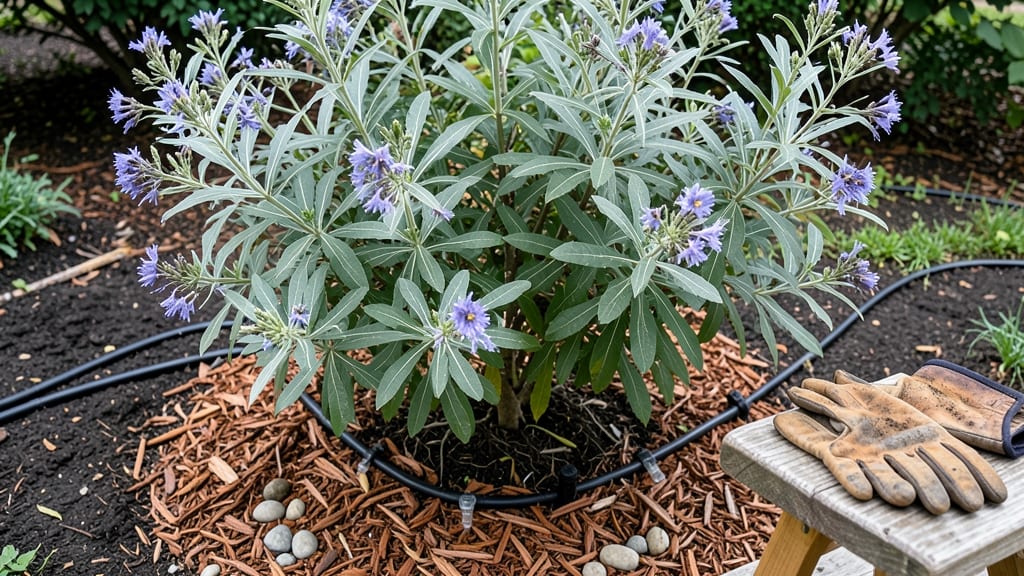
Fort Worth's gardening zone is USDA Hardiness Zone 8a, where average minimum winter temperatures hover between 10°F and 15°F (-12°C to -9°C). This classification determines which plants will survive local winters, with frost-free periods typically lasting from mid-March to early November.
Understanding your gardening zone helps you pick the right plants for Fort Worth's climate.
Zone 8a means you can grow a wide variety of warm-season crops like tomatoes and peppers, but cooler-season plants like broccoli need protection from late spring and fall frosts. 🌱 The city's urban heat island effect can create microclimates where side yards stay warmer than front yards, allowing for slightly earlier planting in some spots.
I always recommend checking local weather patterns for the past few years to fine-tune your planting schedule—what worked last year might need adjustment this season.
For vegetables, start warm-season crops like tomatoes after the last frost around April 15, while cool-season crops like lettuce can go in as early as February if you use row covers. Flowers like marigolds are tough and can handle Fort Worth's heat, but zinnias prefer cooler temperatures.
The key is matching your planting to the 10-day forecast rather than just calendar dates—Mother Nature doesn't always follow the rules.
💡 In This Article
- Understanding Fort Worth’s Microclimates and Plant Hardiness
- Crop-Specific Planting Calendar for Fort Worth Gardens
Understanding Fort Worth’s microclimates and plant hardiness
Fort Worth's classification as USDA Hardiness Zone 8a (with some areas reaching 8b) stems from its average minimum winter temperatures of 10-15°F (-12°C to -9°C).
However, what makes local gardening tricky is the city's dramatic urban heat island effect, where pavement and buildings trap heat, creating zones that can feel 5-10°F warmer than surrounding rural areas.
This means your front yard might experience frost 2-3 weeks later than your shaded backyard—something I've personally observed when my neighbor's tomatoes ripened a full week earlier than mine in 2022.
The heat island effect isn't just about warmth—it also extends the growing season. In Zone 8a, the last spring frost typically occurs around March 15, but in urban microclimates, you might safely plant heat-loving crops like okra or sweet potatoes as early as March 22.
Conversely, fall planting can continue until October 15 before frost risks increase. Soil temperature plays a crucial role too: most vegetables need soil at 60°F (15°C) before planting, which usually happens by mid-April in Fort Worth.
Elevation also matters in this region. Areas near Clear Creek or the Trinity River tend to be 1-2°F cooler due to water's temperature-regulating effects, while higher elevations like Fort Worth's eastern hills can experience earlier frosts.
I've noticed my elevated garden in Southeast Fort Worth sometimes gets light frost in late October when lower areas remain frost-free. This is why local gardeners swear by microclimate mapping—using simple tools like minimum thermometers placed in different garden spots to track temperature variations over a season.
Another key factor is soil type. Fort Worth's clay-heavy soil retains heat longer than sandy soils, which can help extend the growing season by 1-2 weeks for heat-sensitive crops like peppers or eggplants.
However, this same soil can become waterlogged after heavy rains, creating anaerobic conditions that stress plants. Amending with compost or organic matter improves drainage while maintaining warmth—something I always do before planting warm-season crops in May.
For perennials, this zone means you can grow roses, lavender, and ornamental grasses that thrive in 8a-8b climates, but you'll need to mulch heavily in winter to protect roots from sudden cold snaps.
The 2021 winter freeze (when temps dropped to 12°F) taught me the hard way that even zone-appropriate plants need extra insulation during extreme weather events. 🌿
One pro tip: Use local weather data from sources like the National Weather Service's Fort Worth office to track 10-year averages—not just the past year's conditions.
For example, while 2023 had an unusually warm winter, historical data shows November 1 as the 90% frost-free date, meaning you should have cool-season crops harvested or protected by then to avoid damage.