
Planting
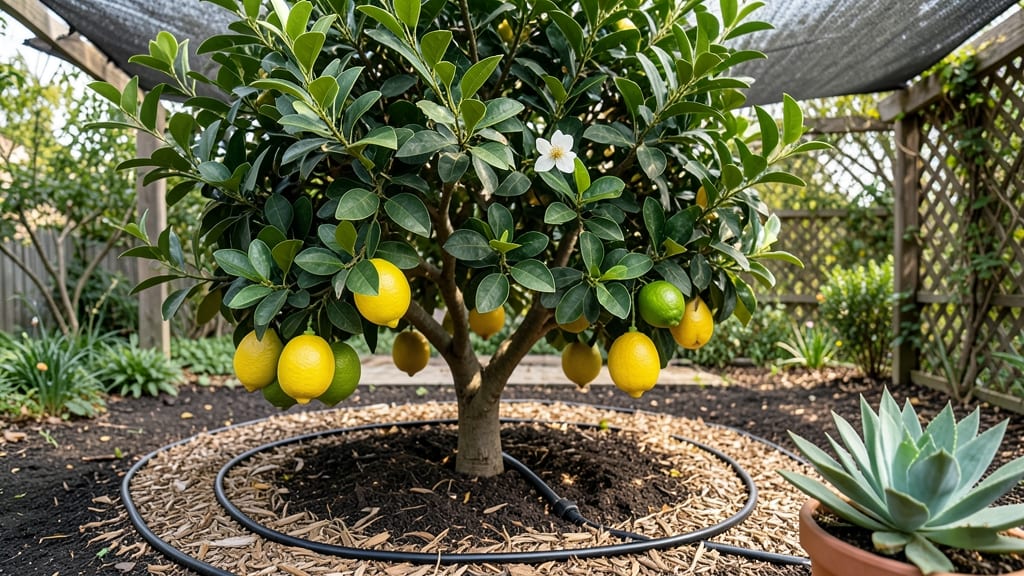
Zone 10 gardening thrives year-round with frost-free conditions, allowing tropical and subtropical plants like mangoes, citrus, and hibiscus to flourish. Focus on consistent moisture, shade management, and seasonal pest control for optimal growth in this mild climate zone.
This frost-free paradise lets you grow plants that would freeze in other zones, but the key is adapting to high humidity and intense sun exposure. 🌿 Unlike cooler climates, Zone 10 gardens rarely experience temperature drops below 30°F, which means you can plant tropical favorites like papaya and banana trees without worrying about winter dieback.
The challenge? Managing irrigation during dry spells and protecting leaves from scorching afternoon rays—especially for delicate varieties like orchids.
What sets Zone 10 apart is its ability to support three growing seasons instead of two, giving you continuous harvests if you plan carefully.
For example, while most gardeners struggle with winter gardening, Zone 10 growers can extend their vegetable production by planting cool-season crops like lettuce and peas during the "winter" months (which are still mild). The trade-off? More frequent pest pressure from insects like whiteflies and fungal diseases in the damp heat.
Pro tip: Use mulching to retain moisture and drip irrigation to avoid fungal issues from overhead watering. Many successful Zone 10 gardeners also incorporate shade cloth during peak summer to protect young plants from heat stress while maintaining that tropical vibe.
The result? A garden that feels like a perpetual summer oasis. ✨
💡 In This Article
- Understanding Zone 10’s Unique Climate for Plant Selection
- Seasonal Zone 10 Planting Calendar and Maintenance Tips
Understanding Zone 10’s unique climate for plant selection
Zone 10's frost-free climate creates a rare opportunity for gardening enthusiasts to cultivate plants that would perish in colder zones. The defining characteristic is its average minimum temperature of 30-40°F, which never drops below 20°F—a stark contrast to Zone 7, where winter temperatures can plummet to -10°F.
This warmth allows tropical and subtropical plants to thrive year-round, including avocados, guavas, and even banana trees that would freeze in Zone 8 or below. 🌴 The consistent warmth means no need for winter dormancy cycles, unlike temperate zones where plants must adapt to seasonal temperature shifts.
The year-round growing potential stems from Zone 10's high solar radiation and humidity levels often exceeding 60%. During summer months, temperatures can soar to 95°F+, while winter nights rarely drop below 55°F.
This creates an ideal environment for heat-loving plants like bougainvillea and hibiscus, but also demands careful water management. Coastal areas experience moderating ocean breezes that reduce heat stress, while inland regions face more extreme temperature swings between day and night—sometimes 30°F differences—which can stress sensitive tropical species.
Plant selection in Zone 10 must account for these microclimates. Coastal gardens benefit from USDA Hardiness Zones 10b-11 (average minimum 35-45°F), while inland areas typically fall into Zone 10a (average minimum 30-35°F). This explains why citrus trees thrive near the coast but may struggle inland without protection.
The key adaptation is choosing varieties with heat tolerance and drought resistance, such as Meyer lemons or 'Improved Meyer' lemons, which handle Zone 10's intense sun better than standard varieties.
What's often overlooked is how Zone 10's humidity affects plant health. The high moisture levels create perfect conditions for fungal diseases like powdery mildew and root rot, which is why proper air circulation and well-draining soil (pH 6.0-7.0) are critical.
Unlike drier zones where water is scarce, Zone 10 gardeners must balance irrigation to prevent both drought stress and waterlogged roots. A drip irrigation system with timers is ideal—delivering 1-1.5 inches of water weekly during dry seasons while avoiding overhead sprinklers that promote fungal growth.
Seasonal variations do exist, though they're subtle compared to other zones. The "cool" season (roughly November-February) sees slightly lower humidity and 10-15°F temperature drops at night, which can stress tropical plants if not monitored. This is when lightweight row covers become valuable for protecting young seedlings.
Conversely, summer's 90-100°F days with high UV index (often 10+) require afternoon shade for delicate plants, while hardy varieties like hibiscus actually bloom more prolifically in this heat.
One fascinating aspect is how Zone 10's climate enables year-round flowering in many species. Plants like plumeria and frangipani, which would only bloom once in cooler zones, can produce continuous flowers with proper care. The trade-off?
Increased pest pressure from insects like aphids and mealybugs, which thrive in the warm, humid conditions. Regular inspections and neem oil sprays (applied every 2-3 weeks) help maintain plant health without harsh chemicals that could harm beneficial insects.