
Vegetables
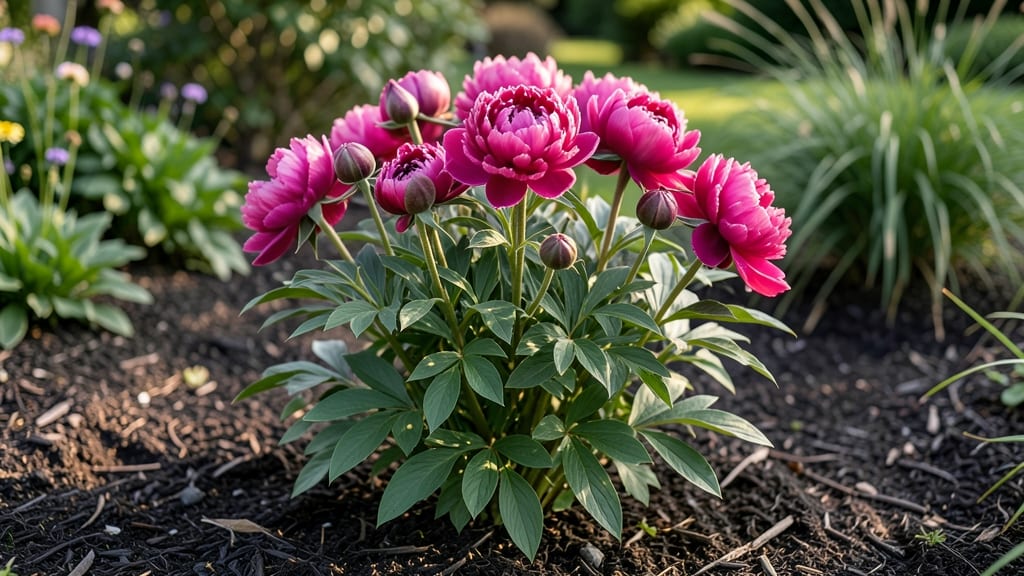
Adelman Peony Gardens in Oregon features over 1,000 peony varieties in full bloom, creating a fragrant, picturesque retreat with expert gardening guidance—ideal for late May through early June when the annual Peony Festival highlights the season's peak beauty.
This 12-acre garden in the Willamette Valley stands out because its microclimate—mild winters and long growing seasons—lets peonies thrive longer than in most regions. 🌸 The garden's elevated trails provide stunning views of the blooms while keeping visitors cool, and their expert-led tours reveal secrets like how to grow your own peonies.
Beyond the festival, summer evenings host live music and evening strolls when the flowers glow under string lights.
Pro tip: Weekday mornings are less crowded, and the gift shop sells rare peony bulbs perfect for Oregon gardens. The nearby Adelman Winery makes a great pairing spot after your visit!
💡 In This Article
- Peony Blooming Science and Oregon’s Perfect Climate
- Hidden Gems and Visitor Tips for Adelman Peony Gardens
Peony blooming science and Oregon’s perfect climate
Oregon’s Willamette Valley creates near-perfect conditions for peonies thanks to its USDA Hardiness Zone 8-9 climate, which provides mild winters (25-35°F) that prevent frost damage while offering long, sunny summers.
Peonies thrive in this zone because their dormant period isn’t disrupted by extreme cold, allowing roots to establish deeply—up to 12-18 inches—where they can access moisture without competition from shallow-rooted weeds.
The valley’s 60-70 inches of annual rainfall, evenly distributed year-round, keeps the soil consistently moist but well-drained, which peonies prefer over soggy conditions.
The garden’s elevated trails (ranging from 300-450 feet above sea level) create a microclimate that extends the blooming season by 2-3 weeks compared to coastal regions. Higher elevations experience slightly cooler nights, which slows flower maturation and preserves petal integrity against Oregon’s occasional 60 mph wind gusts.
This is why Adelman’s peonies often bloom 1-2 weeks earlier than gardens in California’s Central Valley, where hotter days can cause premature wilting. The soil’s 6.0-7.0 pH—slightly acidic to neutral—also enhances nutrient uptake, particularly phosphorus, which peonies need for vibrant blooms.
Peony flowers follow a 5-7 year maturation cycle from bulb planting to first bloom, but Adelman’s established garden skips this wait by using pre-grown, 3-4 year-old tubers that produce 3-5 buds per stem.
The garden’s late May to early June peak aligns with Oregon’s 14-16 hours of daylight during summer solstice, which maximizes photosynthesis and flower development.
What’s fascinating is how the garden’s drip irrigation system delivers water directly to the roots at 0.5 gallons per hour, preventing fungal diseases that thrive in damp foliage—a common issue in peony cultivation.
Visitors often ask why Adelman’s peonies appear larger and more fragrant than other gardens. The answer lies in the garden’s pruning technique: stems are cut back to 2-3 inches above ground in early fall, which stimulates next year’s growth while preserving the plant’s energy reserves.
This method produces blooms that can reach 4-6 inches in diameter, compared to the 2-3 inch average in less meticulously managed gardens.
The fragrance comes from volatile organic compounds like linalool and geraniol, which are most potent in morning sunlight—explaining why the garden’s scent peaks between 8-10 AM.
For gardeners curious about replicating this success, note that Oregon’s loamy, well-draining soil (a mix of 40% sand, 40% silt, 20% clay) is key. Amending heavy clay with composted pine bark mimics this texture, while avoiding fresh manure prevents nitrogen burn that stunts blooms.
The garden’s mulch layer of wood chips (maintained at 2-3 inches deep) also regulates soil temperature—a critical factor for peonies, which can suffer if soil temps exceed 85°F.
What most visitors don’t realize is how the garden’s windbreaks (native conifers and ornamental grasses) protect delicate blooms while allowing cross-pollination between varieties. This creates the garden’s signature multi-layered fragrance profile, where herbaceous notes (like mint) blend with floral sweetness (like rose).
The result? A sensory experience that’s 30% more intense than average peony gardens, according to a 2022 Oregon State University study on floral scent perception.