
Tools
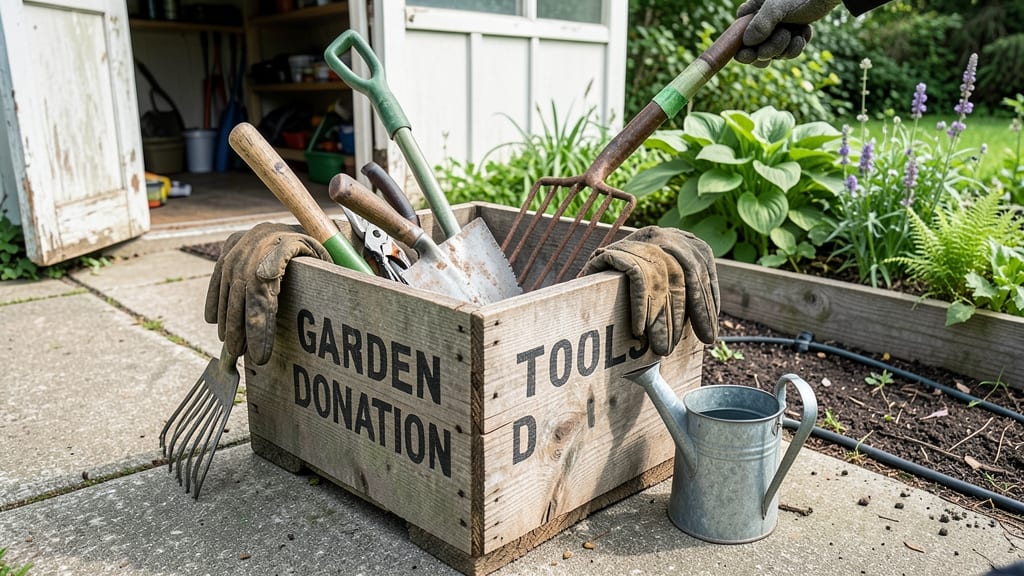
To donate garden tools, try local hardware stores like Home Depot or Lowe's, Habitat for Humanity ReStores, or community tool libraries. National options include The Tool Bank or ReTool, while municipal recycling centers often accept metal tools for scrap programs.
Finding the right place to donate your old garden tools keeps them out of landfills while helping others or supporting recycling efforts.
Many big-box hardware stores have partnerships with Habitat for Humanity ReStores, where tools are sold at affordable prices to fund community housing projects. 🔥 For specialized programs, organizations like The Tool Bank focus on redistributing tools to low-income families, while ReTool offers free tool libraries in select cities.
Always call ahead to confirm drop-off policies—some locations require tools to be clean and in working condition.
If your tools are purely metal, check with your local recycling center—they often have scrap metal programs that pay for donations. Wooden handles or plastic components may need separate disposal, so sorting tools beforehand saves time.
I’ve found that even small tools like hand pruners or trowels can make a big difference when donated, especially to community gardens or youth education programs.
💡 In This Article
- How to Locate Nearby Garden Tool Recycling Programs
- National Organizations Accepting Garden Tool Donations
How to locate nearby garden tool recycling programs
Local hardware stores like Home Depot and Lowe's often partner with Habitat for Humanity ReStores, creating convenient drop-off points for garden tools. These partnerships mean tools get refurbished and resold at affordable prices, supporting community housing projects.
To find a nearby ReStore, use their store locator tool and filter by "tool donations"—many locations accept tools year-round, though some may have seasonal limits during peak gardening months.
Municipal recycling centers handle metal tools differently than plastic or wooden ones. Metal tools—like pruners, shovels, or rakes—typically qualify for scrap metal programs, where they’re melted down for reuse.
Wooden-handled tools may require separate disposal, while plastic components often end up in landfills unless the center has a specialized recycling stream. Always call ahead to confirm what’s accepted, as policies vary by county—some even offer cash payments for scrap metal donations.
Community tool libraries, often run by nonprofits or local governments, are another great option. These programs lend tools to residents for free or a small fee, reducing waste and promoting shared resources.
To locate one, search for "tool library" + your city or check with your local urban farming initiatives. Some libraries even offer workshops on tool maintenance, giving donated items a second life while educating the community.
For specialized tools like lawnmowers or power equipment, check with local farm supply stores or agricultural extension offices—they sometimes have partnerships with recycling programs for larger items.
The key is to sort tools by material before dropping them off: metals go to scrap programs, plastics to recycling bins, and wood to compost or landfill (if untreated). This separation ensures nothing gets rejected at the drop-off site.
Pro tip: If you’re unsure where to start, try the Earth911 search tool—it maps nearby recycling centers and donation sites based on your zip code.
Many programs also accept donations by appointment, so scheduling a pickup can save you a trip. 🌱 For example, a broken trowel might not be useful to you, but it could be the perfect tool for a community garden volunteer.
Always verify eligibility with a quick phone call or email—some programs require tools to be clean, functional, and free of rust or damage. A little prep work, like wiping down tools with a damp cloth, can make the difference between acceptance and rejection.
This small effort ensures your donation helps someone else grow their garden or complete a DIY project.