
Landscaping
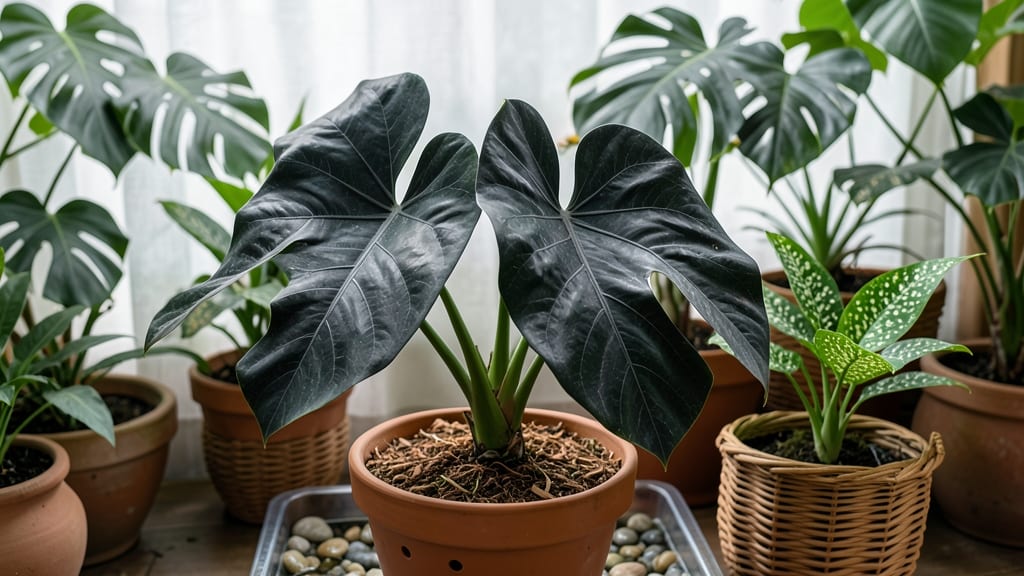
Alocasia garden ideas turn ordinary spaces into tropical showstoppers with their striking, elephant-ear foliage 🌿. Picture this: a shady corner bursting with lush greens and deep velvety hues, where every leaf feels like a masterpiece.
If you’ve ever scrolled through garden magazines and thought, "I want that drama in my own yard," this is your sign. Alocasia thrives in shady spots and containers, making it the perfect star for small patios, under trees, or even as a bold indoor statement.
The key? Pairing it with the right companions to amplify its natural beauty.
From dwarf varieties tucked into window boxes to towering hybrids anchoring a tropical-themed border, these ideas prove alocasia isn’t just a houseplant—it’s a landscape game-changer. Whether you’re a seasoned gardener or a beginner, we’ll show you how to make the most of its bold textures and colors.
Ready to transform your garden into a foliage paradise? Below, we’ll cover everything from planting layouts to low-maintenance hacks so your alocasia stays vibrant all season long.
Creative alocasia planting layouts for maximum visual impact
Alocasia plants thrive when strategically placed to showcase their dramatic foliage. Their bold, elephant-ear leaves demand attention, so thoughtful arrangement turns any space into a tropical masterpiece. For maximum visual impact, focus on height variation, color contrast, and creating focal points that draw the eye.
Start by grouping alocasia varieties by size—tall specimens like Alocasia 'Black Star' (up to 4 feet) should anchor your design, while smaller types like Alocasia 'Polly' (1-2 feet) add delicate texture. Pair them with complementary plants like ferns or calatheas to enhance their tropical allure.
For small yards, use containers or vertical planters to maximize space. Place taller alocasias at the back and shorter varieties in front, creating a layered effect. In large landscapes, dedicate a shaded corner or create a moisture-loving border where alocasias can thrive alongside hostas or astilbes.
In containers, mix alocasia varieties with contrasting textures—try pairing velvety 'Black Star' with glossy 'Polly' or striped 'Zebrina'. Use pots in varying heights to create visual interest, and place them near seating areas for an immersive tropical feel.
For large landscapes, create a moisture-loving border by planting alocasias along a shady path or near a pond. Combine them with hostas or heucheras for a lush, layered look. In shady gardens, use alocasias as a focal point surrounded by ferns or calatheas to amplify their dramatic presence.
Don’t overlook color contrast—pair deep purple Alocasia 'Black Star' with silver variegated calatheas or bright green Alocasia 'Polly' with burgundy heucheras. This creates a stunning visual pop while keeping your design cohesive.
When planting outdoors, ensure well-draining soil and consistent moisture—alocasias hate dry conditions. Mulch around the base to retain humidity and protect roots. In cooler climates, grow them as container plants and bring them indoors before frost.
For year-round interest, combine alocasias with evergreen foliage like lemon button ferns or cast iron plants. This ensures your garden stays vibrant even in winter. Experiment with odd-number groupings (3, 5, or 7 plants) for a natural, balanced look.
Finally, elevate your design with strategic lighting. Place solar-powered path lights near alocasia groupings to highlight their stunning leaves at night. This adds a magical touch and extends their visual appeal into the evening hours.
Best alocasia varieties for stunning garden combinations
Creating a show-stopping garden with alocasia plants starts with selecting the right varieties and pairing them with complementary foliage 🌿. These tropical beauties thrive when surrounded by plants that echo their lush textures and deep hues. Let’s dive into the top alocasia varieties that will elevate your garden’s tropical vibe.
For a dramatic statement, Alocasia 'Black Star' is a must-have with its deep purple-black leaves. Its bold color contrasts beautifully with silver ferns like Nephrolepis exaltata or the delicate fronds of Calathea orbifolia.
This pairing creates a striking color contrast that draws the eye and adds depth to any shady corner.
The pros-cons-box below highlights the best alocasia varieties and their perfect plant companions for a cohesive, eye-catching garden design.
Top Alocasia Varieties for Garden Pairings
Alocasia 'Black Star'
Pros: Deep purple-black leaves, dramatic contrast, thrives in shade.
Cons: Slow-growing, requires high humidity.
Best Pairings: Silver ferns, Calathea orbifolia, Hosta 'Francee'.
Alocasia zebrina
Pros: Striking zebra-striped leaves, compact size, great for containers.
Cons: Needs consistent moisture, sensitive to cold drafts.
Best Pairings: Peperomia prostrata, Fittonia 'Silver Nerve', Begonia rex.
Alocasia 'Polly'
Pros: Small, heart-shaped leaves, perfect for window boxes, easy to care for.
Cons: Limited height, may need staking as it grows.
Best Pairings: Pilea peperomioides, Fittonia 'White Queen', small ferns.
If you’re working with limited space, Alocasia 'Polly' is a fantastic choice. Its petite size makes it ideal for window boxes or hanging baskets, where it pairs beautifully with Pilea peperomioides (Chinese money plant) and Fittonia for a cascading effect.
This combo adds texture and movement to small gardens or patios.
For a tall, tropical backdrop, consider Alocasia 'Dragon Scale'. Its large, glossy leaves create a stunning focal point when planted alongside hostas or monstera deliciosa. The height variation adds dimension, making your garden feel lush and layered.
To keep your alocasia thriving, ensure they’re planted in well-draining soil and receive bright, indirect light. Mulch around the base to retain moisture, and avoid letting the soil dry out completely. With the right care and companions, your alocasia garden will be the envy of the neighborhood!