
Planting
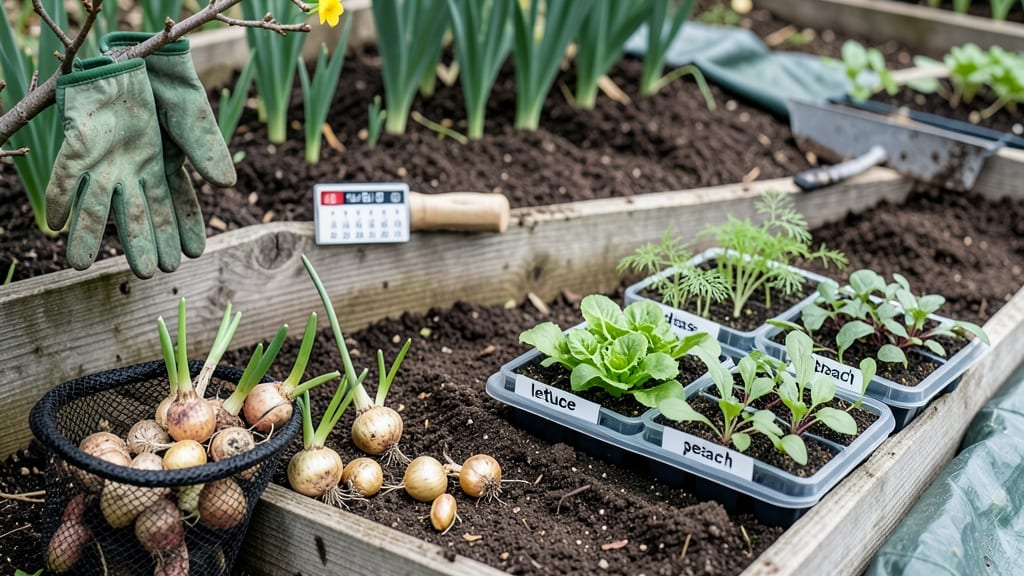
Planting a garden in Ohio means timing your seeds and seedlings to dodge frost and maximize your 165 frost-free days—a window that can shift by weeks depending on where you live in the state.
Ohio’s unpredictable spring weather can turn gardening dreams into guesswork—plant too early, and frost wipes out your hard work; too late, and you miss peak harvests. But timing isn’t just about the calendar—it’s about understanding Ohio’s frost zones, microclimates, and the unique needs of each plant type.
From cool-season crops like lettuce and peas that thrive in March soil to warm-season favorites like tomatoes and peppers that need 60°F+ ground, this guide breaks down the exact weeks to start seeds indoors or sow directly outdoors.
You’ll also discover how to adjust for late frosts, extend your growing season with simple tools, and avoid common mistakes that derail even the most eager gardeners.
Ohio’s frost dates by region: when to plant cool-season vs warm-season crops
Ohio’s gardening success hinges on understanding your region-specific frost dates. The last spring frost signals when to plant warm-season crops like tomatoes, while the first fall frost determines when to harvest or protect cool-season crops like lettuce.
These dates vary by Ohio’s four regions, each with unique microclimates influenced by lakes, urban areas, and elevation.
For example, Northeast Ohio (USDA Zones 5b-6a) often sees its last frost around April 20, while Southwest Ohio (Zone 6b) can be frost-free by April 10. These differences mean your neighbor’s planting schedule might not work for you.
Let’s break down the key frost dates and how they shape your planting calendar for both cool- and warm-season crops.
🌱 PRO TIP: Always check your local Almanac frost dates or use a soil thermometer—frost can strike unexpectedly, even in late May. Urban areas like Columbus often experience heat islands that delay frost, while lake-effect zones near Erie can see earlier freezes.
Cool-season crops like lettuce, peas, and spinach thrive in Ohio’s early spring and fall. In Northeast Ohio, you can start sowing seeds as early as March 15 for a spring harvest, while Southwest Ohio gardeners might plant by February 28 to beat the rush.
These crops tolerate light frosts, but avoid planting after your region’s last frost date—they’ll bolt or struggle in heat.
Warm-season crops—think tomatoes, peppers, and cucumbers—need soil temperatures above 60°F to germinate. In Northwest Ohio, wait until April 25 to plant seeds outdoors, while Southeast Ohio can start slightly earlier (May 1).
Use row covers or a cold frame to extend the season if frost threatens after planting.
Microclimates play a huge role in Ohio. For instance, Columbus’s urban heat can push last frosts to May 10, while rural Appalachian areas might see frost until May 15.
If you’re near Lake Erie, expect cooler nights that delay planting by 1–2 weeks. Always scout your garden for late frost pockets, especially in low-lying areas.
For fall planting, aim to sow cool-season crops 8–10 weeks before your first frost. In Southeast Ohio, that means starting by August 15 for a harvest before October 20.
Use frost cloth to protect tender greens like kale or Swiss chard if frost arrives early. Radishes and turnips are great last-minute crops—they mature quickly and tolerate light frosts.
Don’t forget succession planting! In Ohio’s short growing season, you can extend harvests by sowing lettuce or bush beans every 2 weeks from spring until July 1.
This ensures a steady supply of fresh produce, even if your main crop fails due to unexpected late frosts or summer heat stress.
If you’re unsure about your exact frost dates, use the Old Farmer’s Almanac or check local Cooperative Extension Service resources. They provide historical averages and real-time updates based on weather patterns. 🌿 PLAN AHEAD: Start warm
Planting calendar for Ohio’s most popular vegetables: exact weeks to start seeds indoors vs direct-sow outdoors
Ohio gardeners know timing is everything—plant your tomatoes too early, and cold soil stunts their growth; wait too long, and you’ll miss the 165 frost-free days we’re lucky to get. The key is balancing indoor seed-starting with direct-sowing windows, while accounting for Ohio’s unpredictable weather swings.
Whether you’re growing leafy greens in containers or cucumbers in raised beds, these exact deadlines will help you maximize your harvest.
Most Ohio gardeners aim to start cool-season crops like broccoli and spinach indoors by early March, while warm-season favorites such as peppers and eggplants need to begin indoors in late March or early April.
Direct-sowing, however, depends on soil temperature—never plant tomatoes or peppers until the ground reaches at least 60°F, usually mid-May in most regions. Let’s break down the exact weeks for your top 12 Ohio vegetables.
📅 Ohio Planting Timeline: Indoor vs Outdoor
- 🌱 Broccoli/Cauliflower: Start indoors 8 weeks before last frost (early March). Direct-sow 4-6 weeks before last frost (late March–early April).
- 🥬 Lettuce/Spinach: Direct-sow 4-6 weeks before last frost (late March) or late summer for fall harvest. Avoid starting indoors—it’s too delicate.
- 🍅 Tomatoes: Start indoors 6-8 weeks before last frost (late March). Transplant outdoors after soil reaches 60°F (mid-May).
- 🌶 Peppers: Start indoors 8-10 weeks before last frost (early March). Transplant after last frost (mid-May) when soil is warm.
- 🫘 Cucumbers: Direct-sow 2 weeks after last frost (early May) or start indoors 3-4 weeks before transplanting.
- 🌿 Beans: Direct-sow 2 weeks after last frost (early May) or late summer for fall harvest. Never start indoors.
- 🎃 Squash: Direct-sow 2 weeks after last frost (early May) or late July for fall harvest. Avoid transplant shock.
- 🥕 Carrots: Direct-sow 4-6 weeks before last frost (late March) or late summer for fall harvest. Thin seedlings carefully.
- 🥔 Potatoes: Plant 2-3 weeks before last frost (early April) as seed potatoes. Harvest in 90-120 days.
- 🌿 Onions: Start indoors 10-12 weeks before last frost (February) or direct-sow as early as March for green onions.
- 🌻 Corn: Direct-sow 2 weeks after last frost (early May) in blocks, not rows, for pollination.
- 🍓 Strawberries: Plant in early spring (March) or fall (September) for established plants.
For container gardeners in urban areas, adjust timelines slightly—potted soil warms faster in spring, so you can direct-sow warm-season crops like cucumbers and beans 1-2 weeks earlier than in-ground gardens.
However, containers also dry out faster, so monitor moisture closely. My 5-gallon pots often need daily watering in July’s heat, while in-ground beds hold moisture longer.
Avoid these common mistakes that Ohio gardeners make: planting tomatoes before soil warms (they rot), skipping soil tests (pH affects nutrient uptake), or crowding seedlings (leads to disease). I once lost an entire pepper plant batch because I transplanted them too soon—always wait for consistent 60°F+ soil temperatures.
Use a soil thermometer to check; it’s a game-changer for warm-season crops.
Pro tip: Mark your calendar for succession planting—sow lettuce every 2 weeks from March to August for continuous harvests. And don’t forget fall planting: direct-sow spinach and radishes in late July for a crisp harvest before winter sets in.
With these exact deadlines, you’ll turn Ohio’s short growing season into a year-round gardening success.