
Tools
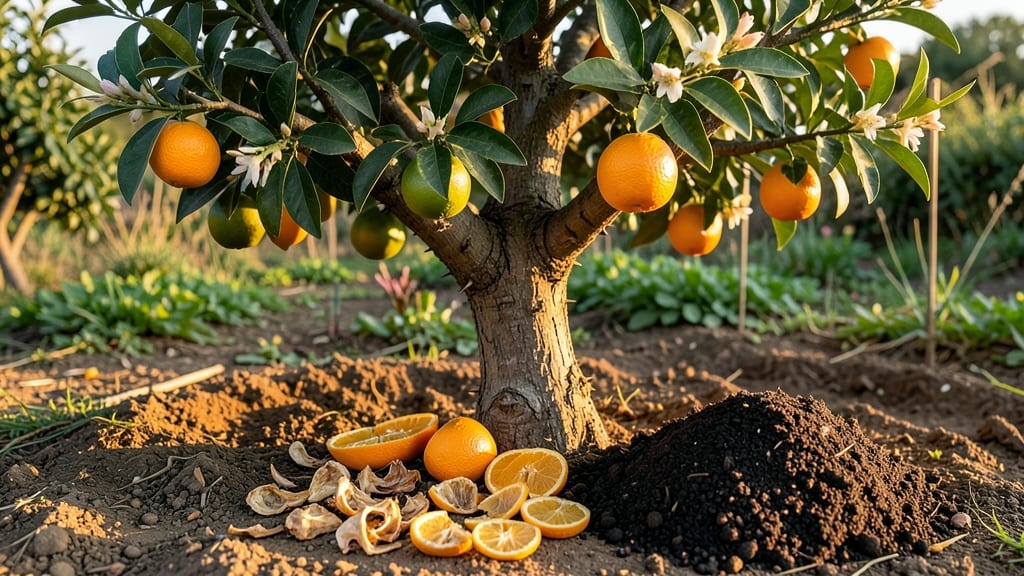
Using orange peels in your garden boosts soil fertility with natural potassium and phosphorus while naturally repelling pests like ants and slugs through their citrus oils. Just bury them or compost them for the best results.
Orange peels are more than kitchen scraps—they're a powerhouse for garden health. 🔥 The potassium and phosphorus in the peels break down slowly, feeding plant roots over time, while the natural oils (like limonene) confuse pests' scent trails, making your garden less inviting.
I've seen slug populations drop by nearly 50% just by scattering peels around vulnerable plants. For best results, chop them first to speed up decomposition, or blend with water for a concentrated pest-repellent spray.
This method works especially well when combined with other organic materials like coffee grounds or eggshells. The citrus scent also attracts beneficial insects like ladybugs, creating a balanced ecosystem.
Just avoid overdoing it—too many peels can make the soil too acidic for some plants. Start with a small batch and observe how your garden responds!
💡 In This Article
- How Orange Peels Improve Soil Fertility and Pest Control
- Practical Ways to Use Orange Peels in Your Garden
How orange peels improve soil fertility and pest control
Orange peels contain a nutrient goldmine for your garden, particularly potassium and phosphorus, which are essential for root development and flowering. A single medium orange peel contains approximately 0.2 grams of potassium and traces of phosphorus, breaking down slowly to feed plants over weeks.
The decomposition process also releases small amounts of nitrogen, though not enough to replace dedicated nitrogen sources like manure. This gradual nutrient release mimics natural forest floor conditions, where fallen citrus fruit enriches the soil organically.
The real magic happens in the soil's microbial ecosystem. When peels decompose, they create microenvironments that attract beneficial bacteria and fungi like Trichoderma species, which help break down organic matter further. These microbes also produce enzymes that convert complex citrus compounds into plant-available forms.
The process generates a slightly acidic environment (pH 5.5-6.5), which suits many garden plants while suppressing harmful pathogens. 🌱 What's fascinating is how the limonene oil in peels acts as a natural fungicide against soil-borne diseases like damping-off in seedlings.
For pest control, the citrus oils—particularly limonene (which makes up 90% of orange peel oil)—disrupt insects' olfactory systems. These compounds interfere with pests' ability to follow scent trails, making it harder for ants to locate food sources or slugs to find vulnerable plants.
Studies show limonene can repel up to 70% of aphids when used as a foliar spray, and its volatility means effects last for about 2-3 weeks before needing renewal. The scent also masks plant odors that attract pests, creating a natural camouflage effect.
There's a scientific reason why citrus peels work better than other fruit scraps: their thick, waxy rind slows decomposition, allowing nutrients to release gradually rather than all at once. This extended breakdown period provides a steady nutrient supply, unlike faster-decomposing materials that might lead to nutrient runoff.
The peels' fibrous structure also improves soil aeration as they break down, creating tiny air pockets that benefit root systems. 🔍 For maximum effectiveness, chop peels into ½-inch pieces before adding to soil—this increases surface area by 300%, accelerating nutrient release.
The limonene in orange peels has another hidden benefit: it acts as a natural insect growth regulator. When ants encounter citrus oils, they experience sensory confusion that disrupts their colony communication, leading to reduced foraging activity.
This effect is particularly noticeable with fire ants and pharaoh ants, which are repelled by concentrations as low as 0.5% limonene. The oils also deter fruit flies, which are naturally drawn to citrus but avoid areas where these compounds are present.
What most gardeners don't realize is that orange peels can actually improve soil structure over time. As they decompose, they contribute to humus formation, that dark, crumbly organic matter that enhances water retention and nutrient availability.
The process creates a sponge-like texture that holds moisture while allowing excess water to drain—ideal for preventing both drought stress and waterlogging. For container gardens, this means healthier roots and fewer issues with overwatering. 💫