
Lawn
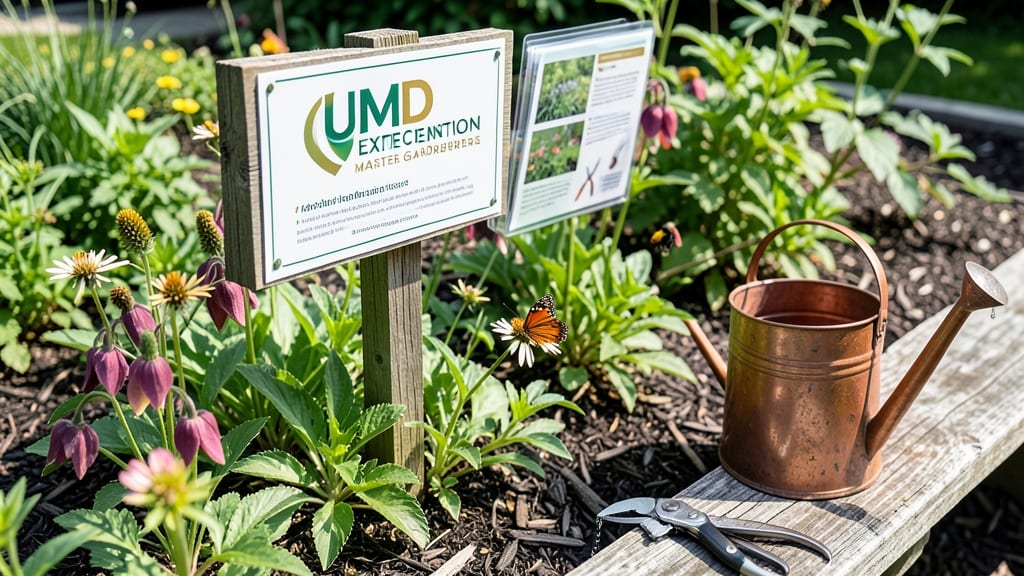
Maryland Master Gardeners are volunteer experts trained by the University of Maryland Extension who provide free gardening advice, lead community workshops, and support local ecosystems through education and hands-on projects. To join, complete a rigorous training program covering horticulture, pest management, and sustainable practices.
These volunteers transform gardening knowledge into actionable community support, tackling everything from pest management to native plant restoration. 🌱 The program's curriculum dives deep into Maryland-specific challenges, like managing invasive species or optimizing soil health for local climates.
What sets them apart is their hands-on approach—whether diagnosing plant diseases at county fairs or teaching kids about pollinator gardens, they bridge research with real-world impact.
Beyond the classroom training, volunteers must complete 40 hours of service within their first year and maintain 12 hours annually thereafter. This commitment ensures they stay current on best practices while giving back to their communities.
The program even offers specialized tracks, like vegetable gardening or urban landscapes, so volunteers can focus on their passions while making a difference.
💡 In This Article
- Maryland Master Gardener Training Program Details
- How to Apply for Maryland Master Gardener Certification
Maryland Master Gardener training program details
The Maryland Master Gardener program is designed to equip volunteers with science-based horticultural knowledge tailored to the state's unique ecosystems. The curriculum spans 40 hours of classroom instruction covering soil science, plant pathology, entomology, and sustainable landscaping—all taught by University of Maryland Extension specialists.
What makes this program stand out is its focus on Maryland-specific challenges, like managing emerald ash borer infestations or restoring native pollinator habitats. 🌿 The hands-on approach includes lab work (like diagnosing plant diseases) and field trips to demonstration gardens where volunteers learn firsthand about soil health and plant interactions.
One standout feature is the emphasis on integrated pest management (IPM), where volunteers learn to identify pests and diseases using microscopes and field guides.
For example, the program teaches how to distinguish between beneficial insects (like ladybugs) and harmful ones (such as Japanese beetles) by examining their physical characteristics under magnification.
The training also covers organic gardening techniques, including composting methods and mulching strategies that reduce water usage by 30-50%—a critical skill for Maryland's variable climate. 🔍
After completing the training, volunteers must fulfill 40 hours of service within their first year to earn certification. This requirement ensures they apply their knowledge in real-world settings, whether at community gardens, farmers' markets, or school programs.
The program doesn't stop there—certified Master Gardeners must complete 12 hours of continuing education annually to stay updated on the latest research, including new pest threats or climate-adaptive planting techniques. This commitment keeps volunteers at the forefront of sustainable gardening practices.
What sets Maryland's program apart is its regional flexibility. While the core curriculum remains consistent, local coordinators adapt content to address regional needs—like teaching volunteers in Western Maryland about managing forest edge ecosystems or helping Eastern Shore gardeners cope with saltwater intrusion.
This localized approach ensures volunteers can provide tailored advice to their communities. For instance, a Master Gardener in Baltimore might focus on urban gardening solutions, while one in Frederick County could specialize in fruit tree care for home orchards. 🌳
The certification process begins with an application that includes a background check and a $150 fee (though scholarships are often available). Once approved, volunteers attend weekly classes for 6-8 weeks, typically held in the spring.
The program also offers specialized tracks, such as vegetable gardening or native plant landscaping, allowing volunteers to deepen their expertise in areas they're passionate about. This structured yet flexible approach ensures volunteers gain both broad knowledge and specialized skills.
Beyond the technical training, the program fosters a strong sense of community. Volunteers often form study groups to prepare for exams and collaborate on projects, such as creating demonstration gardens or leading workshops at local libraries.
This network not only enhances learning but also provides ongoing support as volunteers tackle gardening challenges in their communities. The program's success is measurable—Maryland Master Gardeners have collectively contributed over 100,000 hours of service annually, making a tangible impact on local ecosystems and green spaces. 🌱