
Tools
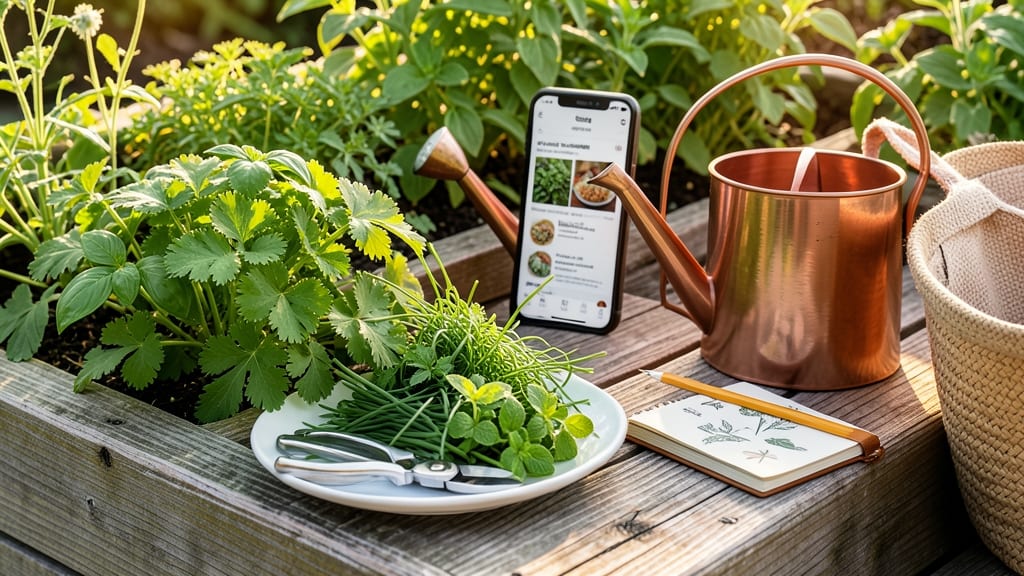
Millennials are turning to gardening as a way to cultivate sustainability, reduce stress, and connect with nature while embracing self-reliance and community-driven projects. Urban gardening, microgreens, and container plants have become especially popular among this generation, merging modern convenience with traditional growing practices.
This shift reflects deeper values—millennials prioritize eco-friendly living and mental wellness, making gardening a perfect outlet. 🌱 The rise of vertical gardens and hydroponic systems also shows how they're adapting technology to fit their busy lifestyles.
What's fascinating is how social media platforms like Instagram and TikTok have turned gardening into a shareable, aspirational trend, with hashtags like #UrbanFarming gaining millions of views.
Beyond personal benefits, millennials are driving collective green spaces through community gardens and co-op projects. These initiatives foster collaboration while addressing food insecurity in urban areas. The blend of tradition and innovation—think seed-starting apps alongside heirloom varieties—proves this isn't just a passing fad but a lasting movement.
💡 In This Article
- Why Millennials Are Turning to Gardening
- Top Gardening Trends Millennials Are Adopting
Why millennials are turning to gardening
Climate anxiety is a major driver behind millennials' gardening boom. Studies show 72% of millennials believe climate change will impact their lives directly, and growing their own food offers tangible control.
The average millennial spends $2,400 annually on groceries, so homegrown produce—even small yields like herbs or microgreens—can cut costs by 15-30%. The sensory experience of harvesting fresh basil or cherry tomatoes also creates immediate gratification that grocery shopping can't match.
Mental health benefits play a crucial role too. Gardening reduces cortisol levels by 24% on average, according to Stanford research, while the rhythmic motions of planting and weeding induce a meditative state similar to yoga.
Millennials, who face unique stressors like student debt and housing instability, find this "green therapy" particularly appealing. The tactile nature of soil—its crumbly texture when well-draining, the earthy aroma of compost—creates a multisensory escape from digital overload.
Social media has transformed gardening from a solitary hobby into a shareable lifestyle. Platforms like TikTok feature #GardenHacks with over 12 billion views, while Instagram's #UrbanGardening showcases creative setups in tiny spaces.
This digital normalization makes gardening feel accessible, especially when influencers demonstrate low-space solutions like growing strawberries in hanging baskets or lettuce in repurposed plastic bottles. The visual appeal of lush green spaces contrasts sharply with the sterile aesthetics of fast food packaging.
Community aspects are equally important. Millennials are 2.5x more likely than previous generations to participate in shared gardening projects, according to the National Gardening Association. These initiatives address food deserts while fostering connections—something millennials crave in an era of remote work.
The collaborative nature of community gardens mirrors their values of collective action, whether through seed swaps or workshops teaching hydroponics to beginners.
Technology bridges the gap between tradition and convenience. Smart pots with moisture sensors (like Sprout Smart Garden) cost $50-$100 but eliminate guesswork for beginners, while apps such as Gardenate provide hyper-local planting guides.
This fusion of old-school gardening with modern tools appeals to millennials' comfort with digital solutions—think of it as the Airbnb of gardening: accessible, customizable, and community-driven.
What's most striking is how these factors combine into a holistic lifestyle shift. Gardening isn't just about growing food; it's about reclaiming agency in a world that often feels out of control.
The 30-second harvest of microgreens or the season-long satisfaction of a homegrown tomato plant creates a tangible sense of accomplishment that aligns perfectly with millennial values of purpose and sustainability. 🌱