
Pests and Diseases
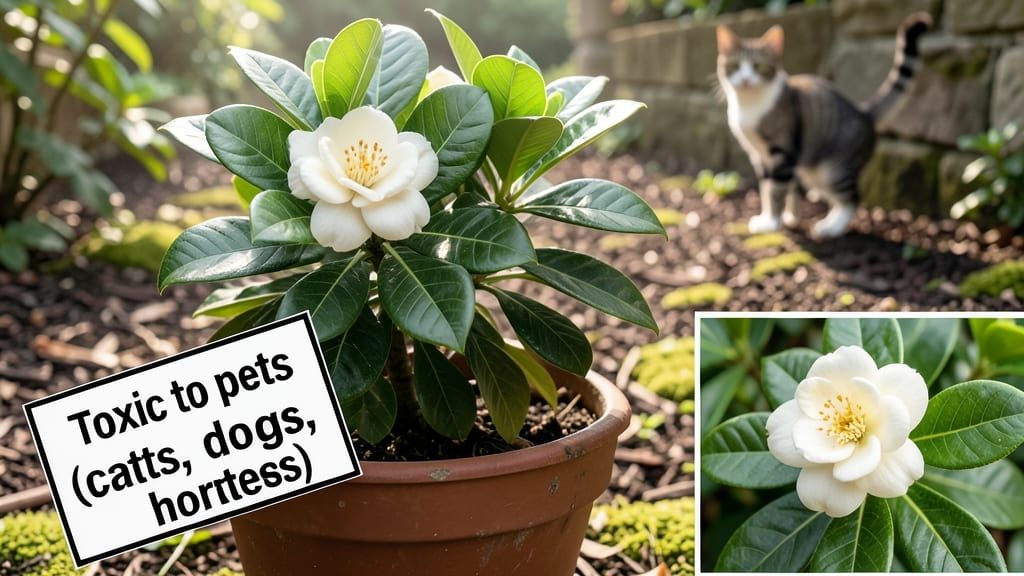
Are gardenias toxic? Yes, gardenias are toxic to pets and humans due to their leaves and flowers containing toxic compounds like saponins and grayanotoxins, which can cause vomiting, diarrhea, and drooling if ingested. Keep them out of reach of children and animals.
Gardenias contain two primary toxic compounds that pose risks: saponins, which irritate the digestive tract, and grayanotoxins, which affect the nervous system. 🌸 While humans may experience mild stomach upset, pets—especially dogs and cats—are far more vulnerable, often developing severe symptoms like lethargy or even cardiac issues.
The severity depends on how much is ingested, but even small amounts can be dangerous for animals. I always recommend placing gardenias in high shelves or hanging baskets to minimize accidental exposure.
If you suspect ingestion, contact your vet or poison control immediately. For humans, rinsing the mouth and drinking water can help, but professional medical advice is crucial. 💛 Consider non-toxic alternatives like jasmine or roses if you have curious pets or small children at home.
💡 In This Article
- Toxic Compounds in Gardenias and Their Effects
- Safe Gardening Practices with Gardenias
Toxic compounds in gardenias and their effects
Gardenias contain two primary toxic compounds that create serious health risks: saponins and grayanotoxins. Saponins are naturally occurring glycosides that create soapy lather when mixed with water, and they irritate mucous membranes in the digestive tract.
Grayanotoxins, on the other hand, are neurotoxins that disrupt nerve cell function, leading to muscle weakness and cardiovascular issues. 🌸 The concentration of these compounds is highest in the leaves and flowers—parts that pets and children are most likely to chew or ingest.
In pets, particularly dogs and cats, these toxins can cause symptoms within 30 minutes to 12 hours of ingestion. Dogs may show excessive drooling, vomiting, diarrhea, lethargy, or even seizures depending on the amount consumed.
Cats are especially vulnerable due to their smaller size—even a single leaf can trigger severe reactions. For humans, symptoms are generally milder but can still include nausea, stomach pain, or skin irritation if sap comes into contact with broken skin.
The severity of symptoms depends on dosage and species. A single gardenia leaf might cause mild vomiting in a human but could be deadly to a small dog. Grayanotoxins are particularly dangerous because they affect the sodium channels in nerve cells, leading to irregular heart rhythms in extreme cases.
This is why veterinarians often recommend activated charcoal to bind the toxins in pets' stomachs if ingestion occurs.
Interestingly, gardenias' fragrance comes from these same compounds—grayanotoxins contribute to their sweet, intoxicating scent. 💛 This dual nature makes them attractive to humans but hazardous to curious animals. The flowers' thick, waxy coating also makes them resistant to decomposition, increasing the risk of accidental ingestion over time.
Unlike some plants that lose toxicity when dried, gardenia leaves retain their harmful properties even after wilting.
Here's how the effects compare between species:
- Dogs: High sensitivity due to size; symptoms appear quickly (30 min-2 hours)
- Cats: Even small amounts can cause organ damage; delayed symptoms (up to 12 hours)
- Humans: Generally mild reactions unless large quantities are consumed
If you notice your pet chewing gardenia leaves, act immediately by rinsing their mouth and contacting your vet. For humans, washing the mouth and drinking water can help, but professional medical advice is always recommended for severe reactions. The key takeaway is that while gardenias are beautiful, their toxicity requires careful handling—especially in homes with pets or small children.