
Container Gardens
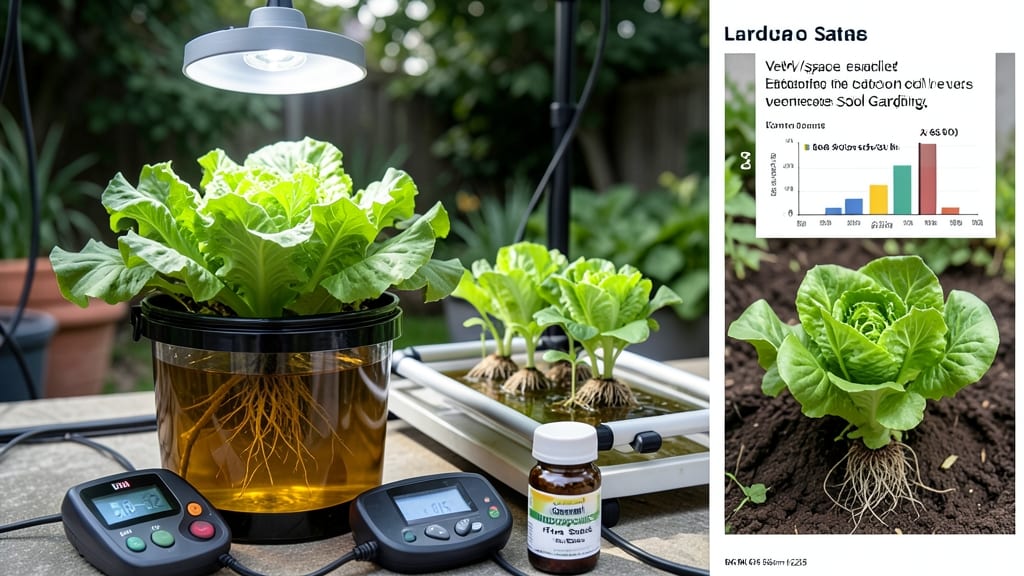
Hydroponic gardens are worth it for beginners if space is limited or yields matter most, as they produce faster growth, higher yields, and year-round harvests—but they require upfront costs, technical knowledge, and consistent maintenance compared to traditional soil gardening.
Hydroponics lets you grow plants 25-50% faster than traditional soil methods because roots absorb nutrients directly from water, eliminating nutrient competition. 🌱 This system also uses 90% less water and cuts fertilizer costs by up to 60%—ideal for small spaces like apartments or balconies.
However, the initial setup (lights, pumps, and nutrient solutions) can cost $200-$500, and troubleshooting pH levels or equipment failures requires patience. For those prioritizing efficiency over simplicity, hydroponics delivers serious results.
What sets hydroponics apart is its precision—you control every variable, from light cycles to nutrient ratios, creating optimal conditions for plants. For example, leafy greens like lettuce or herbs thrive in just 3-4 weeks versus 6-8 weeks in soil.
The trade-off? You'll need to monitor systems daily and invest in quality components to prevent failures. If you're willing to learn the ropes, the payoff in space savings and harvest consistency makes hydroponics a smart choice for dedicated growers.
💡 In This Article
- How Hydroponic Systems Boost Plant Growth and Efficiency
- Cost Breakdown: Hydroponic Setup vs Soil Gardening for Beginners
How hydroponic systems boost plant growth and efficiency
Hydroponics works by eliminating soil and delivering nutrients directly to roots through water. This method bypasses the natural competition plants face in soil for nutrients and water, allowing roots to absorb up to 10-20 times more oxygen than in traditional growing mediums. 🌱 The result?
Plants grow 25-50% faster—lettuce, for example, reaches harvestable size in just 3-4 weeks compared to 6-8 weeks in soil. This accelerated growth happens because hydroponic systems maintain perfect nutrient balance, unlike soil where nutrients can leach away or become locked up.
The controlled environment of hydroponics also eliminates variables like soil-borne diseases, pests, and nutrient deficiencies. You can tailor light cycles, humidity, and temperature to match each plant's needs precisely. For instance, tomatoes thrive under 14-16 hours of light daily at 70-80°F, while herbs prefer cooler conditions.
This precision reduces waste—water usage drops by 90% compared to soil gardening, and fertilizer costs plummet by up to 60% since nutrients aren't lost to runoff or soil absorption.
What's fascinating is how hydroponics changes plant structure. Without soil's resistance, roots grow denser and more fibrous, creating a stronger plant base. This structural improvement translates to higher yields—herbs can produce 3-5 times more per square foot than in soil, and tomatoes often bear 20-30% more fruit.
The trade-off is that this system demands vigilance; even a slight pH imbalance (ideal range: 5.5-6.5) can stunt growth or cause nutrient lockout.
For beginners, the biggest advantage is year-round growing capability. No more waiting for spring—hydroponic systems let you cultivate fresh greens in winter just as easily as summer. The downside?
You'll need to invest in quality components like LED grow lights (costing $100-$300) and a reliable water pump to maintain circulation. Without these, root rot or nutrient starvation becomes a real risk. The science is clear: hydroponics maximizes efficiency, but it requires active management to unlock its full potential.
Consider this comparison: A 5-gallon hydroponic bucket system can produce the same amount of basil as a 10-square-foot soil garden in half the time. That's a game-changer for urban gardeners or anyone with limited space.
The key is understanding that hydroponics isn't just about growing plants—it's about creating an optimized ecosystem where every resource is used precisely. For those willing to learn the system's nuances, the rewards in speed, yield, and sustainability are substantial.