
Planting
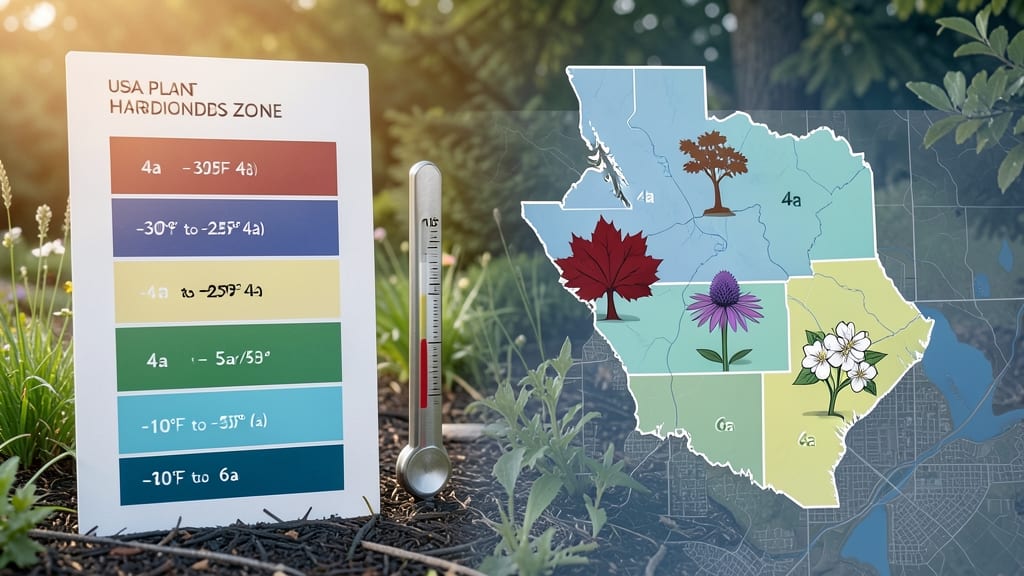
Michigan's gardening zones range from USDA Zone 4 in the Upper Peninsula to Zone 6 in the Lower Peninsula, creating distinct growing conditions across the state. These zones help gardeners time plantings and select cold-hardy varieties for success.
Michigan's varied geography—from the cold Upper Peninsula to the milder Lower Peninsula—creates these distinct gardening zones. 🌱 The Upper Peninsula's Zone 4 winters can drop below -20°F, while Zone 6 areas in the Lower Peninsula rarely see temperatures colder than 0°F.
This variation affects everything from frost dates to which plants thrive, with northern areas needing extra protection for tender species. Understanding your specific zone helps you choose the right plants and extend your growing season through techniques like row covers or mulching.
For example, hardy perennials like coneflowers and daylilies do well across all Michigan zones, while tender annuals like tomatoes may need to be started indoors in Zone 4 areas.
The USDA map provides a starting point, but local microclimates—like urban heat islands or lake-effect snow—can further refine what grows best in your backyard.
💡 In This Article
- Michigan’s USDA Plant Hardiness Zones Explained
- Best Plants for Michigan’s Gardening Zones
Michigan’s USDA plant hardiness zones explained
The Great Lakes and Michigan’s varied topography create dramatic temperature contrasts that shape its gardening zones. The Upper Peninsula’s rugged terrain and lake-effect snow push average winter lows to -20°F to -10°F, classifying it as Zone 4-5.
Meanwhile, the Lower Peninsula’s southern regions—protected by Lake Michigan’s moderating influence—reach Zone 6, where winters rarely dip below 0°F. This 10°F difference between zones translates to a 2-3 week variation in frost dates, critical for timing plantings.
Elevation plays a surprising role too. Northern Michigan’s higher elevations (like those near the Porcupine Mountains) can experience 5°F colder minimum temperatures than nearby valleys, creating microclimates where Zone 4 plants might struggle just a few miles away.
The USDA map’s 10°F temperature bands smooth these variations, but local gardeners often adjust by 1-2 zones based on their specific microclimate. For instance, Detroit’s urban heat island effect can make it feel like Zone 6b, while nearby rural areas might be Zone 6a.
These zone differences directly impact plant survival. Zone 4’s -30°F threshold means only the hardiest perennials (like crocus or Siberian bugloss) survive winter exposure, while Zone 6 allows tender plants like roses or peonies to thrive without winter protection.
The last spring frost date also shifts dramatically: Zone 4 areas average May 15, while Zone 6 zones can plant as early as April 20. This 3-week gap explains why northern gardeners must wait patiently while southern Michiganers enjoy extended growing seasons.
What most gardeners overlook is how these zones interact with soil conditions. Northern Michigan’s acidic, sandy soils (from glacial deposits) drain quickly, requiring different mulching strategies than the clay-rich, fertile soils of southern regions.
The Great Lakes’ wind patterns also create "frost pockets" where cold air settles—common in valleys—making these areas effectively 1 zone colder than surrounding hills. This is why some northern Michigan gardens in Zone 5a might need to treat their frost pockets like Zone 4b.
For practical application, consider these key takeaways: Zone 4 gardeners should focus on early-blooming perennials that finish growth before frost, while Zone 6 areas can experiment with late-season crops like kale or spinach.
The USDA Interactive Map (available at planthardiness.ars.usda.gov) lets you pinpoint your exact zone down to the nearest 5 miles, accounting for these microclimates. 🌡️
Advanced gardeners often use degree-day accumulators to fine-tune planting times beyond just zone numbers. These tools track how quickly your area reaches the 50°F threshold needed for plant growth, giving a more precise picture than static zone maps.
For example, a Zone 5 garden in northern Michigan might accumulate 1,200 growing degree days by July 1, while a southern Zone 5 garden could reach 1,500 days—explaining why some varieties thrive in one area but struggle just 100 miles away.