
Container Gardens
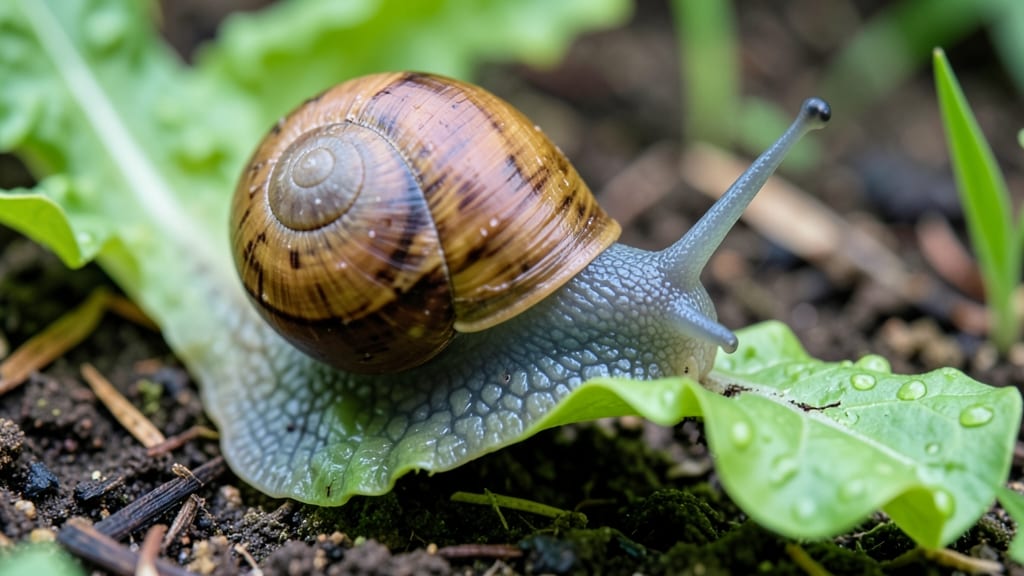
Snails are beneficial to gardens by breaking down organic matter into nutrient-rich compost, aerating soil, and controlling pests like slugs and aphids—but they also damage young plants and vegetables, requiring balanced management.
Snails act as nature’s recyclers by munching through fallen leaves, dead plants, and other organic debris, turning them into nutrient-rich compost that enriches your soil. 🌱 Their trails also aerate the ground, allowing roots to breathe better and water to penetrate deeper.
However, their love for tender shoots and leafy greens means they can wreak havoc on seedlings and young vegetables—especially in vegetable gardens. The key is creating a harmonious balance where their benefits outweigh their drawbacks.
For instance, if you’re growing a mix of hardy perennials and delicate annuals, snails might thrive on the latter while leaving the former untouched.
I’ve found that setting up small compost piles or mulch areas away from vulnerable plants can attract snails to those spots, giving your prized veggies a fighting chance. The goal is to leverage their soil-improving habits without letting them turn your garden into a salad bar.
💡 In This Article
- How Snails Improve Garden Soil and Ecosystems
- Balancing Snail Populations: Natural Control Methods
How snails improve garden soil and ecosystems
Snails play a crucial role in soil health by acting as natural decomposers. Their strong radula—a file-like tongue—grinds organic matter like fallen leaves, fruit peels, and dead plant stems into tiny fragments. This process accelerates the breakdown of materials that would otherwise take months to decompose naturally.
For example, a single garden snail (Cornu aspersum) can process about 0.05 grams of organic matter per day, which may seem small but adds up across a garden ecosystem.
Their movement also creates microscopic channels in the soil as they burrow, improving aeration and water drainage. These trails help roots access oxygen and nutrients more efficiently, similar to how earthworms till the soil.
Studies show that snail activity can increase soil porosity by up to 15% in areas with high organic matter, making the ground more fertile for plant growth. However, their feeding habits aren't always beneficial—young seedlings with tender stems are particularly vulnerable to their sharp teeth.
The real magic happens in nutrient cycling. As snails digest organic material, they excrete nutrient-rich castings that act like a slow-release fertilizer. These castings contain higher concentrations of nitrogen, phosphorus, and potassium than the original organic matter, providing essential nutrients for plants.
The trade-off? Their preference for fresh plant material means they'll target your lettuce or basil before they get to the compost pile. 🌱
Snails also contribute to pest control by preying on smaller garden pests. They'll consume soft-bodied insects like aphids, small caterpillars, and even the eggs of some butterflies, acting as a natural check on these populations.
This ecological balance is why many organic gardeners tolerate snails—they're part of a healthy garden food web. The challenge lies in protecting your most vulnerable plants while still benefiting from their soil-improving activities.
Consider this comparison: A garden with 50-100 snails per square meter might see improved soil structure but also significant damage to young plants, while a garden with 10-20 snails per square meter could benefit from their activities without noticeable harm.
The key is monitoring their populations and creating targeted habitats that attract them to beneficial areas while protecting your prized crops.
For those concerned about plant damage, the solution often lies in strategic placement. Creating designated "snail zones" with mulch piles or compost heaps away from vegetable beds can concentrate their activity where it's most beneficial.
This approach allows you to enjoy their soil-enriching benefits while minimizing their impact on your harvest. 🌿