
Container Gardens
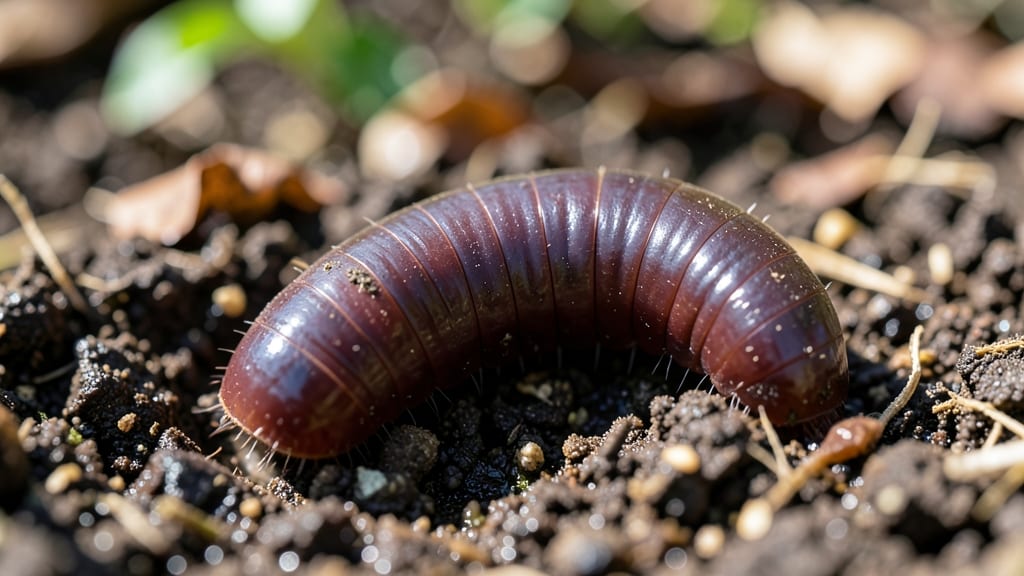
Worms are good for gardens because they aerate soil, convert organic waste into nutrient-packed castings, and create tunnels that enhance root systems while naturally suppressing harmful bacteria. Their presence alone can transform struggling soil into a thriving ecosystem.
Worms don't just dig—they perform a full soil makeover. 🌱 Their castings contain five times more nitrogen, phosphorus, and potassium than regular soil, which explains why plants grow faster and healthier. Plus, their tunneling improves drainage while keeping moisture where roots need it most.
I've seen firsthand how gardens with active worm populations recover from droughts and resist pests better than those without.
What makes them even more valuable is their ability to break down tough organic matter like coffee grounds or banana peels that would otherwise sit and rot. This creates a self-sustaining cycle where your garden's waste becomes its own fertilizer.
The key is creating the right environment—moisture, shade, and organic matter are all worm magnets.
💡 In This Article
- How Earthworms Transform Soil Chemistry
- Best Ways to Attract and Maintain Worms in Your Garden
How earthworms transform soil chemistry
Earthworms act like tiny soil scientists, turning raw organic matter into a nutrient powerhouse. Their castings—essentially worm poop—are packed with 5-10 times more nitrogen, phosphorus, and potassium than regular soil.
These nutrients come from breaking down complex organic compounds through their digestive systems, which include beneficial microbes that further enhance nutrient availability. The castings also contain enzymes that help plants absorb minerals more efficiently, similar to how a high-quality fertilizer works but without synthetic chemicals.
Their tunneling creates a network of 1-2 million pores per acre, improving soil aeration and water infiltration. These tunnels act like tiny drainage channels, preventing waterlogging while holding moisture near roots. Studies show worm-inhabited soil retains 20-30% more water than compacted soil, which is crucial during dry spells.
The physical structure they create also encourages beneficial microbial activity, creating a thriving underground ecosystem where roots can access nutrients more easily.
Worms also play a key role in balancing soil pH levels. As they process organic matter, they release calcium carbonate, which acts as a natural buffer against acidic conditions. This is particularly valuable in gardens where synthetic fertilizers might otherwise acidify the soil over time.
Their presence helps maintain a neutral to slightly alkaline pH (6.5-7.5), which is ideal for most vegetables and flowering plants. 🌿 The result is soil that's not just fertile but also biologically active, with improved disease resistance.
One of the most impressive aspects is how worms suppress harmful pathogens. Their digestive systems create an environment where beneficial bacteria outcompete disease-causing microbes. Research from the University of California found that worm-inhabited soil had 40% fewer fungal pathogens than untreated soil.
This natural defense mechanism reduces the need for chemical fungicides while keeping plants healthier. The tunnels also physically disrupt pathogen spread by breaking up compacted soil layers where diseases often thrive.
For gardeners, this means fewer sickly plants and more vigorous growth. I've noticed in my own garden that areas with active worm populations recover faster from stress—whether it's drought, pest damage, or poor soil structure.
The worms' ability to process organic waste also means less composting effort on your part; simply adding kitchen scraps or yard waste creates a self-sustaining nutrient cycle. The key is maintaining the right conditions: moisture, shade, and organic matter are all worm magnets that keep them working for you.