
Pests
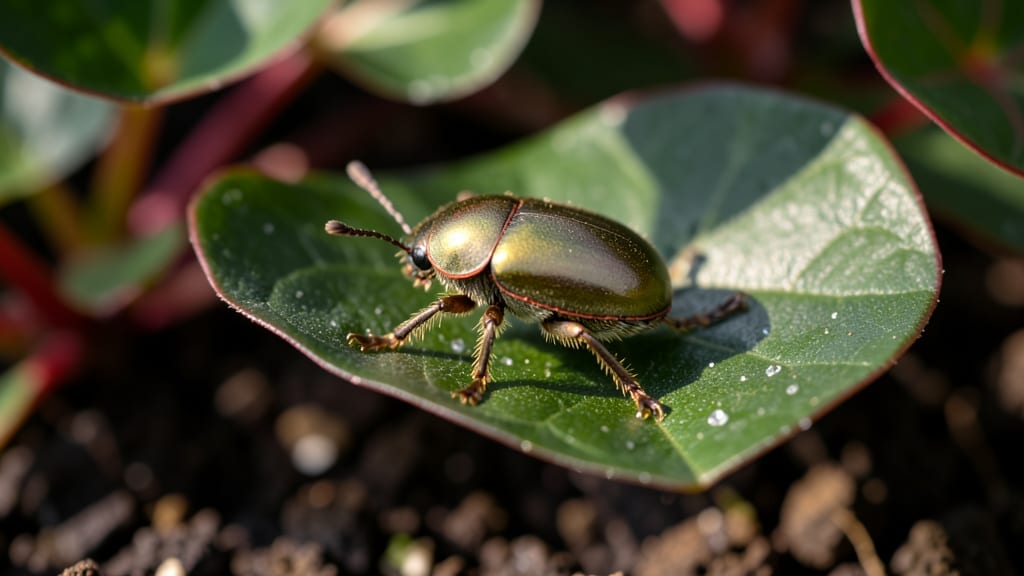
The Asiatic garden beetle is a sneaky, destructive pest that can turn your 🥕 General Vegetables (Susceptible to Asiatic Garden Beetle) into Swiss cheese overnight.
If you’ve ever spotted jagged holes in your leaves or noticed grayish grubs tunneling through the soil, you’re not alone—this beetle thrives in Zone 6 gardens like yours, peaking in late spring and summer.
But here’s the good news: knowing their life cycle and a few smart control methods can save your harvest before the damage spreads.
Below, I’ll walk you through identifying each stage (larvae, adults, and eggs), the best organic defenses, and when to strike for maximum impact—so you can protect your garden without harsh chemicals.
Asiatic garden beetle life cycle: from egg to adult in 6 stages
Understanding the Asiatic garden beetle life cycle is key to protecting your garden before damage escalates. These pests go through six distinct stages, each offering a window for intervention. By recognizing their seasonal patterns, you can predict outbreaks and implement control measures at the right time.
This beetle's life cycle typically spans 1 year, with eggs hatching in early summer and adults emerging by late summer. The most destructive phase? The larval stage, where they feast on roots underground. Knowing when each stage occurs helps you time your defenses effectively.
Stage 1: Eggs are laid in late May to June in clusters of 20-30 near plant roots. These tiny, oval eggs are 0.04 inches long and pale yellow. They hatch in 7-14 days, releasing voracious larvae that will wreak havoc on your garden's roots.
Stage 2: Larvae (Grubs) emerge as grayish-white, C-shaped grubs with brown heads. They measure 1-1.5 inches long at maturity and feed on roots for 6-8 weeks (June-August). This is the most damaging phase for your plants.
Stage 3: Pupae form in late August to September when larvae burrow deeper into soil. These brown, immobile pupae measure about 0.5 inches long and develop into adults in 2-3 weeks. This stage is less visible but critical for predicting adult emergence.
When adults emerge in late August to September, they're ready to feed on foliage. These dark brown beetles, about 0.3-0.4 inches wide, chew irregular holes in leaves. They only live 4-6 weeks but lay 20-30 eggs each before dying in winter.
The final stage is overwintering, where adults or larvae survive in soil until next spring. This dormant phase lasts 10+ months (October-May) and explains why infestations seem to reappear annually. Disrupting this cycle through fall tillage or solarization can reduce next year's population.
Timing is everything with Asiatic garden beetles. By recognizing these <
Natural control methods for Asiatic garden beetles: chemical-free solutions
When Asiatic garden beetles strike, your first instinct might be to reach for chemical sprays—but there are far more effective, eco-friendly alternatives that protect your 🥕 vegetables without harming pollinators or soil health. These beetles thrive in Zone 6 gardens, but with the right strategies, you can outsmart them naturally.
My go-to methods focus on disrupting their life cycle early, using tools like neem oil, beneficial nematodes, and physical barriers. The key is acting fast—once larvae burrow into the soil, they’re harder to remove. Let’s dive into the most powerful chemical-free solutions that actually work.
Natural Control Methods for Asiatic Garden Beetles
Remove beetles by hand during early morning or evening when they’re sluggish. Drop them into soapy water.
✅ Fast, zero-cost method
✅ Works for visible adults only
Spray 1% neem oil on leaves and soil to disrupt feeding and repel eggs. Reapply every 5–7 days.
✅ Systemic protection
✅ Safe for pollinators when dry
Apply Steinernema carpocapsae nematodes to soil to kill larvae. Best in evening when soil is moist.
✅ Targets hidden larvae
❌ Requires moist soil
Plant garlic, onions, or marigolds near susceptible crops to mask plant scents and repel beetles.
✅ Long-term prevention
✅ Enhances garden biodiversity
Use lightweight fabric over plants to block adults while allowing sunlight and water through.
✅ Physical barrier
❌ May reduce pollination
Sprinkle food-grade DE around plant bases to dehydrate larvae. Reapply after rain.
✅ Non-toxic
❌ Loses effectiveness when wet
For immediate results, I recommend combining handpicking with neem oil—this dual approach tackles both adults and eggs before they hatch. If you’ve already spotted C-shaped larvae in the soil, beneficial nematodes are your best bet to eliminate them underground.
Don’t overlook companion planting either. Marigolds, for example, release compounds that naturally repel beetles while attracting predatory wasps. Plant them alongside your 🥕 vegetables in early spring to create a protective buffer zone.
Pro tip: Time your treatments for late afternoon when beetles are least active. A quick spray of neem oil or a nematode application then gives the product time to work overnight without harming bees or other beneficial insects.
Consistency is key—Asiatic garden beetles don’t disappear in one treatment. Rotate methods every 2–3 weeks to prevent resistance, and always monitor soil moisture (nematodes need damp conditions to thrive). With patience and these strategies, you’ll reclaim your garden without resorting to harsh chemicals.
🌱