
Tools
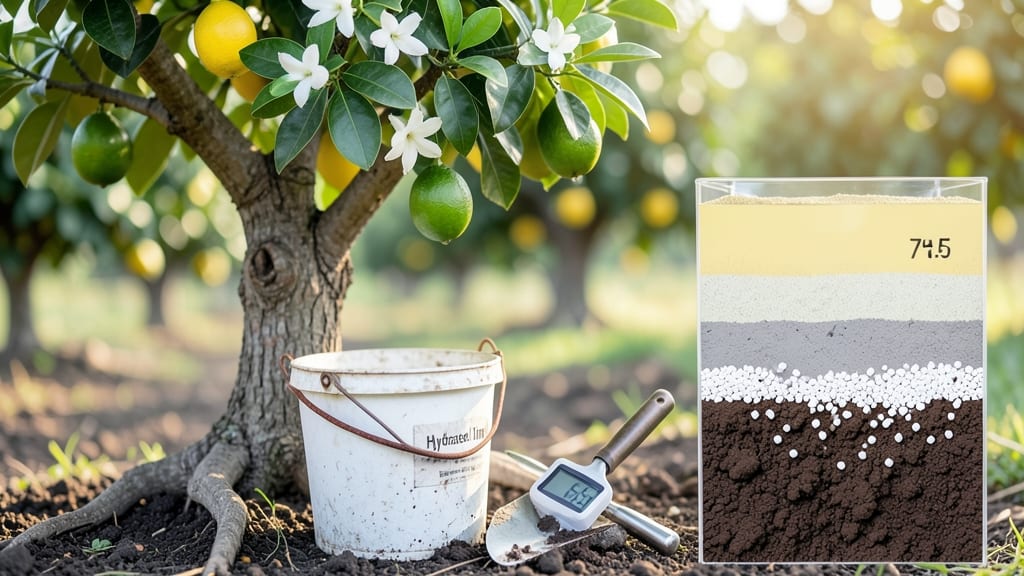
Lime in gardening is used to raise soil pH levels, neutralizing acidity in clay or sandy soils for acid-sensitive plants like blueberries, azaleas, and vegetables. It also deters pests like slugs and snails while enhancing soil structure and nutrient absorption for stronger plant growth.
Lime works its magic by releasing calcium and magnesium when mixed with soil, which chemically binds to acidic compounds like aluminum and hydrogen ions. 🌱 This process not only raises pH but also loosens compacted soil, allowing roots to access water and nutrients more efficiently.
I've seen dramatic improvements in vegetable gardens where the soil was too acidic—tomatoes and peppers suddenly thrived after just one application. The key is testing your soil first, since over-limeing can create its own problems by making nutrients like iron and manganese unavailable.
Beyond pH adjustment, lime acts as a natural pest deterrent by creating an inhospitable environment for slugs and snails. The gritty texture and altered soil chemistry make it harder for these pests to move or feed.
For best results, apply lime in early spring before planting or in fall after harvest, giving it time to integrate fully into the soil. Pairing it with organic matter like compost creates a balanced ecosystem where plants can flourish without chemical interventions.
💡 In This Article
- How Lime Adjusts Soil pH for Optimal Plant Growth
- Practical Uses of Lime for Pest Control and Soil Health
How lime adjusts soil pH for optimal plant growth
Lime works by introducing alkaline compounds that chemically neutralize acidic soil. When you apply calcium carbonate (the most common form) or dolomitic lime (which adds magnesium), these minerals react with hydrogen ions in the soil. This reaction produces water and carbon dioxide, effectively raising the pH level.
For example, adding 5 pounds of lime per 100 square feet can raise soil pH by 1-2 points over a few months, depending on your soil type. Sandy soils respond faster than clay because their particles are larger and less dense.
The ideal pH range varies by plant: blueberries thrive in 4.5-5.5, while most vegetables prefer 6.0-7.0. Acid-loving plants like azaleas and gardenias need regular lime applications to prevent nutrient deficiencies, particularly iron chlorosis (yellowing leaves) caused by locked-up micronutrients.
The magic happens at the molecular level—lime disrupts toxic aluminum compounds that form in acidic conditions, freeing up essential nutrients for plant roots to absorb.
One common misconception is that all lime works the same way. Dolomitic lime adds both calcium and magnesium, which is beneficial for soils deficient in magnesium (like sandy soils), while agricultural lime (calcium carbonate) focuses solely on pH adjustment.
For container gardens, use 1-2 teaspoons per gallon of potting mix—too much can create a crust that prevents water penetration. The texture changes too: acidic soil feels gummy when wet, while limed soil becomes crumbly and well-aerated, almost like freshly tilled garden soil.
Timing matters for maximum effectiveness. Apply lime in early spring or fall when soil temperatures are moderate (50-70°F) to allow proper integration. Over-limeing can create its own problems by making phosphorus and micronutrients unavailable, so always test your soil first.
I've seen gardeners double their tomato yields after liming acidic soil—suddenly, the plants developed deep green leaves and set fruit more reliably. The transformation happens gradually, but the long-term benefits for soil structure and plant health are undeniable.
Beyond pH adjustment, lime improves soil structure by encouraging microbial activity. Beneficial bacteria and fungi thrive in slightly alkaline conditions, breaking down organic matter more efficiently. This creates a self-sustaining cycle where plants access nutrients more easily, and the soil remains loose and well-draining.
The visual difference is striking: limed soil holds its shape when squeezed but crumbles easily, unlike compacted acidic soil that stays clumped together.
For acid-loving plants that need occasional liming, consider using pelletized lime which dissolves slowly over time. This gives you more control over pH adjustments without risking sudden shifts. The key is balance—think of lime as a tool to create the perfect growing environment, not a cure-all.
When used correctly, it transforms struggling plants into thriving ones, all while working with nature rather than against it.