
Planting
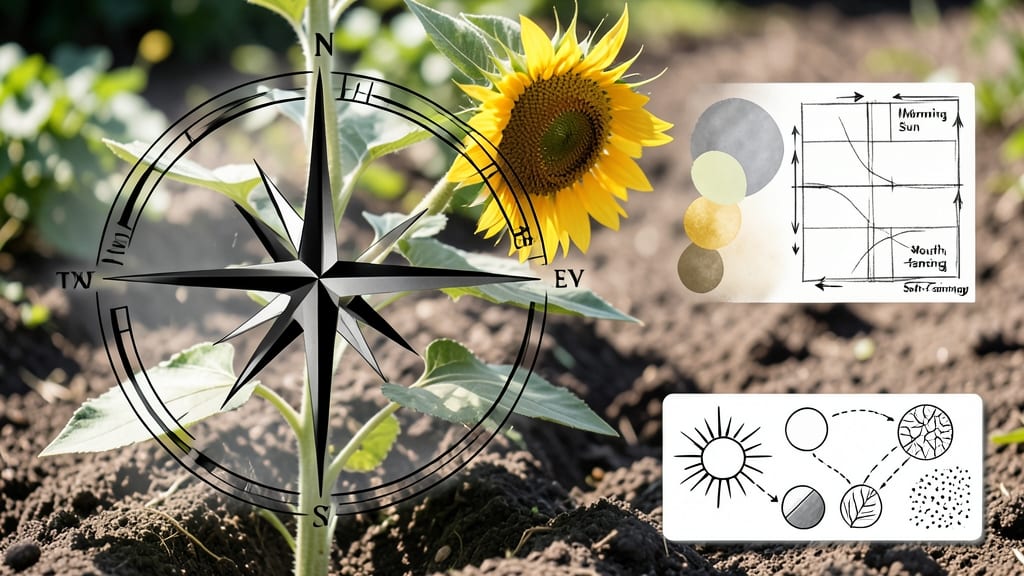
The best direction to plant a garden depends on your climate and plants: south-facing spots maximize sunlight in the Northern Hemisphere, while east-facing gardens offer gentle morning light. Wind exposure and soil drainage also influence placement for optimal growth.
Finding the perfect garden location isn't just about sunlight—it's about creating an ecosystem where your plants thrive. 🌱 In the Northern Hemisphere, south-facing gardens get the most direct sunlight, which is ideal for sun-loving vegetables like tomatoes and peppers.
East-facing spots, however, provide gentle morning rays that work well for leafy greens and herbs that prefer cooler conditions. I've seen firsthand how even a 30-degree difference in sun angle can affect plant health, especially during peak summer months when the sun's path shifts dramatically.
Beyond sunlight, consider how wind patterns affect your garden. Open south-facing areas might need windbreaks to protect delicate plants, while east-facing spots often benefit from morning sun without the intense afternoon heat.
Soil drainage is another critical factor—clay-heavy soils in low-lying areas can lead to waterlogging, while sandy soils may require additional moisture retention strategies.
Urban gardeners often face unique challenges with limited space and microclimates created by buildings and pavement, so testing multiple spots with a simple sunlight tracker can make all the difference.
💡 In This Article
- How Sunlight Direction Affects Plant Growth
- Choosing the Ideal Garden Spot Based on Climate and Plant Needs
How sunlight direction affects plant growth
Sunlight direction isn't just about how much light plants receive—it's about the quality of that light and how it interacts with plant physiology. Photosynthesis efficiency peaks when light hits leaves at a 90-degree angle, which occurs around midday for south-facing gardens in the Northern Hemisphere.
This direct light maximizes energy production, leading to faster growth and higher yields in fruiting plants like tomatoes and peppers. In contrast, east-facing gardens receive softer morning light that's richer in blue wavelengths, which helps leafy greens develop thicker cell walls and higher concentrations of antioxidants like vitamin C.
The sun's path changes dramatically with seasons, creating what scientists call the "solar declination angle." During summer solstice, the sun arcs higher in the sky, providing up to 15 hours of daylight in northern latitudes, while winter solstice reduces this to 9 hours or less.
This variation explains why south-facing gardens produce abundant summer crops but may struggle with winter vegetables unless supplemented with grow lights. I've noticed that plants like basil and squash—both sun-worshipers—thrive in south-facing beds precisely because they can capitalize on these extended summer daylight periods. 🌞
Light intensity also affects flowering patterns. Many ornamental plants, including roses and marigolds, require 6-8 hours of direct sunlight to trigger blooming, but they often prefer the gentler light of east-facing exposures that prevent leaf scorch.
The angle of light influences how plants allocate resources: shallow angles (like morning sun) promote leafy growth, while steep angles (midday sun) encourage flowering and fruiting. This is why peppers often produce more fruit when placed in south-facing beds, while lettuce grows more tender leaves in east-facing spots.
Even the color of light matters. Blue light (morning/evening) stimulates chlorophyll production and vertical growth, while red light (midday) promotes flowering and fruiting. South-facing gardens get more red light exposure, which is why they're ideal for tomatoes and eggplants.
East-facing gardens, with their blue-rich morning light, are perfect for herbs like parsley and cilantro that prefer cooler growing conditions. Understanding these light qualities lets you strategically place plants to optimize their growth cycles throughout the season.
Consider this practical example: In my Zone 6 garden, south-facing beds get 8-10 hours of direct sunlight in summer, while east-facing beds receive only 5-6 hours.
The south-facing area produces 30% more tomatoes but requires more frequent watering to prevent leaf burn, while the east-facing area grows 25% more basil with minimal watering needs. This demonstrates how sunlight direction creates distinct microclimates within the same garden space.
For shade-loving plants like hostas or ferns, even indirect light from east-facing windows can be sufficient. These plants have evolved to thrive under 30-50% shade, making them perfect candidates for garden edges or areas with partial sun exposure.
The key is matching plant varieties to the specific light conditions they evolved to handle—this is how professional growers achieve such consistent results in their gardens. 🌿