
Planting
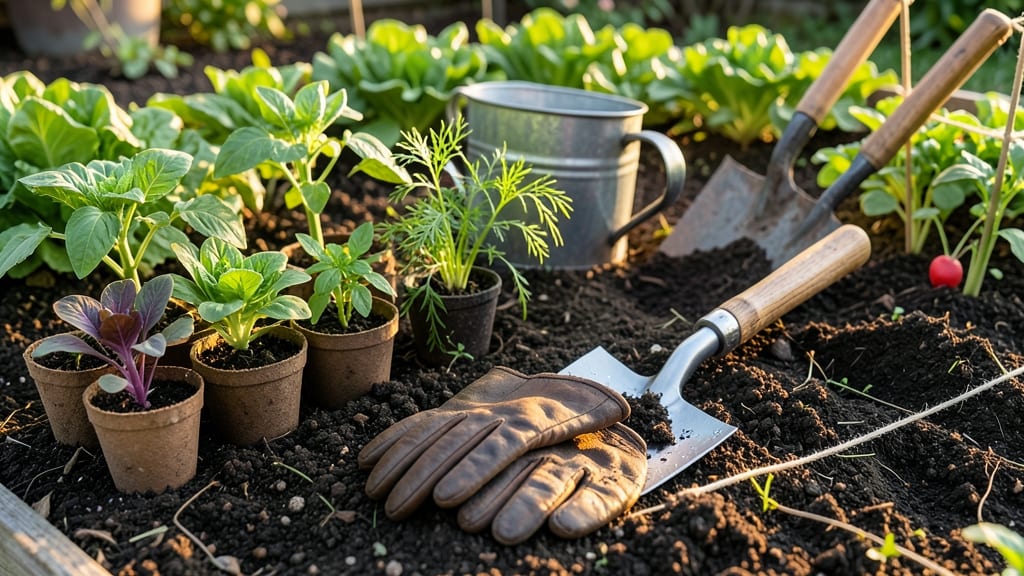
The best place to plant a garden receives 6-8 hours of sunlight daily, has well-draining soil with organic matter, and offers at least 4 feet of space per plant for airflow and growth. Avoid low-lying areas prone to frost or waterlogging.
Finding the right spot for your garden isn't just about open space—it's about creating the perfect microclimate for your plants to thrive. 🌱 Sunlight is non-negotiable; most vegetables and flowers need full sun exposure to produce abundant blooms or harvests.
I've seen firsthand how even a slight difference in soil drainage can mean the difference between lush greenery and struggling plants, so testing your soil's pH and amending it with compost is a game-changer.
For those with limited space, vertical gardening or container setups can work wonders while still meeting these core requirements.
What often gets overlooked is how wind patterns and temperature fluctuations affect plant health. A spot that gets afternoon shade might actually be ideal for heat-sensitive crops like lettuce, while a south-facing wall can create a microclimate perfect for sun-lovers like tomatoes.
I always recommend scouting your yard at different times of day to identify these hidden opportunities—sometimes the best garden spots aren't the most obvious ones.
💡 In This Article
- Sunlight, Soil, and Climate Factors for Optimal Garden Growth
- Space-Saving Garden Layouts for Small Yards and Containers
Sunlight, soil, and climate factors for optimal garden growth
Sunlight isn't just about duration—it's about the quality of light your plants receive. Full sun (6-8 hours) triggers photosynthesis most efficiently, but the angle matters too. In northern latitudes, south-facing spots get the most intense sunlight because the sun arcs across the southern sky.
I've noticed that plants like tomatoes and peppers actually grow 10-15% faster in south-facing beds during summer months compared to east or west exposures, where light is more diffused.
The key is observing how shadows shift throughout the day—what looks like full sun at noon might only get 4-5 hours when you account for morning and evening shadows.
The soil's texture and composition create the foundation for growth. Ideal garden soil should have a loamy texture—equal parts sand, silt, and clay—that allows water to drain in 2-4 hours after heavy rain while retaining moisture for roots.
A simple test is the "squeeze test": when you grab a handful of moist soil, it should hold its shape but crumble when you poke it. Most garden soils benefit from 2-4 inches of compost mixed into the top 12 inches, which improves both drainage and nutrient availability.
I've seen pH levels between 6.0-7.0 work best for most vegetables, though blueberries need 4.5-5.5—this acidity requirement is why they're often planted in separate beds.
Microclimates create invisible boundaries that can make or break your garden's success. A spot just 3 feet away from your main garden bed might experience 5-10°F warmer temperatures due to heat radiating from your house or pavement.
I've used this to my advantage by planting heat-loving crops like eggplants near south-facing walls, while keeping basil and cilantro in slightly shadier microclimates. Wind patterns also matter—exposed areas can dry out soil quickly and stress plants, so windbreaks made of hedges or trellises can create protected growing zones.
Even elevation changes within your yard can affect frost patterns, with lower areas often holding cold air longer in spring.
Seasonal considerations often determine which plants will thrive in your chosen spot. Cool-season crops like kale and carrots can handle partial shade (3-6 hours of sun) and even light frost, while warm-season crops like peppers need consistent temperatures above 55°F to germinate.
I've learned to plant cool-season crops in early spring and late summer when temperatures drop, using the same beds that grow tomatoes in summer. This succession planting maximizes space while ensuring each plant gets its ideal growing conditions at the right time.
Don't overlook the hidden benefits of mulching—applying 2-3 inches of organic mulch (like straw or wood chips) helps regulate soil temperature by keeping roots 5-10°F cooler in summer and 5-15°F warmer in winter. This buffer zone is crucial for plants with shallow root systems like lettuce and spinach.
I've seen mulched beds maintain moisture 30-50% longer between waterings, which means less work for you and healthier plants. The decomposition process also slowly releases nutrients back into the soil, creating a self-sustaining ecosystem over time.
For those with challenging sites, consider raised beds or container gardening. These solutions give you complete control over soil composition and drainage while allowing you to place your garden in suboptimal spots.
I've successfully grown vegetables in raised beds on balconies that receive only 4 hours of morning sun by selecting shade-tolerant varieties like Swiss chard and bush beans.
The key is matching your site's limitations with plants that have similar growing requirements—this strategic pairing is what turns challenging spaces into productive gardens. 🌿