
Tools
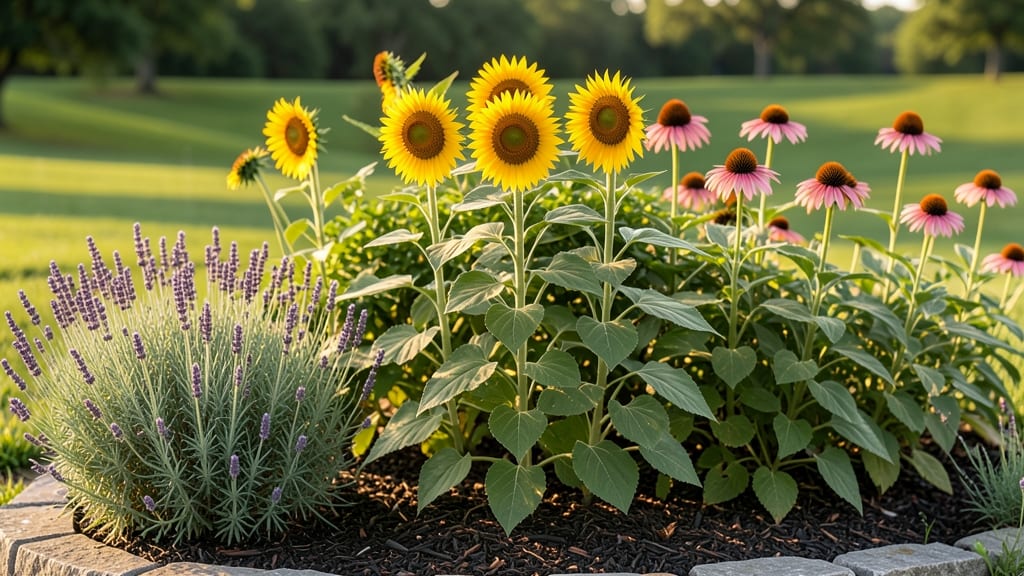
The best place for a garden depends on sunlight, soil, and space—but even a small yard can become a thriving green oasis with the right approach. Ever stared at your backyard and wondered why your plants just won’t grow?
It might not be your green thumb; it could be the location. Too much shade, poor drainage, or even the wrong wind exposure can turn a dream garden into a frustrating experiment.
Sunlight is the most critical factor, but it’s not as simple as "more is better." Some plants, like tomatoes and peppers, crave 6+ hours of direct sun, while others thrive in dappled shade. Soil quality matters just as much—compacted clay or sandy loam can make or break your harvest.
And let’s not forget space: a cramped urban plot demands creativity, while a rural acreage offers room for raised beds, trellises, and even microclimates.
Here’s the good news: with a few key observations—like tracking sunlight patterns or testing soil drainage—you can turn even a tricky spot into the best place for a garden.
I’ll walk you through how to assess your yard, avoid common pitfalls, and maximize every square foot, whether you’re working with a balcony, a backyard, or a full-acre lot.
Ready to stop guessing and start growing? Let’s uncover the secrets to a location that makes your garden flourish instead of struggle.
Sunlight requirements for different plants: how to pick the perfect garden spot
Choosing the best place for a garden starts with understanding your plants' sunlight needs. Not all greens thrive in the same light—while tomatoes bask in full sun, ferns prefer full shade.
Misjudging sunlight can lead to stunted growth or even plant death, so let’s decode the sunlight spectrum for your garden’s success.
Most gardeners overestimate shade, thinking their yard gets more indirect light than it actually does. To avoid this, I recommend sun path mapping: mark your yard’s sun exposure at different times of day for a week.
Use a sunlight tracker app or simply observe how shadows move. This simple step reveals microclimates—areas where sunlight behaves differently due to trees, buildings, or slopes.
Here’s the sunlight breakdown you need to know: full sun (6+ hours), partial shade (3-6 hours), and full shade (less than 3 hours). Each category supports different plants, from sun-loving tomatoes and peppers to shade-tolerant hostas and ferns. Let’s explore how to match plants to their ideal light conditions.
| Plant Type | Sunlight Needs | Water Needs | Mature Size | Harvest Time |
|---|---|---|---|---|
| Vegetables (Tomatoes, Peppers, Cucumbers) | Full Sun (6-8+ hours) | High (1-2 inches/week) | 2-6 ft tall | 60-90 days |
| Herbs (Basil, Oregano, Thyme) | Full Sun to Partial Shade (4-6 hours) | Medium (1 inch/week) | 1-3 ft tall | 30-60 days |
| Flowers (Sunflowers, Marigolds, Petunias) | Full Sun (6+ hours) | Medium-High (1-1.5 inches/week) | 1-8 ft tall | 45-120 days |
| Shade Plants (Hostas, Ferns, Impatiens) | Full Shade (Less than 3 hours) | Low-Medium (0.5-1 inch/week) | 1-3 ft tall | Varies (foliage year-round) |
| Vertical Gardens (Clematis, Ivy, Pole Beans) | Partial Shade to Full Sun (3-8 hours) | Medium (1 inch/week) | 5-20 ft tall | 60-180 days |
If your yard lacks natural full sun spots, don’t despair! You can optimize sunlight with reflective surfaces like white gravel or light-colored walls, which bounce light onto plants. For vertical gardens, trellises and wall-mounted
Soil and space secrets: what makes a garden location truly ideal?
Beyond sunlight, the best place for a garden depends on soil health and space efficiency. Poor drainage or compacted soil can stunt growth, while clever space planning maximizes yield. I’ve learned that even a small urban plot can outperform a neglected rural yard if you optimize these hidden factors.
Start with a soil drainage test—dig a 12-inch hole, fill it with water, and time how long it takes to drain. If water lingers beyond 6 hours, your soil needs amending with sand or organic matter.
A pH balance check (using a simple test kit) reveals whether your plants will thrive or struggle—most vegetables prefer a neutral 6.0-7.0 pH.
🌱 Pros & Cons: Urban vs. Rural Garden Locations
- Pros: Easy access to water, less wildlife interference, community support
- Cons: Soil pollution (check lead levels), limited space, higher costs for containers
- Pros: Natural soil, more space, lower costs, fewer pests
- Cons: Wildlife (deer, rabbits), erosion risks on slopes, limited water access
Slope management is another game-changer. On graded terrain, use contour planting or terracing to prevent erosion and water runoff. For steep slopes, raised beds (filled with lightweight soil) are ideal—they improve drainage and reduce compaction.
I’ve seen slopes transformed into thriving gardens by adding swales (shallow trenches) to capture rainwater.
Space utilization often decides success. Raised beds (3-4 ft wide) let you grow more in less space, while vertical gardening (trellises, wall planters) maximizes vertical real estate. In my own urban backyard, I doubled my tomato yield by training vines up a trellis instead of letting them sprawl.
Hidden challenges like pollution (common in cities) or pet interference (digging dogs, grazing goats) can derail even the best-laid plans. Test soil for contaminants if you’re near roads or industrial areas, and use physical barriers (chicken wire, fencing) to protect young plants from curious critters.
Finally, consider seasonal shade patterns. A spot that’s sunny in summer may become shaded in winter due to tree growth. I always scout locations at different times of day—morning sun behaves differently than afternoon heat, and plants like lettuce prefer gentle morning light over harsh midday rays.