
Planting
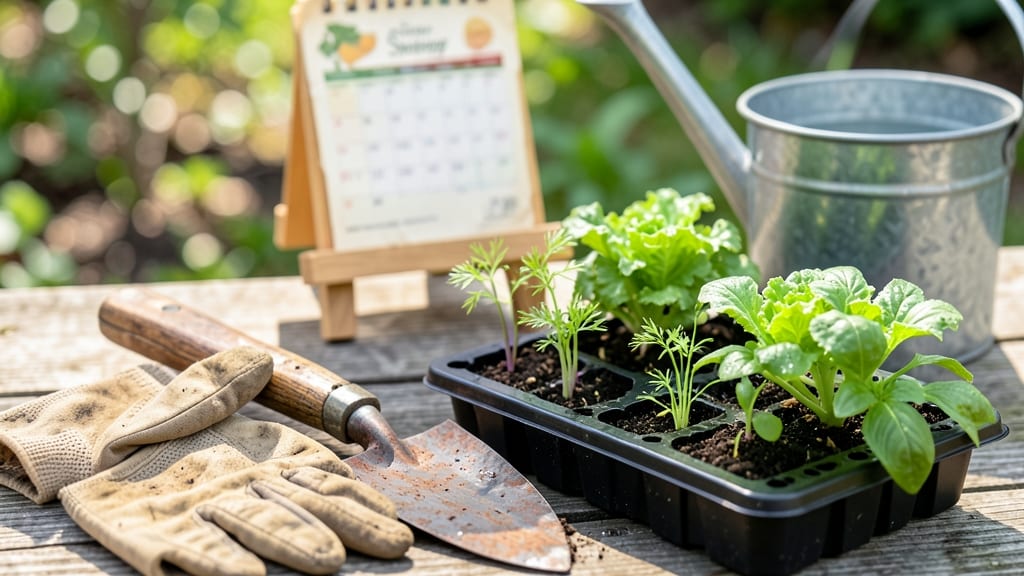
The best time to plant a garden depends on your USDA zone and crop type, but getting it right can mean the difference between a bountiful harvest and wasted effort.
Timing your garden planting can mean the difference between thriving plants and struggling seedlings—so knowing your USDA zone and ideal months is non-negotiable for success.
In Zone 6a, like many gardeners, spring planting starts after the last frost (around April 15), while fall crops go in 4-6 weeks before the first frost.
Most gardeners assume "plant as early as possible" is the golden rule, but rushing it can lead to frost damage or stunted growth. The key is matching your seeds or transplants to the soil temperature and daylight hours for fastest growth—and avoiding common pitfalls like planting heat-lovers too soon.
In this guide, I’ll break down the ideal planting windows by region, highlight the top 5 fastest-growing crops for your zone, and share pro tips to adjust timing for early or late seasons. Whether you’re a beginner or a seasoned gardener, these strategies will help you maximize your harvest.

USDA planting Zones: when to start seeds vs transplants by region
Understanding your USDA planting zone is the first step to timing your garden perfectly. Whether you're starting seeds indoors or transplanting seedlings, knowing your last frost date and local microclimates determines success.
In Zone 3 (cold winters), you’ll plant later than in Zone 10 (mild winters), but both require strategic planning for fastest growth.
For cool-season crops like lettuce and peas, start seeds 4-6 weeks before your last frost date. In warm-season crops like tomatoes and peppers, wait until soil reaches 60°F (15°C) and nighttime temps stay above 50°F (10°C). Microclimates—like sunny south-facing slopes—can push your planting window 2-3 weeks earlier than average.
Here’s how to use the USDA zone map to align your planting schedule with your region’s climate patterns:
| USDA Zone | Last Frost (Avg.) | Start Seeds Indoors | Transplant Outdoors | Microclimate Tip |
|---|---|---|---|---|
| Zones 1-3 (Cold) | May 15 | March 1 - April 15 | May 1 - June 1 | Use row covers for earlier planting |
| Zones 4-5 (Cool) | April 30 | February 15 - March 30 | April 15 - May 15 | South-facing walls warm soil faster |
| Zones 6-7 (Temperate) | April 15 | January 15 - March 15 | March 30 - April 30 | Cold frames extend season by 3 weeks |
| Zones 8-9 (Warm) | December 15 | September 15 - November 1 | October 1 - November 15 | Shade cloth protects from heat stress |
| Zones 10-11 (Tropical) | None (year-round) | Year-round (seasonal crops) | Year-round (adjust for rain) | Drip irrigation prevents fungal growth |
In Zones 1-3, where winters are harsh, focus on cold-hardy crops like kale and spinach. Start seeds indoors in late winter and transplant after the last frost.
Use black plastic mulch to warm soil faster in spring. For Zones 4-5, you can start warm-season crops like tomatoes indoors in February
Top 5 fastest-growing vegetables and their ideal planting timing
If you're looking for quick harvests and high-yield crops, these five vegetables are my top picks for Zone 6a gardens. They mature fast—some in as little as 30 days—and thrive when planted at the right time.
The secret to success? Succession planting and matching their growth cycles to your local frost dates.
For example, radishes can be ready in just 25 days if sown early, while bush beans deliver a harvest in 50-60 days.
In my garden, I’ve found that planting these crops in early spring (after the last frost) and again in late summer (6-8 weeks before the first frost) gives me two full harvests per season. Let’s dive into the specifics for each.
🌱 Numbered Highlights: Fastest-Growing Vegetables & Planting Times
- 🥕 Radishes: 25-30 days to harvest. Plant March-April (spring) and August-September (fall) for two crops. Ideal soil temp: 45-80°F.
- 🥬 Lettuce: 30-45 days for leaf varieties. Start March-April (spring) and July-August (fall). Prefers cool weather (50-70°F).
- 🌿 Green Beans (Bush): 50-60 days to harvest. Plant April-May (spring) and July (fall). Needs warm soil (60°F+).
- 🥬 Spinach: 30-40 days for baby leaves. Sow March-April (spring) and August-September (fall). Tolerates light frost (40-65°F).
- 🌶️ Bush Peppers: 60-75 days to fruit. Plant April-May after soil warms. Needs full sun and 70°F+.
💡 Pro Tip: Use row covers for early spring plantings to protect young seedlings from late frosts.
One of my favorite strategies is succession planting—sowing new seeds every 2-3 weeks to ensure a continuous harvest. For instance, I plant radishes every 10 days in spring to keep a steady supply.
This works especially well for leafy greens like lettuce, which bolt (go to seed) quickly in hot weather. By staggering plantings, I avoid the disappointment of a single, short-lived harvest.
For warm-season crops like bush beans and peppers, timing is critical. In Zone 6a, wait until the soil temperature reaches 60°F (use a soil thermometer!) before planting. I’ve learned the hard way that rushing these crops leads to poor germination.
A simple trick? Cover the soil with black plastic a few days before planting to warm it up faster.
Don’t overlook fall plantings—they’re just as productive! Spinach and radishes thrive in cooler fall temperatures, and you can extend the season by adding a lightweight row cover if frost threatens.
In my garden, a late August planting of spinach often yields tender leaves well into October, giving me a second harvest before winter sets in.
To maximize your garden’s potential, pair these fast growers with companion plants. For example, bush beans fix nitrogen in the soil, benefiting nearby lettuce or spinach.
And if you’re short on space, consider vertical gardening—trellises for beans or hanging baskets for lettuce can double your yield in small gardens.
Remember, the key to success is flexibility. Adjust your planting schedule based on weather patterns and soil conditions. If spring is late, opt for transplants instead of seeds to get a head start.
With these fast-growing vegetables and a little planning, you’ll enjoy a bountiful harvest in no time! 🌱