
Planting
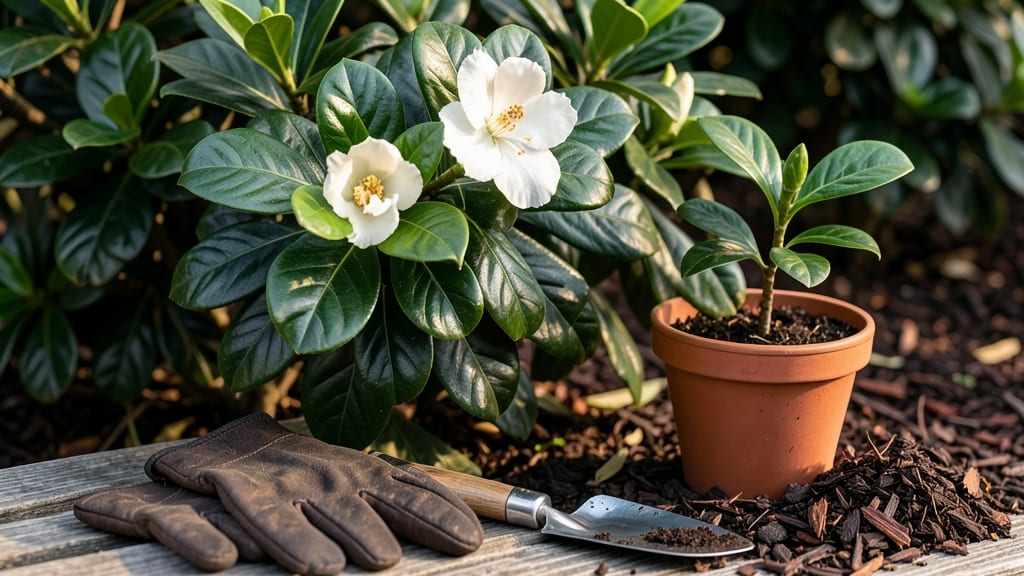
The best time to plant a gardenia 🌸 is late spring to early summer, after your last frost date—when Southern humidity and warmth team up to give roots a fighting chance.
Struggling to keep your gardenia blooming year-round? The secret starts with planting at the perfect time—one that aligns with Southern climates' unique growing seasons and humidity patterns.
Most gardeners in Zones 6-9b miss the window by planting too early, risking frost damage, or too late, when summer heat stresses young roots. I’ve seen gardenias thrive in 60-degree soil when planted in June, but wilt when stuck in cooler spring beds.
Here’s how to time it right for lush foliage and nonstop blooms: soil prep tricks, shade strategies, and the one pruning hack that keeps your gardenia flowering until frost.

Optimal Southern planting windows for gardenia success
If you're dreaming of fragrant gardenias blooming in your Southern garden, timing is everything. Unlike northern climates, Zones 7-11 offer extended growing seasons, but planting too early or late can spell disaster for these heat-sensitive shrubs.
The key? Planting when soil warmth and humidity align perfectly to minimize transplant shock and encourage robust root growth.
In most Southern regions, the ideal window spans from late April to early June, right after the last frost date. However, gardeners in frost-free zones (like Zone 10-11) have a broader range—February to August—but must avoid peak summer heat.
Let’s break down the best months for your specific zone to maximize blooms and minimize stress.
🌱 Pro Tip: Always check your last frost date (typically mid-March to early April in Zones 7-9) and wait 2-3 weeks before planting. Gardenias hate cold soil, which can stunt root development for months.
Here’s how Southern gardeners can align their planting with local conditions for year-round success:
| USDA Zone | Best Planting Window | Why This Timing? | Soil Temp Goal |
|---|---|---|---|
| 7-8 | Late April–Early June | Avoids late frosts; soil warms to 65°F+. | 65–70°F |
| 9 | March–May or Sept–Oct | Early spring/fall avoids peak summer heat. | 60–68°F |
| 10-11 | February–August (avoid July) | Frost-free year-round; skip July’s extreme heat. | 60–75°F |
🌡️ Critical: Gardenias hate cold soil—wait until soil reaches 60°F+ before planting.
For gardeners in Zones 7-8, early spring planting (late April) gives roots time to establish before summer’s heat. However, late summer planting (August) is a hidden gem—it allows gardenias to settle in before winter, reducing transplant shock. Just ensure soil temps stay above 65°F to prevent root rot.
In Zones 9-11, the window expands dramatically. You can plant as early as February or even in fall (September–October), but avoid July’s scorching heat, which can stress young plants and stunt growth.
If you’re in a humid coastal area, morning planting reduces fungal risks from prolonged moisture.
One common mistake? Planting gardenias in full summer heat. While they tolerate warmth, established roots handle stress better. If you must plant in summer, water deeply every 2 days and use shade cloth for the first 2 weeks to ease the transition.
To test soil readiness, stick your finger 2 inches deep. If it feels warm to the touch (like a hot cup of tea), it’s time to plant. Pair this with well-draining, acidic soil (pH 5.0–6.0) and partial shade to set your gardenia up for lush, fragrant blooms all season.
Remember, the earlier you plant in spring, the longer your gardenia has to establish before winter. But in frost-free zones, fall planting can yield bigger blooms next spring by avoiding summer’s peak stress. Choose wisely!
🌿 Final Tip: Mulch heavily with pine bark or compost after planting to retain moisture and mimic the acidic, humid conditions gardenias thrive in.
Climate-specific planting tips for gardenias in humid Southern regions
Southern gardeners know humidity isn’t just sticky—it’s a double-edged sword for gardenias. Too much moisture without proper prep, and your plant’s roots will suffocate. But get the soil and mulch right, and that same humidity becomes a growth multiplier for lush foliage and fragrant blooms year-round.
I’ve planted gardenias in Zones 7b-9a for over a decade, and the key difference between thriving shrubs and sad, yellowing leaves? Soil science.
Gardenias hate soggy roots but love consistent moisture—so we’ll tackle soil prep, mulching hacks, and post-planting care tailored to your region’s heat index and rainfall patterns.
⚠️ Critical Mistake: Planting Gardenias in Spring Before Soil Warms
Gardenias won’t thrive in cool spring soil (below 65°F). Roots stay dormant, and your plant becomes a fungal magnet. In Zones 7-9, wait until late May or June—when soil temps hit 70°F+—to plant. Use a soil thermometer to confirm!
Start with acidic, well-draining soil (aim for pH 5.0–6.0). Southern soils often lean alkaline, so amend with peat moss or pine bark fines mixed into the top 12 inches of soil.
I swear by a 50/50 blend of native soil and compost—it mimics the humid forest floor gardenias love.
Mulch isn’t just decoration—it’s a humidity regulator. Use 3–4 inches of pine straw or shredded bark to retain moisture while preventing root rot. Replenish mulch twice a year (spring and fall) to keep soil temps stable. Pro tip: Avoid black plastic mulch—it bakes roots in summer heat.
After planting, water deeply but infrequently—think 1–2 gallons per plant every 3–5 days. Southern humidity means you’ll water less often than in drier climates, but always morning watering to prevent fungal diseases like powdery mildew. Let the top 2 inches of soil dry between waterings.
Finally, fertilize lightly in the first 6 weeks with an acid-loving fertilizer (like 8-3-9). Overfeeding stresses roots in humid heat. Prune spent blooms to encourage new growth, and watch your gardenia reward you with blooms until frost.