
Vegetables
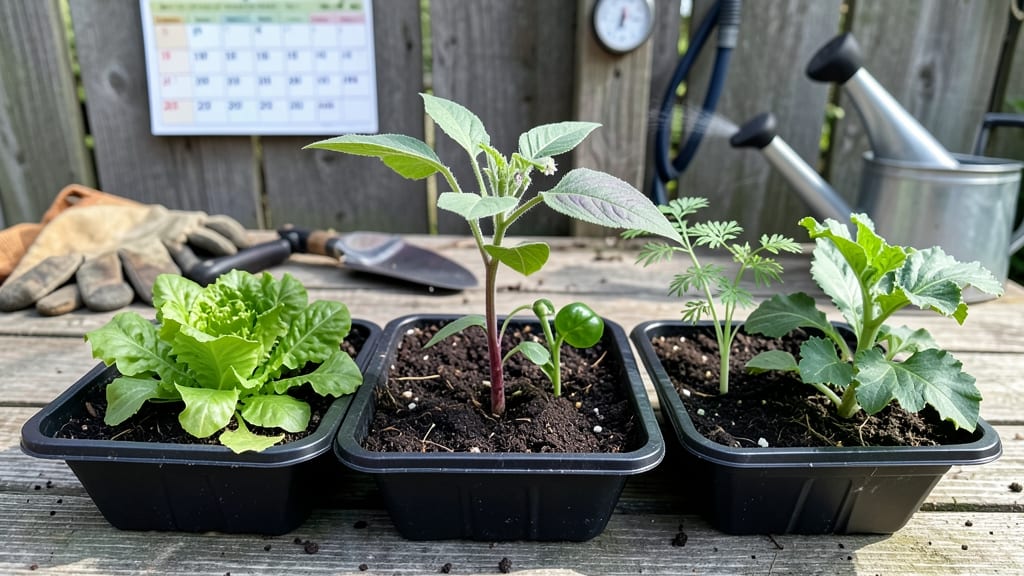
Planting your vegetable garden at the best time ensures healthy growth and a harvest you’ll actually enjoy—miss the window, and you’re left with stunted plants or wasted effort.
Timing your vegetable garden planting can mean the difference between a bountiful harvest and a disappointing loss—knowing your USDA zone and ideal planting windows is the secret to success.
In Zone 6a, like many gardeners, early spring (4-6 weeks before last frost) or late summer (6-8 weeks before first frost) are your golden opportunities.
But here’s the catch: not all vegetables play by the same rules. Cool-season crops like lettuce and peas thrive in spring’s chill, while tomatoes and peppers need warm soil to take off.
I’ll break down exactly when to plant each type, plus how to stretch your growing season for even bigger yields.
Ready to avoid common mistakes like planting too early (hello, frost damage) or too late (bye-bye, summer harvest)? You’ll walk away with a zone-specific calendar, pro tips for extending your season, and the confidence to time your garden like a pro.

USDA Zone planting calendar: when to start vegetables by region
Timing your vegetable garden planting can mean the difference between a bountiful harvest and a disappointing loss. Your USDA zone determines your last spring frost and first fall frost, which are critical for scheduling cool-season and warm-season crops.
Whether you're in Zone 3 or Zone 10+, understanding these windows ensures your plants thrive. Let's break down the best planting times by region to maximize your garden's potential.
First, locate your USDA zone using the USDA Plant Hardiness Zone Map. This will reveal your average frost dates, which are the foundation for planning.
For example, Zone 5 gardeners typically see their last frost around May 10, while Zone 9 may only experience light frosts in January. These dates dictate when to start seeds indoors, transplant seedlings, and sow directly into the soil.
Cool-season vegetables like lettuce, spinach, and peas thrive in cooler temperatures and can often be planted 4-6 weeks before your last frost.
In contrast, warm-season crops such as tomatoes, peppers, and cucumbers need soil temperatures above 50°F and should be planted 2-3 weeks after your last frost. Understanding these differences is key to avoiding common mistakes like planting too early or too late.
Here’s a quick comparison of planting windows by USDA zone, including cool-season and warm-season crops:
For gardeners in Zones 3-4, where winters are harsh, focus on early spring planting for cool-season crops like kale and broccoli. These can handle light frosts and even improve in flavor after a frost.
Meanwhile, Zones 9-10 offer longer growing seasons, allowing for fall planting of warm-season crops like beans and squash well into October. This extended season is a game-changer for maximizing your harvest.
Pro tip: Use row covers or cold frames to extend your planting season by 2-4 weeks in cooler zones. These tools protect tender seedlings from late frosts and can push your first planting date earlier in the spring.
In warmer zones, focus on succession planting to keep a steady supply of fresh produce. For example, plant lettuce every 2 weeks from spring to early fall to enjoy continuous harvests.
If you're unsure about your local frost dates, check your local agricultural extension office or use online tools like the Old Farmer’s Almanac. These resources provide hyper-local frost predictions that can fine-tune your planting schedule.
For instance, a Zone 6 gardener in Chicago might experience frost dates that differ slightly from a Zone 6 gardener in Virginia, so local data is invaluable.
Another critical factor is
Cool-season vs. warm-season vegetables: planting timing differences explained
Understanding the difference between cool-season and warm-season vegetables is the first step to a successful garden. Cool-season crops like lettuce and spinach thrive in temperatures between 40°F and 75°F, while warm-season crops such as tomatoes and peppers need soil temperatures above 60°F to germinate and grow.
In Zone 6a, where last frost typically hits around April 15 and first frost arrives October 15, timing is everything. Planting cool-season crops too late or warm-season crops too early can lead to stunted growth or complete failure.
I’ll show you exactly when to plant each type and how to maximize your harvest with succession planting.
Cool-Season Vegetables
- ✅ Best planted: 4-6 weeks before last frost (early spring) or late summer (6-8 weeks before first frost)
- ✅ Ideal temps: 40°F–75°F (tolerates light frost)
- ✅ Examples: Lettuce, spinach, peas, broccoli, carrots
- ✅ Pro Tip: Use row covers to extend harvest into fall
Warm-Season Vegetables
- ✅ Best planted: After last frost when soil is 60°F+ (late spring)
- ✅ Ideal temps: 70°F–90°F (needs warmth to thrive)
- ✅ Examples: Tomatoes, peppers, cucumbers, beans, corn
- ✅ Pro Tip: Use black plastic mulch to warm soil faster
Common Mistakes to Avoid
- ❌ Planting warm-season crops before soil warms (seeds rot)
- ❌ Ignoring succession planting for continuous harvests
- ❌ Overlooking frost dates when planning fall crops
For cool-season vegetables, start seeds indoors 6-8 weeks before your last frost date. In Zone 6a, that means sowing lettuce and spinach by early March for a spring harvest.
If you miss that window, don’t worry—you can plant again in late summer for a fall crop, as long as you pick fast-maturing varieties.
Warm-season vegetables, on the other hand, should never be planted until the soil is at least 60°F. In my garden, I wait until mid-May to transplant tomatoes and peppers outdoors.
To speed up the process, I use black plastic mulch or a cold frame to warm the soil faster. This gives me a head start on the growing season.
One of my favorite strategies is succession planting, which lets you enjoy a steady supply of fresh produce. For example, I plant bush beans every 2 weeks from June to July, ensuring a continuous harvest.
Similarly, I stagger lettuce plantings in spring and fall to avoid bolting (going to seed) in hot weather.
If you’re new to gardening, start with easy cool-season crops like radishes or peas—they’re forgiving and grow quickly. For warm-season crops, bush beans and zucchini are great beginner choices because they thrive in heat and produce abundantly.
With the right timing, you’ll be harvesting like a pro in no time!