Planting
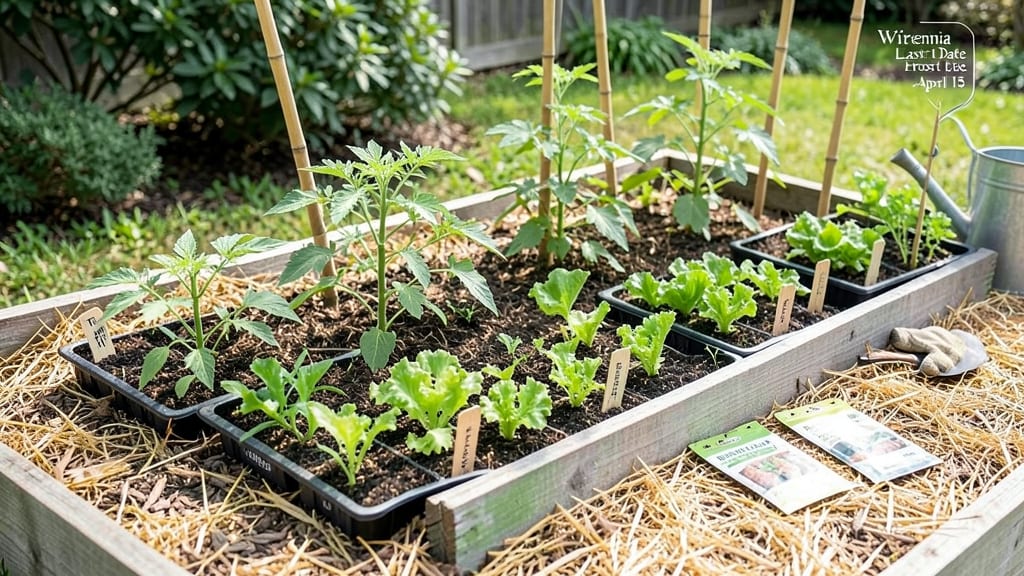
Planting a vegetable garden in Virginia at the right time means the difference between a thriving harvest and wasted seeds.
Virginia’s diverse climate—from the cool mountains to the humid coastal plains—means planting your vegetable garden at the wrong time can mean wasted seeds and stunted growth. But mastering the right timing for heat-loving crops like tomatoes, peppers, and squash can transform your harvest from meager to bountiful.
Whether you’re in USDA Zone 6 or Zone 8, knowing when to start seeds indoors, transplant seedlings, and direct-sow outdoors is key. Skip the guesswork, and you’ll avoid common mistakes like bolting lettuce or blighted tomatoes.
In this guide, I’ll break down the best planting windows by zone, share season-extending tricks, and highlight the top heat-loving crops that thrive in Virginia’s soil. Ready to grow?
Virginia’s planting zones and best start dates for heat-loving vegetables
Virginia spans USDA hardiness zones 6-8, creating a unique challenge for gardeners. The Shenandoah Valley (zone 6b) has later springs, while Hampton Roads (zone 8a) enjoys longer growing seasons.
Heat-loving crops like tomatoes and peppers need precise timing to thrive—plant too early, and frost will kill them; too late, and you’ll miss peak harvests.
Understanding your last frost dates is critical. In zone 6, expect April 15-May 1 for final frosts, while zone 8 areas may see March 15-April 15. These dates dictate when to start seeds indoors and transplant seedlings outdoors.
For example, tomatoes should go in the ground 2-3 weeks after your last frost date when soil reaches 60°F (15°C).
Below is your zone-specific planting calendar for Virginia’s most popular heat-loving vegetables. Use this as your guide to maximize yields and avoid common mistakes like overcrowding seedlings or planting in cold soil. Each crop has unique needs—peppers need warm soil, while cucumbers thrive with consistent moisture.
For zone 6 gardeners in areas like Roanoke or Blacksburg, focus on early-maturing varieties of tomatoes and peppers. Start seeds indoors in March and transplant after May 1.
In zone 7 (Richmond, Charlottesville), you can push the envelope with late summer plantings of heat-tolerant crops like eggplant or squash—just be ready to cover them if first frost arrives early (typically November 15-December 1).
Zone 8’s coastal areas (Norfolk, Virginia Beach) offer the longest growing season, allowing for fall plantings of crops like kale or collards as late as August 15. Use this advantage to succession plant heat-lovers like cucumbers every 2 weeks from May through July for continuous harvests.
The key is monitoring soil temperatures—a simple soil thermometer
How to extend your growing season in Virginia for maximum yields
Virginia’s climate varies dramatically from the cool Shenandoah Valley to the humid Hampton Roads, making season extension a game-changer for your vegetable garden.
By using simple tools like row covers and cold frames, you can safely plant earlier in spring and later in fall, giving you 3-4 extra weeks of growing time for heat-loving crops like tomatoes and peppers.
I’ve learned the hard way that planting too early in Zone 6 (mountains) or too late in Zone 8 (coastal plains) leads to frost damage or stunted growth. The key is understanding your microclimate and using the right techniques to protect tender seedlings while they establish roots.
- 📅 Use frost cloth row covers to plant 4-6 weeks earlier in spring and 2-3 weeks later in fall. Lightweight fabric allows sunlight while protecting from 28°F temps.
- 🏡 Cold frames extend seasons by 6-8 weeks on both ends. Place them over seedlings to trap heat from sunlight during cool nights.
- 🌱 Succession planting every 2-3 weeks ensures a continuous harvest. Start with fast-maturing varieties like bush beans, then follow with slower growers like cabbage.
- 💧 Warm soil faster by using black plastic mulch in spring. This raises soil temps by 5-10°F, letting you plant heat-lovers like peppers 2 weeks earlier.
- 🌿 Choose cold-hardy varieties like 'Cold-Tolerant' tomatoes or 'Winter Density' kale that survive light frosts (25°F) without protection.
In the Shenandoah Valley (Zone 6), I’ve had success using low tunnels over lettuce and spinach to harvest through late November. The clear plastic creates a mini greenhouse effect, keeping soil temps above freezing. Just remember to ventilate on warm days to prevent overheating.
For Hampton Roads (Zone 8), focus on fall planting for crops like broccoli and carrots. The warmer coastal climate lets you plant these until mid-October for harvests before the first frost (mid-November). Use straw mulch to insulate soil and protect roots from temperature swings.
One common mistake I see is overwatering row covers, which leads to fungal diseases. Always water before covering plants, and remove covers during dry, sunny days to prevent condensation buildup. A simple 10-minute daily check keeps your garden healthy and productive.
By combining these techniques, my tomato plants now produce fruit through October in Zone 7, and my kale stays crisp into January. The secret? Start small, test what works in your microclimate, and gradually expand your season extension tools each year.