
Pruning
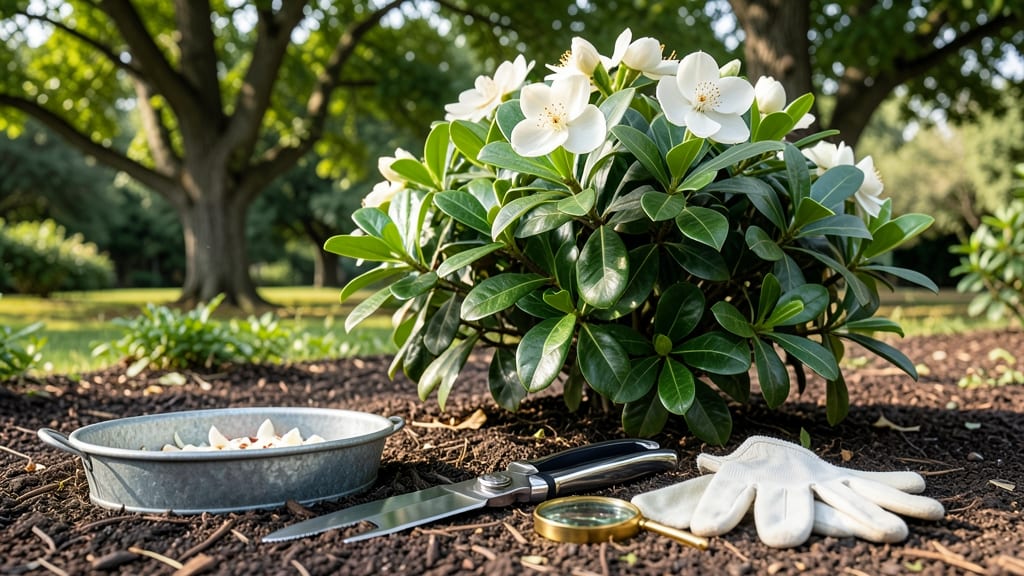
Trimming gardenias at the right time unlocks their most fragrant blooms and keeps them thriving for years.
Picture this: you’ve spent months nurturing your 🌸 gardenia, only to prune too early and watch your spring flowers fizzle out. Or worse, trim too late and leave your shrub looking ragged. The secret? Late winter—just as new growth begins—is the best time to shape gardenias without sacrificing blooms.
Why does timing matter so much? Gardenias bloom on new wood, meaning cuts made at the wrong time can stunt flower production. In colder climates (USDA Zones 8-11), wait until after the last frost to avoid stressing the plant. But in warmer regions, early spring is your window.
Below, I’ll break down the exact steps—when to cut, what tools to use, and how to care for your gardenia afterward—to ensure a burst of blooms this season.
Late winter pruning: the science behind timing gardenia trims
Pruning gardenias at the right time isn’t just about tidying up your shrub—it’s about maximizing next year’s blooms while protecting your plant’s health. The late winter window, just before new growth begins, is the golden period for trimming.
This timing aligns perfectly with your gardenia’s dormancy cycle, when energy reserves are at their peak to fuel spring regrowth.
Think of it like a budding timeline: gardenias form flower buds on last year’s wood, so pruning too early removes potential blooms. But wait too long, and you’ll encourage overly leggy growth that weakens the plant.
The key is to trim when dormancy ends but buds haven’t yet swelled—typically 4-6 weeks before your last frost date.
| Timing Factor | Late Winter Ideal | Why It Matters |
|---|---|---|
| Dormancy Stage | End of dormancy (Feb-Mar) | Plant conserves energy for new growth |
| Bud Formation | Before buds swell | Preserves flower buds on old wood |
| Climate Zone 8-9 | Late Feb to early March | Avoids late frost damage |
| Climate Zone 10-11 | January to early February | Tropical climates have no dormancy |
| New Growth Sign | Tiny leaf buds visible | Indicates it’s time to prune |
Here’s the science behind why late winter works: when gardenias enter dormancy in fall, they store carbohydrates in their roots and stems. By late winter, these reserves are ready to fuel rapid spring growth.
Pruning at this stage stimulates new, vigorous shoots while leaving enough old wood for blooms.
For gardeners in warmer climates (Zones 10-11), the rules shift slightly. Since these regions rarely experience true dormancy, the best time to trim is January or early February, just before the heaviest bloom period.
This prevents stressing the plant during its natural flowering cycle. In contrast, cooler zones (8-9) should wait until after the last frost risk—typically late February to early March.
One common mistake is pruning too aggressively in late winter. Remember, gardenias bloom on old wood, so never remove more than 1/3 of the plant’s total growth.
Focus on dead, diseased, or crossing branches first, then lightly shape the shrub. This approach ensures you preserve next year’s flowers while improving air circulation to prevent fungal issues.
After trimming, give your gardenia a light feeding with an acid-loving fertilizer (like cottonseed meal) to replenish nutrients lost during pruning. Pair this with deep watering to help roots recover. Within weeks, you’ll see new growth emerge—proof that your timing was perfect.
Pro tip: Mark your calendar for next year’s pruning date by noting when you see leaf buds begin to swell on your gardenia. This natural cue is more reliable than fixed dates, especially in mild-winter regions where frost isn’t a factor.
The goal is always the same: trim when the plant is ready to grow, not when you’re ready to prune.
If you live in a transition zone (Zone 7 or below), consider waiting until early spring—after the last frost—since late winter pruning could expose tender new growth to frost damage.
In these cases, a light pruning in late winter (just to remove dead wood) followed by a fuller trim in spring works best.
🌸
Step-by-step guide to pruning gardenias for maximum blooms
Pruning your 🌸 gardenia isn’t just about shaping—it’s about encouraging abundant blooms while keeping the plant healthy. The key is timing cuts to new growth without sacrificing next year’s flowers.
Start by gathering your tools: sterilized pruners, sharp shears, and gloves to protect your hands from the plant’s sap. I’ll walk you through each step to ensure your gardenia thrives.
Before you begin, inspect your shrub for dead or diseased branches. These should be removed first—they’re the easiest to spot and will drain energy from your plant. Look for branches that are brown, brittle, or hollow at the center.
Cut these back to the nearest healthy bud or branch junction. This step is critical for preventing fungal spread and improving airflow.
Next, focus on shaping the shrub to encourage airflow and sunlight penetration. Gardenias need good circulation to stay disease-free, so avoid overcrowding. Trim back any branches that are rubbing against each other or growing inward.
Aim to create an open, rounded shape—this mimics their natural form and makes future pruning easier. Never cut more than one-third of the plant’s foliage at once, or you risk shocking the gardenia.
Step-by-Step Pruning Guide for Gardenias
- Step 1: Wait until late winter (just before new growth starts) or early spring (March-April in most zones). For USDA Zones 8-9, time cuts after the last frost date to avoid stress.
- Step 2: Remove dead/diseased wood first—cut back to the nearest healthy bud or branch collar. Sterilize tools between cuts with rubbing alcohol to prevent contamination.
- Step 3: Shape for airflow: Trim inward-growing branches and those crossing others. Aim for an open, rounded form—never remove more than 1/3 of foliage in one session.
- Step 4: Cut at a 45-degree angle just above a leaf node or outward-facing bud. Avoid leaving stubs, which can trap moisture and cause rot.
- Step 5: Clean up after pruning: Collect and dispose of clippings (don’t compost diseased wood). Apply mulch around the base to retain moisture and protect roots.
Pro Tip: If your gardenia blooms on old wood (rare but possible), avoid heavy pruning—just lightly trim to shape. Most gardenias bloom on new growth, so aggressive cuts in late winter are safe.
One of the most common mistakes gardeners make is pruning too late in the season. If you trim after June, you risk cutting off next year’s flower buds, which form on new wood during late winter/early spring.
Another pitfall? Using dull or dirty tools, which can tear branches and introduce disease. Always use sharp, sterilized pruners and make clean cuts at a 45-degree angle just above a bud.
After pruning, your gardenia will need extra care to recover. Water deeply to help it establish new roots, and apply a balanced fertilizer (like 10-10-10) in early spring to support new growth.
Avoid fertilizing in summer, as this can encourage leafy growth at the expense of flowers. Instead, focus on consistent moisture and mulching to keep roots cool.
With the right technique, your gardenia will reward you with fragrant blooms all season long. Remember: timing, tools, and technique are your best friends. Now grab your pruners and give your gardenia the care it deserves—your nose (and neighbors!) will thank you. 🌿