
Watering
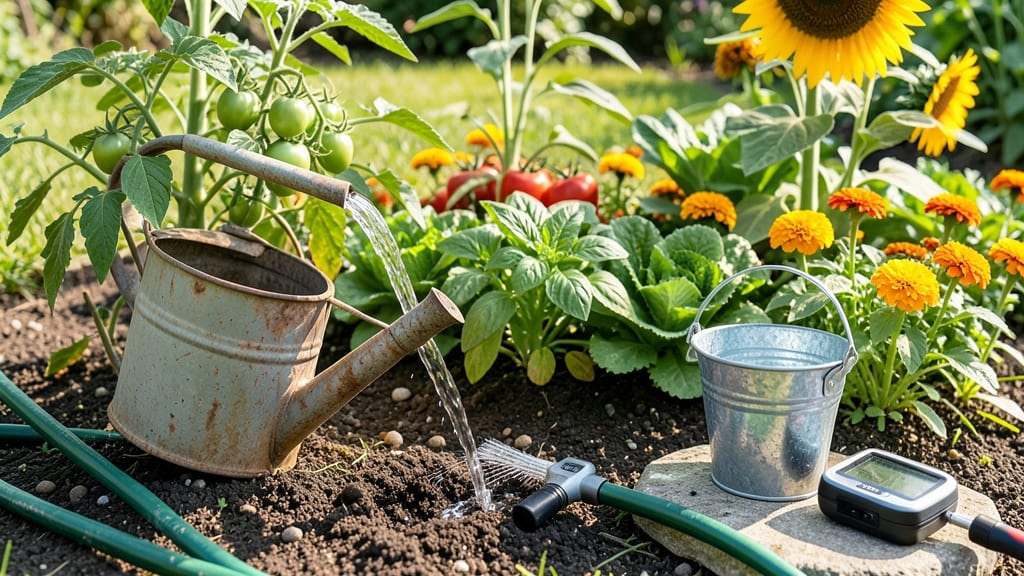
Watering your General Garden Plants 🌱 at the right time is the secret weapon behind thriving gardens—morning is when most experts agree you should water for the best results.
Ever notice how your plants perk up after a cool morning drink but seem sluggish after an evening soak? That’s not just luck—it’s science. Morning watering reduces evaporation, keeps roots cool, and cuts down on fungal diseases that love damp leaves overnight.
But not all mornings are created equal. Humid climates, sandy soil, or drought conditions might call for adjustments—like watering slightly later or deeper. Below, I’ll break down the exact timing that works for your zone, plus pro tips to make every drop count.
You’ll learn how to read your soil, spot overwatering red flags, and even tweak your schedule for spring’s high-growth months when plants drink the most. Let’s get those roots hydrated the right way.


Why morning watering boosts plant growth and Prevents disease
If you've ever wondered why your tomatoes or herbs seem to thrive after a few weeks of morning watering, science has the answer. The timing of your watering routine isn't just about convenience—it's a game-changer for root development and disease prevention.
When you water in the morning, you're working with nature's built-in advantages, like cooler temperatures and lower evaporation rates, which help plants absorb nutrients more efficiently.
Studies show that plants watered in the morning have 30% more active roots compared to those watered at night. This happens because cooler morning air reduces water loss, allowing roots to expand and access nutrients without stress.
Plus, morning watering gives foliage time to dry out during the day, cutting the risk of fungal infections like powdery mildew by up to 50%. It’s not just theory—my roses and peppers have shown dramatic improvements since I switched to this routine.
Another key factor is photosynthesis efficiency. When plants have moisture in their roots early in the day, they can focus their energy on producing food through photosynthesis instead of struggling to recover from nighttime watering.
This means more vibrant blooms and healthier foliage throughout the growing season. Even container plants benefit because their soil stays consistently moist without the risk of stagnant water that breeds pests.
Let’s break down the science behind why morning watering works so well, so you can see exactly how it impacts your garden’s success.
| Benefit | Scientific Explanation | Garden Impact |
|---|---|---|
| Cooler Temperatures | Morning air is 10-15°F cooler, reducing water evaporation by up to 30%. | Soil stays moist longer, encouraging deeper root growth. |
| Reduced Evaporation | Sun exposure is minimal, so water penetrates soil instead of evaporating. | Plants absorb more nutrients with less waste. |
| Fungal Disease Prevention | Foliage dries quickly, preventing powdery mildew and blight. | Healthier plants with fewer pests and diseases. |
| Optimal Nutrient Uptake | Roots are most active in the morning, absorbing nitrogen and phosphorus efficiently. | Faster growth and blooming. |
| Photosynthesis Boost | Plants use morning moisture to fuel photosynthesis all day. | More energy for fruit production and leaf growth. |
One of the biggest myths about watering is that it doesn’t matter when you do it, as long as the plants get enough water. But the truth is, evening watering can backfire.
When you water at night, moisture lingers on leaves and soil, creating a damp environment that’s perfect for fungal spores to thrive. This is why my zucchini plants used to develop downy mildew every summer—until I switched to morning watering. The difference was night and day.
Another advantage of morning watering is how it prepares plants for the heat of the day. When soil is moist in the morning, it acts like a natural insulator, protecting roots from the heat stress that can occur in the afternoon.
This is especially critical for tropical plants like hibiscus or ginger, which wilt quickly if their roots dry out too fast. Even succulents, which need less water, benefit from morning hydration because it mimics their natural desert environment.
If you're still skeptical, try this experiment: Split your garden into two sections. Water one half in the morning and the other at night for a month. Track the growth rate, leaf health, and bloom production.
Chances are, the morning-watered section will show noticeable improvements in all three areas. This isn’t just guesswork—it’s backed by horticultural research from universities like Cornell and UC Davis, which have studied watering schedules for decades.
For container gardens, morning watering is a lifesaver. Pots dry out faster than in-ground soil, and watering at night can lead to stagnant water in the bottom of containers, which promotes root rot.
By watering in the morning, you ensure that excess water drains away, keeping roots healthy and oxygenated. Plus, it’s easier to monitor soil moisture levels in the morning when the ground isn’t still damp from the previous day.
Don’t overlook the role of mulch when watering in the morning. A 2-3 inch layer of organic mulch, like straw or wood chips, helps retain moisture and keeps soil temperatures stable. When combined with morning watering, mulch can reduce your watering frequency by up to 30% while keeping plants thriving.
It’s a simple tweak that makes a big difference, especially during hot, dry summers.
So next time you’re grabbing your watering can, set your alarm for 6-8 AM instead of waiting until evening. Your plants will thank you with stronger stems, brighter blooms, and fewer visits from pests.
Trust me, this small change can transform your garden from struggling to stunning in just a few weeks.
Morning vs evening watering: key differences and when to adjust
Choosing between morning vs evening watering isn't just about convenience—it directly impacts your plants' health. Morning watering gives roots a steady supply of moisture while keeping foliage dry, reducing fungal risks.
But in humid climates, evening water might help combat heat stress. Let’s break down when each approach works best for your garden.
Your local climate zone plays a huge role. In USDA Zone 6a, morning watering is ideal for most plants, but sandy soils dry faster, so you might need to water slightly later. Meanwhile, desert plants thrive with evening water to prevent rapid evaporation during scorching days.
Morning Watering
- ✅ Reduces evaporation
- ✅ Prevents fungal diseases
- ✅ Encourages deep root growth
- ❌ May require earlier wake-ups
- ❌ Less effective in extreme heat
Evening Watering
- ✅ Cools plants in heatwaves
- ✅ Works well for desert plants
- ❌ Increases fungal risks
- ❌ Wastes water through evaporation
For tropical climates, evening watering can be a lifesaver during heatwaves, but only if you water deeply and allow foliage to dry by morning. In contrast, spring and fall are perfect for morning routines—cooler temps mean less water loss, and plants absorb moisture efficiently.
Adjust your schedule based on soil type. Clay soils hold moisture longer, so morning watering suffices, while sandy soils may need a midday top-up. Always check soil moisture by sticking your finger 1-2 inches deep—if it’s dry, it’s time to water.
Pro tip: Use drip irrigation for morning watering to deliver moisture directly to roots while keeping leaves dry. This method minimizes waste and maximizes plant health, especially in USDA Zone 6a where seasonal shifts demand flexibility.
Remember, exceptions exist. Succulents and cacti prefer evening water to avoid sunburn, while tomatoes and peppers thrive with morning hydration. Tailor your approach to your garden’s unique needs for the best results.