
Planting
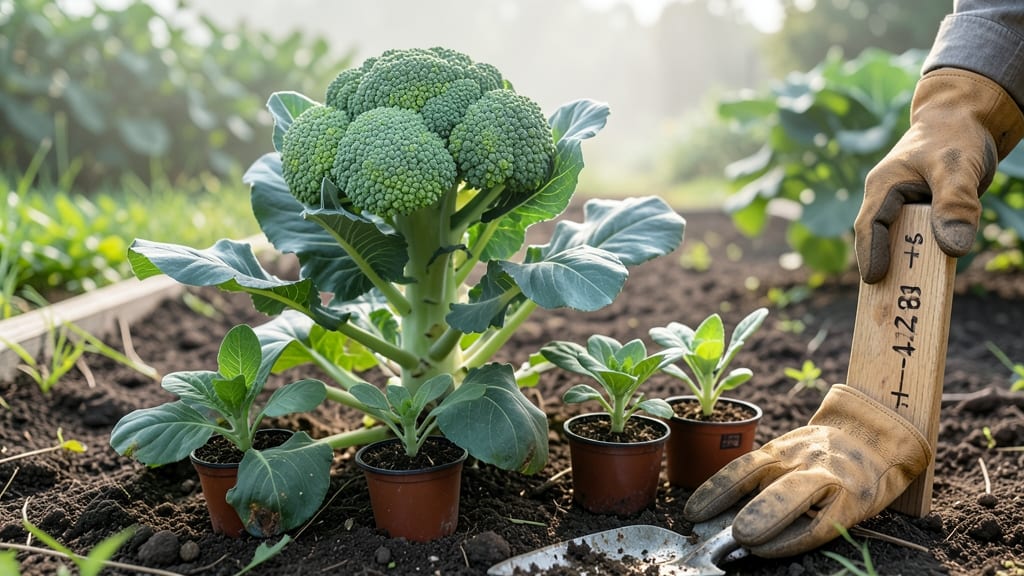
Spacing broccoli in your garden correctly is the key to bigger heads and fewer pests—just 18 inches apart can make all the difference.
Struggling with stunted broccoli heads or battling pests in your garden? The secret might be as simple as adjusting your spacing—just a few inches can mean the difference between a meager harvest and a thriving, pest-resistant crop.
Most gardeners overlook how much room broccoli 🥦 needs to grow strong, but proper spacing improves airflow, reduces disease, and even boosts flavor. Whether you're planting in rows or containers, getting this right early saves headaches later.
In this guide, I’ll break down the exact spacing you need for different varieties, how to adjust for your climate, and common mistakes that ruin yields—so you can grow broccoli like a pro.
Optimal broccoli spacing by planting method for maximum yield
Getting your broccoli spacing right is one of the easiest ways to transform a struggling garden into a high-yielding one. Too close, and your plants compete for nutrients and sunlight, producing small, bitter heads.
Too far apart, and you waste valuable garden space. The key lies in matching your spacing strategy to your planting method—whether you're growing in-ground, in raised beds, or even containers.
I've learned through years of trial and error that proper broccoli spacing isn't just about inches—it's about creating an environment where plants can thrive. Good airflow reduces disease risk, sunlight penetration ensures strong growth, and enough room prevents pests from moving easily between plants.
Let's break down the science behind these numbers so you can plan your garden like a pro.
summary table element begins here
| Planting Method | Plant-to-Plant Spacing | Row Spacing | Yield Impact | Best For |
|---|---|---|---|---|
| In-Ground Garden | 18-24 inches | 24-36 inches | Large, dense heads | Standard varieties |
| Raised Beds | 12-18 inches | 18-24 inches | Compact, high-density | Small gardens |
| Square-Foot Gardening | 9 plants per sq ft | N/A (grid system) | Efficient space use | Urban gardens |
| Containers (5+ gal) | 1 plant per container | N/A | Single large head | Balconies/patios |
| Succession Planting | 12-15 inches | 18 inches | Extended harvest | Year-round growing |
For in-ground gardens, I recommend starting with 18-24 inches between plants and 30-36 inches between rows. This gives your broccoli plants enough room to develop those large, dense heads we all love.
The extra space also helps sunlight reach the lower leaves, which keeps your plants producing side shoots (those little broccoli florets that appear after harvesting the main head).
When working with raised beds, you can get away with slightly tighter spacing—12-18 inches between plants and 18-24 inches between rows. The improved soil drainage in raised beds allows roots to spread more efficiently, so plants can handle closer quarters.
Just be prepared to harvest slightly smaller heads compared to in-ground planting.
If you're practicing square-foot gardening, the Mel Bartholomew method suggests planting 9 broccoli plants per square foot. This high-density approach works beautifully in small spaces but requires more frequent harvesting to prevent overcrowding.
The trade-off is worth it for urban gardeners with limited space—you'll still get a great yield from just a few square feet.
Container gardening with broccoli is absolutely possible if you choose the right setup. For 5-gallon containers or larger, plant just one broccoli plant per container. The key here is using a high-quality potting mix and providing consistent moisture.
You'll sacrifice some yield compared to in-ground planting, but container-grown broccoli often produces sweeter, more tender heads because you can control the growing conditions so precisely.
One spacing strategy I've found particularly effective is succession planting with tighter spacing. By planting new seedlings every 2-3 weeks and using 12-15 inches between plants, you can extend your harvest season dramatically.
The closer spacing works because you're harvesting the earlier plants before they fully mature and compete with the newer seedlings.
Remember that proper spacing isn't just about inches—it's about creating the right environment for your plants to thrive. Good airflow prevents fungal diseases like downy mildew, while proper sunlight exposure ensures strong stem development.
When I first started gardening, I made the mistake of planting broccoli too closely in hopes of getting more plants. Instead, I ended up with small, bitter heads and a garden that attracted more pests than usual.
For maximum yield, always plant your broccoli seedlings at the depth they were growing in their nursery pots. This prevents stem rot while encouraging strong root development.
And if you're growing heirloom varieties or larger types like Calabrese, give them that extra inch or two of space—they'll reward you with those impressive 2-pound heads that make all the effort worthwhile. 🥦
How broccoli spacing affects pest prevention and plant health
Proper broccoli spacing isn’t just about fitting more plants into your garden—it’s a critical defense against pests and diseases. When plants are crowded, they create the perfect hiding spot for cabbage worms, aphids, and flea beetles, while poor airflow encourages fungal infections like downy mildew.
I’ve seen gardens where overcrowded broccoli plants struggled with black rot simply because the leaves couldn’t dry properly after watering.
Let me share what happens when spacing is ignored: stunted growth, smaller heads, and plants that look like they’ve been through a war.
In one of my early gardening attempts, I planted broccoli too closely in a raised bed, and by mid-summer, the plants were so stressed they barely produced any edible heads. The lesson? Spacing saves your harvest by reducing competition for nutrients and sunlight.
⚠️ Warning: Overcrowded Broccoli = Pest Paradise
Crowded broccoli plants create shady, humid microclimates that attract cabbage moths and fungal spores. Aphids thrive in dense foliage, and flea beetles chew leaves with impunity when plants can’t outgrow their damage. Solution: Space plants 18-24 inches apart for optimal airflow and sunlight.
One of the biggest mistakes I’ve seen is planting broccoli in tight rows, thinking it’ll maximize yield. But when plants are packed too closely, their leaves touch, trapping moisture and creating ideal conditions for black rot.
This bacterial disease spreads like wildfire in crowded gardens, turning healthy plants yellow and mushy overnight. Proper spacing breaks this cycle by allowing air to circulate and leaves to dry quickly.
Sunlight exposure is another game-changer. Broccoli needs 6+ hours of direct sun daily to develop strong, disease-resistant heads. When plants are spaced too tightly, the inner ones get shaded, leading to weak stems and poor head formation.
In my square-foot gardening experiments, I found that spacing broccoli 12 inches apart in a 1-foot grid gave each plant enough light while still maximizing space efficiency.
Don’t forget about companion planting—it works best when broccoli has room to breathe. Planting dill or garlic nearby helps deter pests, but only if your broccoli isn’t smothered by competing plants.
I once tried interplanting broccoli with onions too closely, and the onions stole all the nutrients, leaving the broccoli stunted and vulnerable to pests. Keep companions 12+ inches away from broccoli stalks.
For container gardening, spacing becomes even more critical. A single broccoli plant in a 12-inch pot will struggle, but two plants in a 16-inch container with 18 inches between them can thrive.
The key is ensuring each plant has enough root space to access water and nutrients without competing directly. I’ve had great success with this setup in urban gardens where space is limited.
Remember: proper spacing isn’t just about avoiding problems—it’s about creating ideal growing conditions. When broccoli plants have room to grow, they develop stronger stems, larger heads, and natural resistance to pests.
Start with 18-24 inches between plants, adjust for your variety, and watch your harvest—and your peace of mind—improve dramatically. 🌱