
Vegetables
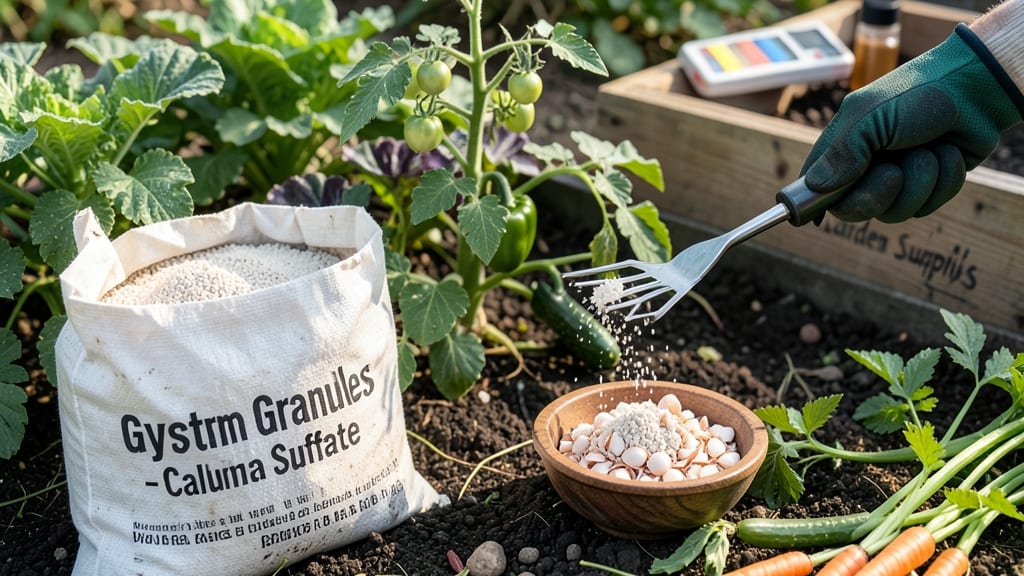
Calcium for vegetable gardens strengthens cell walls, prevents blossom-end rot in tomatoes, and improves soil structure, but overuse can disrupt nutrient balance. Apply 5-10 pounds per 100 square feet annually as gypsum or lime, testing soil first for pH and calcium levels.
Calcium acts like a structural backbone for your plants, helping them resist pests and diseases while improving their ability to absorb other essential nutrients. 🌱 Without enough calcium, you'll often see classic signs like the sunken black spots on tomatoes (blossom-end rot) or weak stems that can't support heavy fruits.
I've seen gardens transform when they add the right calcium source—just be careful not to overdo it, as too much can actually lock out other nutrients like phosphorus and magnesium.
For most gardeners, the easiest way to add calcium is through gypsum (calcium sulfate) or agricultural lime (calcium carbonate), both of which dissolve slowly in the soil. 💫 If you're dealing with a specific deficiency like blossom-end rot, a foliar spray made from crushed eggshells can work wonders—just boil and strain them first to create a fine powder.
The key is testing your soil's pH and calcium levels before applying anything, so you know exactly what your plants need.
💡 In This Article
- How Calcium Boosts Plant Health in Vegetable Gardens
- Best Calcium Sources and Application Techniques for Gardens
How calcium boosts plant health in vegetable gardens
Calcium plays a critical role in plant cell walls by cross-linking pectin molecules, essentially acting like molecular "glue" that strengthens the structural integrity of plant tissues.
When plants have adequate calcium, their cell walls become more rigid, which helps them resist physical damage from wind, pests, and even the weight of heavy fruits like tomatoes or squash.
Think of it like reinforcing the framework of a building—without proper calcium levels, plants develop weak spots that are prone to collapse or disease.
One of the most visible signs of calcium deficiency is blossom-end rot in tomatoes, where the fruit develops sunken, dark spots near the blossom end. This happens because calcium is immobile in plants—meaning it can't be transported from older leaves to new growth when needed.
The symptoms often appear when plants are growing rapidly (like during hot weather) but calcium uptake is slow. Peppers and squash show similar issues, with weak stems that can't support their own weight or develop cracked fruit walls. 🌱
Beyond structural support, calcium also enhances nutrient uptake efficiency. It helps regulate membrane permeability, allowing plants to absorb other essential nutrients like nitrogen and phosphorus more effectively. Without enough calcium, plants may show stunted growth or yellowing leaves (chlorosis), even if they're receiving adequate water and fertilizer.
This is why a balanced calcium level isn't just about preventing visible damage—it's about optimizing overall plant health and productivity.
Calcium deficiency symptoms often appear first in new growth because young tissues have higher calcium demands. For example, tomato seedlings may develop distorted leaves or fail to set fruit properly. The good news is that calcium works quickly when applied correctly—unlike some nutrients that take weeks to show effects.
Within 7-14 days of proper calcium application, you'll often see improved stem strength and reduced disease susceptibility in affected plants.
Soil pH plays a huge role in calcium availability. In acidic soils (pH < 6.0), calcium becomes less accessible to plant roots because it binds tightly to soil particles. This is why gardeners in humid climates often need to add calcium more frequently. The ideal soil pH for calcium uptake is between 6.0 and 7.0, where calcium remains soluble and mobile in the soil solution. Testing your soil's pH before applying calcium amendments can save you from wasting resources on treatments your plants can't actually use.
What most gardeners don't realize is that calcium deficiency often stems from poor water management. Calcium moves through plants via the transpiration stream—the same process that carries water from roots to leaves.
When soil moisture fluctuates (like during dry spells followed by heavy watering), calcium uptake becomes erratic. This is why consistent irrigation is just as important as applying calcium itself. 💫