
Advice
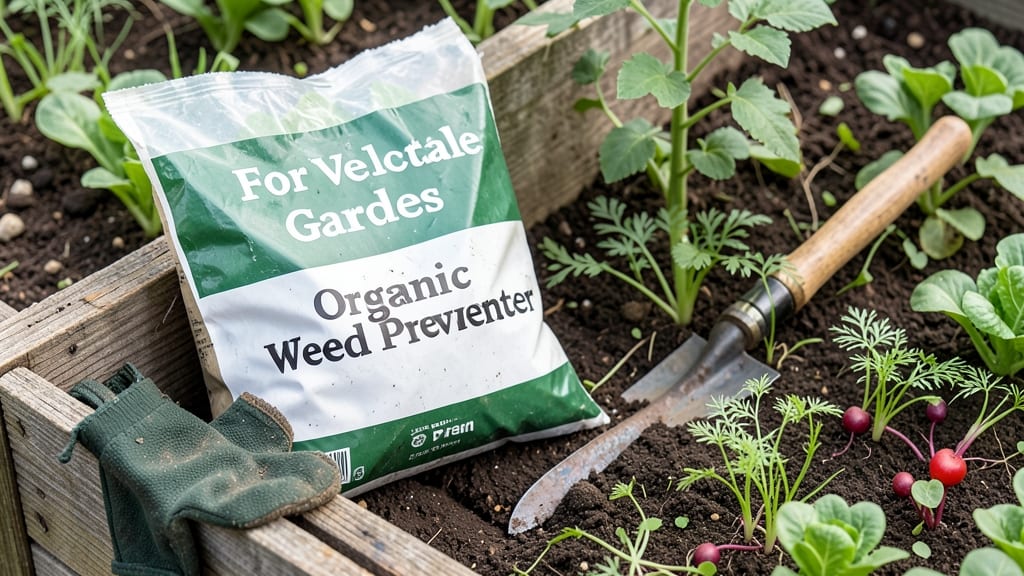
You can use Preen in a vegetable garden safely for many edible plants when applied according to directions, but avoid spraying on leafy greens, herbs, or shallow-rooted vegetables like lettuce and radishes. Always wait for the product to fully dry before harvesting any edible parts.
Preen works primarily by creating a protective barrier on soil that prevents weed seeds from germinating, rather than harming existing plants directly. 🌱 The active ingredients—often corn gluten meal, plant oils, or synthetic polymers—don't linger in the soil long-term, making it suitable for organic gardening when used properly.
The key is targeting only the soil between plants, not the foliage or roots, to avoid any potential residue on edible portions.
For vegetables like tomatoes, peppers, and beans, Preen is generally safe when applied as a granular or liquid formulation around the base of mature plants. However, crops with edible leaves or shallow roots—such as spinach, onions, or carrots—require extra caution.
I recommend applying Preen at least 2-3 weeks before harvest to ensure any residual film has broken down, and always test a small area first to monitor plant reactions.
💡 In This Article
- How Preen Works in Vegetable Gardens: Active Ingredients and Mechanism
- Safe Preen Application for Edible Crops: Plant-Specific Guidelines
How Preen works in vegetable gardens: active ingredients and mechanism
Preen primarily functions as a pre-emergent herbicide, meaning it prevents weed seeds from sprouting rather than killing existing weeds. The active ingredients vary by product line but often include corn gluten meal (a natural byproduct of corn processing) or synthetic polymers that create a physical barrier on the soil surface.
When applied correctly, these ingredients form a thin film that blocks sunlight and moisture—two critical factors for weed seed germination—while allowing water and nutrients to penetrate to your desired plants.
The science behind this involves seed dormancy disruption. Weed seeds require specific conditions to germinate, including adequate light and moisture. Preen's active components either block light penetration (with corn gluten meal) or create a hydrophobic barrier (with synthetic polymers) that prevents water absorption.
For example, corn gluten meal breaks down into amino acids that interfere with seedling growth, while polymer-based Preen forms a temporary waterproof layer that suffocates emerging weeds. This dual-action approach ensures weeds stay dormant without harming established vegetable plants.
One of the most significant advantages of Preen is its minimal impact on soil microbes. Unlike chemical herbicides that can disrupt beneficial bacteria and fungi, corn gluten meal actually enriches the soil with nitrogen as it decomposes. This makes Preen a popular choice for organic gardeners.
However, the effectiveness depends on proper application—granular forms must be watered in to activate, while liquid versions require even coverage. The film typically lasts 3-6 months before breaking down, giving you a weed-free window without long-term soil disruption.
For vegetables with deep root systems like tomatoes or peppers, Preen works exceptionally well when applied 2-3 inches away from the plant stems. The active ingredients don't translocate (move) into plant tissues, so they pose no risk to edible parts.
However, the challenge lies in avoiding overspray on foliage, which can create a sticky residue. This is why granular formulations are often preferred—they allow for more precise application around mature plants without risking leaf contact.
What most gardeners don't realize is how Preen's mechanism differs from post-emergent herbicides. Instead of targeting existing weeds, it focuses on preventing future growth. This proactive approach is particularly valuable in vegetable gardens where frequent tilling or hand-weeding can disturb soil structure.
For instance, in a 10x10-foot raised bed, applying Preen at planting time can eliminate 80-90% of weed seeds that would otherwise compete with crops for nutrients and water.
Consider these key factors when choosing Preen for your garden:
- Soil type: Works best in well-draining soils where the active ingredients can form an effective barrier
- Plant maturity: Apply only after seedlings have established roots (typically 2-3 weeks post-planting)
- Weather conditions: Avoid application before heavy rain, which can wash away the protective film
- Crop rotation: Use in areas where you won't plant sensitive crops like carrots or onions for 3-4 months