
Fertilization
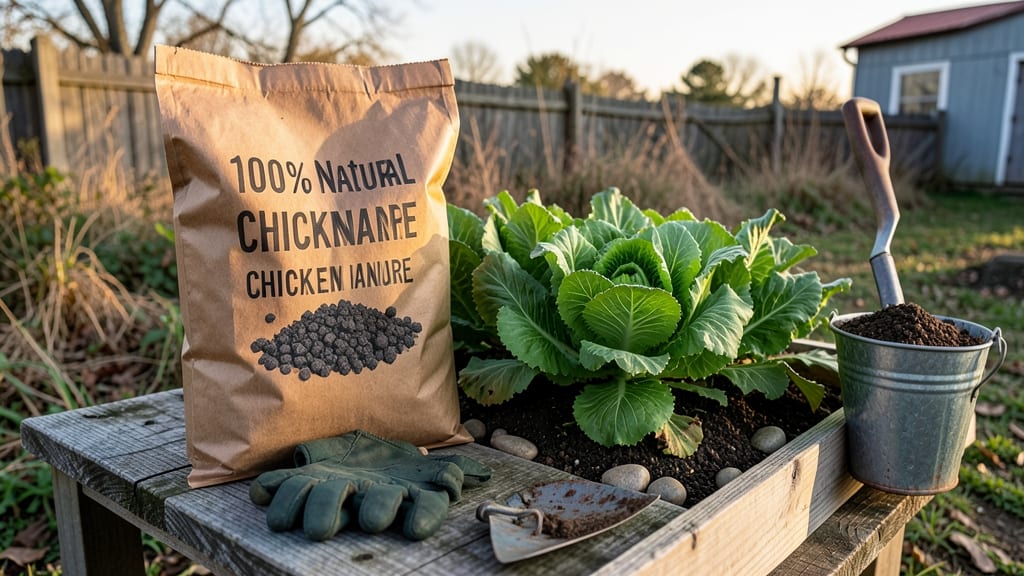
Using chicken fertilizer in your garden boosts soil health with a free, nitrogen-rich powerhouse that cuts costs and feeds plants naturally.
Picture this: your 🌱 General Garden Plants thriving in Zone 6a soil that’s so fertile, neighbors ask for secrets. The key? Chicken manure—when composted right—packs three times the nitrogen of synthetic fertilizers, but fresh manure can burn roots if applied directly. That’s why timing and prep matter.
Whether you’re growing veggies, flowers, or lawns, this fertilizer works wonders—but not all plants love its high nitrogen. We’ll show you which crops thrive with it and which to avoid, plus how to balance it with other organic amendments for maximum results.
Ready to slash fertilizer costs and grow stronger plants? Here’s how to source, compost, and apply chicken fertilizer safely—plus when to skip it entirely for the best harvests.

How to make chicken fertilizer: step-by-step guide for safe, high-nitrogen compost
If you’ve ever wondered how to turn chicken manure into a powerhouse garden fertilizer, you’re in the right place. Chicken manure is one of the richest natural fertilizers available, packed with nitrogen, phosphorus, and potassium—but it must be handled correctly.
Fresh manure can burn plant roots and spread pathogens, so proper composting is key. With the right approach, you’ll create a nutrient-dense soil amendment that boosts your garden’s health without the cost of synthetic fertilizers.
Before diving in, know that aged chicken manure is the gold standard for gardeners. It’s safe, effective, and free if you have access to local poultry farms.
Whether you’re growing leafy greens, tomatoes, or flowers, this guide will walk you through every step—from sourcing to application—to ensure your garden thrives. Let’s get started with the step-by-step process that turns raw manure into garden magic.
Look for fresh, dry manure from healthy chickens. Avoid manure from birds fed medications or pesticides, as these can harm your garden. Local farms, homesteaders, or even your own backyard flock (if available) are great sources.
Keep manure in a dry, shaded bin or pile to prevent mold and odor. Use a covered compost bin or tarp to protect it from rain. Proper storage prevents nutrient loss and keeps it ready for composting.
Fresh chicken manure is too strong for direct garden use. Age it for 6 months (minimum) or up to a year for maximum safety. Turn the pile every 2-3 months to speed up decomposition and reduce pathogens.
Aged manure should look dark brown or black and smell earthy (not ammonia-like). If it still smells strong, compost it longer. You can also mix it with finished compost to dilute its potency.
Sprinkle 1-2 inches of aged manure over garden beds and mix into the top 6 inches of soil. For container gardens, use 1 cup per 5-gallon pot. Avoid direct contact with plant stems to prevent burns.
After applying, water thoroughly to help nutrients penetrate the soil. Monitor your plants for excessive leaf growth (a sign of too much nitrogen) or yellowing leaves (possible over-application). Adjust future doses accordingly.
Now that you’ve mastered the composting process, let’s talk about how to use your homemade chicken fertilizer effectively. One of the biggest mistakes gardeners make is applying fresh manure directly to plants, which can burn roots and harm seedlings.
Always compost it first—this step ensures your fertilizer is safe, nutrient-rich, and ready to supercharge your garden. For example, I once used fresh chicken manure on my tomato plants and ended up with crispy leaf edges. Lesson learned!
For vegetable gardens, aged chicken manure is especially beneficial for leafy greens like lettuce and spinach, which thrive on nitrogen. However, root crops like carrots or beets need less nitrogen and more phosphorus, so use it sparingly.
Always mix it into the soil rather than top-dressing, as this prevents nutrient loss from rain or wind. Think of it as a slow-release feast for your plants’ roots.
If you’re wondering how often to apply chicken fertilizer, aim for once every 3-4 months during the growing season. Over-fertilizing can lead to excessive foliage at the expense of flowers or fruit.
For instance, my zucchini plants went wild with leaves but produced almost no fruit until I cut back on the fertilizer. Balance is key! Always pair it with compost or balanced organic fertilizer
Best plants to grow with chicken manure fertilizer (and which to avoid)
Chicken manure is a gardener’s nitrogen goldmine, but not every plant loves its high-nutrient punch. Leafy greens, fast-growing veggies, and heavy feeders thrive with this fertilizer, while fruiting plants or those needing balanced nutrients may suffer. The key? Aged manure (3-6 months composted) prevents root burn while maximizing growth.
For vegetables, focus on nitrogen-hungry crops like lettuce, spinach, and peas. These plants respond dramatically to chicken manure’s richness, producing lush foliage and higher yields. Even corn and beans benefit from its quick-release nitrogen, though beans fix their own nitrogen—so use it sparingly for these legumes.
Flowers also love chicken manure, especially sunflowers, marigolds, and zucchini blossoms. The extra nitrogen boosts flower production and stem strength, making them perfect for pollinator gardens. However, avoid overdoing it—too much nitrogen can lead to leafy growth at the expense of blooms.
Herbs like basil, parsley, and cilantro are nitrogen gluttons and will reward you with bold flavors and rapid regrowth after harvest. Even mint and comfrey (great for compost teas) grow aggressively with chicken manure. Just contain them—they’ll spread like wildfire!
🌱 Chicken Manure: Pros & Cons for Your Garden
✅ Pros
- High nitrogen for leafy growth
- Free or low-cost if sourced locally
- Improves soil structure over time
- Rich in microbes that break down organic matter
- Great for compost teas when steeped
❌ Cons
- Fresh manure burns roots—must compost first
- Too much nitrogen reduces fruiting in some plants
- Can attract pests if not stored properly
- Not ideal for acid-loving plants like blueberries
- May contain pathogens if not composted long enough
Now, let’s talk avoid. Plants like onions, garlic, and strawberries dislike chicken manure’s high nitrogen, which causes leafy growth instead of bulbs or fruit. Tomatoes and peppers also prefer balanced fertilizers—too much nitrogen leads to weak stems and fewer harvests.
Even carrots and beets can become stringy or woody with excess nitrogen.
For these sensitive plants, dilute the manure (1 part manure to 10 parts soil) or pair it with compost or phosphorus-rich amendments. Test your soil first—if nitrogen levels are already high, skip the chicken manure entirely and opt for composted leaf mold or bone meal instead.
Pro tip: Mix chicken manure into the soil 2-4 weeks before planting nitrogen-loving crops. For existing plants, top-dress with a thin layer and water deeply to prevent root burn and maximize nutrient uptake.
With the right plants and proper prep, you’ll have a lush, productive garden—all while saving money and reducing waste!