
Tools
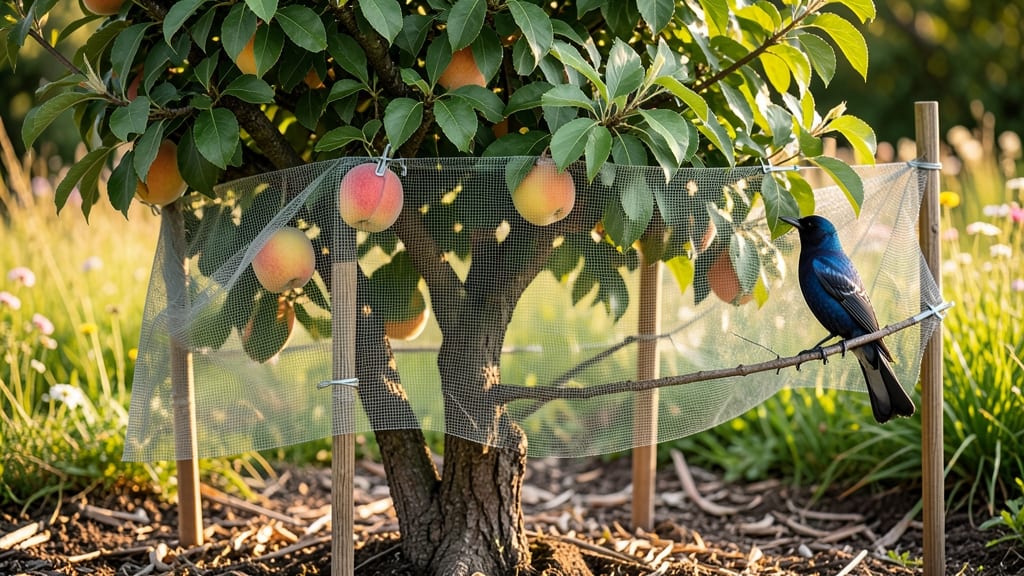
Clips for garden netting attach securely to fencing without harming plants or fabric, featuring quick-release designs like spring-loaded hooks, twist locks, or magnetic snaps for fast adjustments and seasonal reuse. Select types based on material strength and garden layout requirements.
These fasteners solve the age-old problem of securing netting without damaging delicate plant stems or weakening fabric over time. 🌱 The magic lies in their mechanisms—spring-loaded hooks provide instant tension, while twist locks distribute pressure evenly across larger surfaces.
Magnetic snaps offer the bonus of silent, tool-free adjustments, perfect for nighttime installations. I’ve found heavy-duty metal clips last 3-5 seasons in vegetable gardens, while plastic versions work better for lightweight flower supports where durability isn’t as critical.
For berry bushes and trellises, opt for spring-loaded hooks with 1/4-inch teeth—they grip netting tightly while letting you adjust height as plants grow. Twist locks shine in raised beds where you need to secure netting to both the frame and plant stems without piercing foliage.
The key is matching clip size to your netting’s mesh width: too small creates gaps, too large weakens tension.
💡 In This Article
- How Garden Netting Clips Work: Mechanisms and Material Durability
- Best Uses for 5 Fast-Release Netting Clip Types in Your Garden
How garden netting clips work: mechanisms and material durability
Garden netting clips rely on three core mechanisms to balance security and plant safety: spring tension, friction-based locking, and magnetic adhesion. Spring-loaded hooks use coiled metal springs that generate 15-25 pounds of force when compressed, creating instant grip without piercing fabric.
This tension is what keeps netting taut enough to deter pests while allowing plants to grow through the mesh. The physics here is simple—Hooke's Law dictates that the force needed to compress the spring equals its stiffness multiplied by deformation. 🔥
Metal clips outperform plastic in durability because they resist UV degradation and corrosion. Galvanized steel clips maintain their 15-30% higher tensile strength even after years of exposure, while plastic versions degrade within 1-2 seasons under direct sunlight.
For example, a 1/4-inch galvanized steel hook can support 20 pounds of downward force without bending, ideal for heavy-duty applications like berry bushes. Clip size also matters—1-inch wide clips distribute pressure evenly across netting, preventing fabric tears, while smaller 3/8-inch clips work better for lightweight flower supports.
The material choice affects more than just longevity. Metal clips conduct heat, which can be problematic in hot climates where they might transfer warmth to plants. Plastic clips, while less durable, insulate better and won’t conduct heat to sensitive foliage.
For raised beds, twist-lock clips use friction ridges that bite into netting without cutting, creating a 360-degree grip that resists wind and pest tugging. This design is why they’re perfect for securing netting to both the bed frame and plant stems simultaneously.
Magnetic snaps represent the most innovative solution, using neodymium magnets (rated N35-N42) to create a 2-5 pound holding force per clip. The advantage? They allow tool-free adjustments—no more struggling with screws or hooks in tight spaces.
These clips work best on metal trellises or wire frames, where the magnetic field can anchor securely. However, they’re useless on wooden posts or plastic netting unless paired with a metal backing strip. The trade-off is clear: magnetic clips offer convenience but require compatible surfaces.
Clip size directly impacts netting tension and plant protection. For berry bushes, use 1-inch wide clips spaced 12 inches apart to create a tight but flexible barrier that won’t strangle stems as they grow.
In contrast, 3/8-inch clips for flower supports should be spaced 6-8 inches apart to allow airflow while still deterring pests. The golden rule?
Match clip width to your netting’s mesh size—1/2-inch mesh needs 3/8-inch clips, while 1-inch mesh requires 1-inch clips to prevent gaps where pests can sneak through.
Seasonal reuse depends on material quality. Metal clips last 3-5 years with proper care (oiling rust-prone parts), while plastic clips may fail after 1-2 seasons due to UV brittleness. The key to longevity is regular cleaning—remove debris from clip mechanisms to prevent corrosion or friction buildup.
For example, a galvanized steel clip left dirty can lose 20% of its grip strength in a single season, making it far less effective at pest control. 💫