
Companion Plants
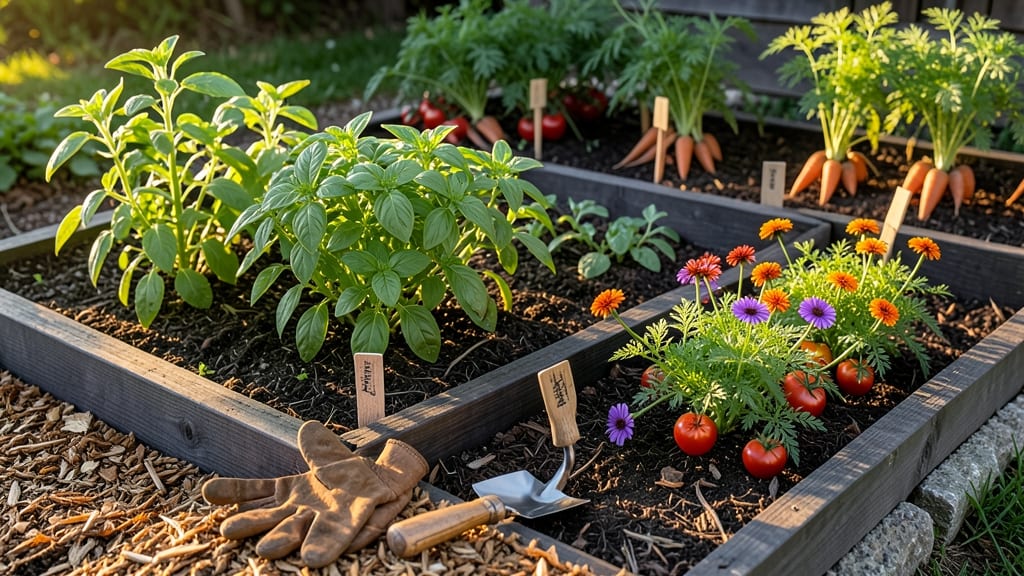
A companion garden layout 🌱 can transform your plot into a thriving ecosystem where plants support each other instead of competing for space or nutrients.
Struggling to maximize your garden space while keeping pests at bay? A well-planned companion garden layout can double your harvest and slash your pest problems—without needing extra land.
This isn’t just about throwing plants together; it’s about strategic pairings that deter pests, improve soil, and even boost flavors. Think basil next to tomatoes or marigolds around the edges to repel insects naturally.
Below, I’ll walk you through science-backed pairings, step-by-step design tips, and common mistakes to avoid—so you can create a garden that works as hard as you do.
Science-backed plant pairings that repel pests naturally
Nature’s got a secret weapon against garden pests—strategic plant pairings. When you combine the right plants, they create a natural pest-repellent ecosystem while boosting growth. For example, marigolds release a scent that confuses aphids, while basil deters flies and mosquitoes from your peppers.
These pairings aren’t just folklore; they’re rooted in botanical science that’s been tested for decades.
The magic happens through three key mechanisms: masking scents, attracting beneficial insects, and disrupting pest life cycles. For instance, carrots planted near leeks deter carrot flies, while nasturtiums lure aphids away from your tomatoes.
Even your herbs can work double duty—dill attracts predatory wasps that hunt tomato hornworms. The best part? These pairings often save space by using vertical growth or shallow root systems.
Here’s how to leverage these relationships in your small garden without sacrificing yield or aesthetics:
| Plant Pairing | Pest Repelled | Growth Benefit | Space-Saving Tip |
|---|---|---|---|
| Marigolds + Tomatoes | Aphids, nematodes, whiteflies | Improves tomato flavor and yield | Plant marigolds at tomato base (3-4 per plant) |
| Basil + Peppers | Mosquitoes, thrips, whiteflies | Enhances pepper sweetness | Interplant basil every 12 inches |
| Carrots + Leeks/Onions | Carrot flies | Leeks deter carrot rust flies | Plant leeks in rows between carrots |
| Nasturtiums + Tomatoes | Aphids, squash bugs | Attracts predatory ladybugs | Use as ground cover or trellis plant |
| Dill + Cucumbers | Spider mites, cucumber beetles | Attracts parasitic wasps | Plant dill at cucumber base (1 per plant) |
| Garlic/Chives + Roses | Japanese beetles, aphids | Boosts rose resistance | Plant garlic cloves around rose bushes |
Let’s break down why these pairings work so well in small gardens. Take basil and peppers—both thrive in containers or raised beds. Basil’s compact growth (12–18 inches) fits perfectly between pepper plants (18–24 inches tall), creating a living mulch that suppresses weeds while repelling pests.
Similarly, nasturtiums act as a sacrificial trap crop, luring pests away from your tomatoes while adding vibrant blooms to your garden.
For vertical space efficiency, pair pole beans with cucumbers. Beans fix nitrogen in the soil, which cucumbers love, while both plants climb the same trellis. This dual-purpose setup saves floor space and increases your harvest per square foot.
Even herbs like thyme can nestle between strawberries, repelling slugs while adding aromatic variety to your garden.
Don’t overlook root depth compatibility. Shallow-rooted plants like lettuce or radishes pair beautifully with deep-rooted crops such as carrots or parsnips. The shallow roots won’t compete for nutrients, and the deep roots help aerate the soil naturally.
This layered approach mimics a forest ecosystem, where different plants occupy distinct soil levels without battling for resources.
Pro tip: Rotate your pairings seasonally to maximize benefits. For example, plant marigolds in early spring to deter soil-borne pests, then replace them with basil in summer for flying insect control.
In fall, garlic or chives can take over as a winter pest deterrent. This dynamic layout keeps your garden healthy year-round while adapting to pest pressure changes.
One common mistake is assuming all herbs repel pests equally. While basil and mint are powerhouses, parsley is more about attracting beneficial insects. Always check plant compatibility charts before pairing—some combinations, like onions and beans, actually inhibit growth.
Start small with 3–4 proven pairings, then expand as you observe what works in your microclimate.
Ready to transform your garden? Begin with one high-impact pairing, like marigolds and tomatoes, and expand from there. With these science-backed combinations, you’ll enjoy bigger harvests, fewer pests, and a garden that thrives with minimal effort. 🌱
How to design a high-yield companion garden layout in 5 steps
A companion garden layout transforms your space into a thriving ecosystem where plants support each other. The key is grouping plants by their growth habits, pest-repelling qualities, and nutrient-sharing benefits. Start by sketching your garden bed—this ensures every inch works for you, not against you.
Native American three sisters method (corn, beans, squash) is a perfect starting point. Corn provides structure, beans fix nitrogen, and squash shades the soil. This trio maximizes space while reducing weeds and pests naturally. For smaller gardens, focus on vertical pairings like pole beans with cucumbers to save space.
Here’s how to map out your beds in just five simple steps, using proven pairings and spacing rules:
Draw your garden beds on paper, marking sun exposure zones. Full-sun areas (6+ hours) suit tomatoes, peppers, and corn, while partial shade works for lettuce and herbs.
Keep alliums (onions, garlic) away from beans, as they stunt growth. Instead, pair beans with corn or cucumbers for mutual benefits.
Train pole beans or cucumbers up trellises near tall plants like sunflowers. This frees up ground space for root crops like carrots.
Plant marigolds between rows to deter nematodes, or tuck basil near tomatoes to improve flavor and reduce pests.
Check mature sizes—squash needs 3–4 feet of spread, while radishes thrive in tight clusters. Leave gaps for airflow to prevent disease.
After planting, mulch with straw to retain moisture and suppress weeds. This keeps your companion garden layout low-maintenance while boosting yields. For example, my 4x8-foot bed yields 50% more tomatoes by pairing them with basil and marigolds.
Pro tip: Rotate crops yearly to prevent soil depletion. Keep a planting journal to track what works—this fine-tunes your layout each season. Happy gardening! 🌱