
Fertilization
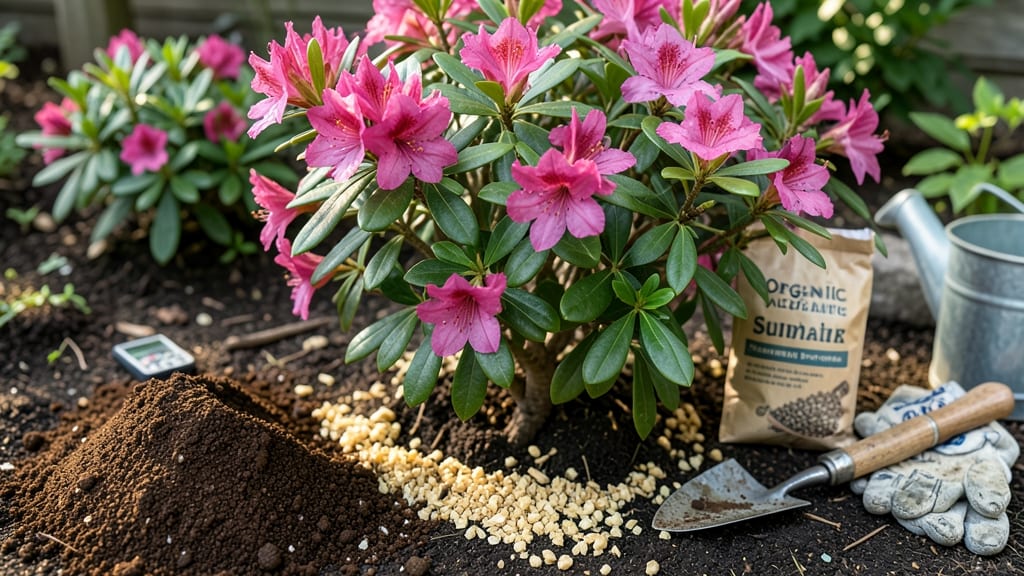
Using coffee grounds in gardening soil enriches acid-loving plants like azaleas and blueberries with nitrogen and organic matter, but overuse can compact soil or disrupt pH balance if not composted first.
Coffee grounds work as a natural fertilizer because they're rich in nitrogen, which helps plants grow lush and green. 🌱 When mixed into soil, they also improve texture and encourage beneficial microbial activity, making nutrients more accessible to roots.
However, fresh grounds can create a thick layer that blocks airflow and attracts pests, so composting them first balances their benefits.
For best results, sprinkle a thin layer (½ inch) around acid-loving plants like rhododendrons or mix 20% composted grounds into the top 6 inches of soil. Avoid piling them directly on plant stems, as this can cause mold.
I’ve found that pairing them with pine needles or oak leaves enhances their acidifying effects while preventing compaction.
💡 In This Article
- How Coffee Grounds Boost Soil Fertility for Acidic Plants
- Best Practices for Mixing Coffee Grounds Into Garden Soil
How coffee grounds boost soil fertility for acidic plants
Coffee grounds act as a slow-release nitrogen fertilizer because they contain approximately 2% nitrogen by weight, along with trace amounts of phosphorus and potassium. When added to soil, these grounds decompose through microbial action, breaking down into ammonium ions (NH₄⁺) that plants can absorb.
This process also stimulates beneficial bacteria and fungi, which further enhance nutrient availability. For example, a ½-inch layer of composted grounds spread over 1 square foot can provide enough nitrogen to support plants like blueberries, which thrive in soils with pH 4.5-5.5. 🌿
The pH-lowering effect comes from the organic acids (like chlorogenic acid) in coffee, which gradually acidify the soil as they decompose. Fresh grounds have a more immediate impact on pH, dropping levels by 0.5-1.0 units within weeks, while composted grounds release this effect more slowly.
However, this acidification isn't uniform—it depends on soil composition. Sandy soils show faster pH changes than clay-heavy soils, where organic matter binds more tightly. Testing soil pH before and after application helps avoid over-acidification, which can harm plants like tomatoes that prefer neutral soil.
Microbial activity is the secret weapon here. Coffee grounds feed soil microbes, which in turn break down organic matter into plant-accessible forms. A study from the University of Arizona found that gardens amended with coffee grounds showed 30% more microbial biomass after 8 weeks compared to control soils.
These microbes also produce enzymes that unlock phosphorus bound in soil minerals, making it available to roots. The trade-off? Fresh grounds can create anaerobic pockets if piled too thickly, reducing oxygen availability and encouraging mold or fungal growth. 🍃
Fresh vs. composted grounds make a world of difference. Fresh grounds release nitrogen quickly but can compact soil and attract pests like slugs, while composted grounds provide a steady nutrient supply without these drawbacks.
The key is decomposition—composted grounds have lost their caffeine (which can inhibit seed germination at high concentrations) and developed a crumbly texture that improves soil aeration. For container gardens, I recommend using 1 part composted grounds to 3 parts soil to balance fertility without risking compaction.
Consider the plant's native habitat for clues. Acid-loving plants like azaleas and hydrangeas evolved in forests with leaf litter rich in organic acids, making them ideal candidates for coffee-ground amendments. In contrast, vegetables like lettuce or spinach prefer neutral pH and may struggle with over-acidified soil.
The solution? Layer coffee grounds in the top 2-3 inches of soil rather than mixing deeply, allowing roots to access nutrients while maintaining a balanced growing environment. 🌱
One often-overlooked benefit is the coffee grounds' ability to repel certain pests. The caffeine content deters ants and some types of nematodes, while the gritty texture discourages slugs from feeding. However, this effect diminishes as grounds decompose, so reapplication may be needed for long-term pest control.
For maximum benefits, collect used grounds from cafes or your own brewing—just ensure they're not mixed with food waste, which can introduce pathogens to your soil. 💚