
How To
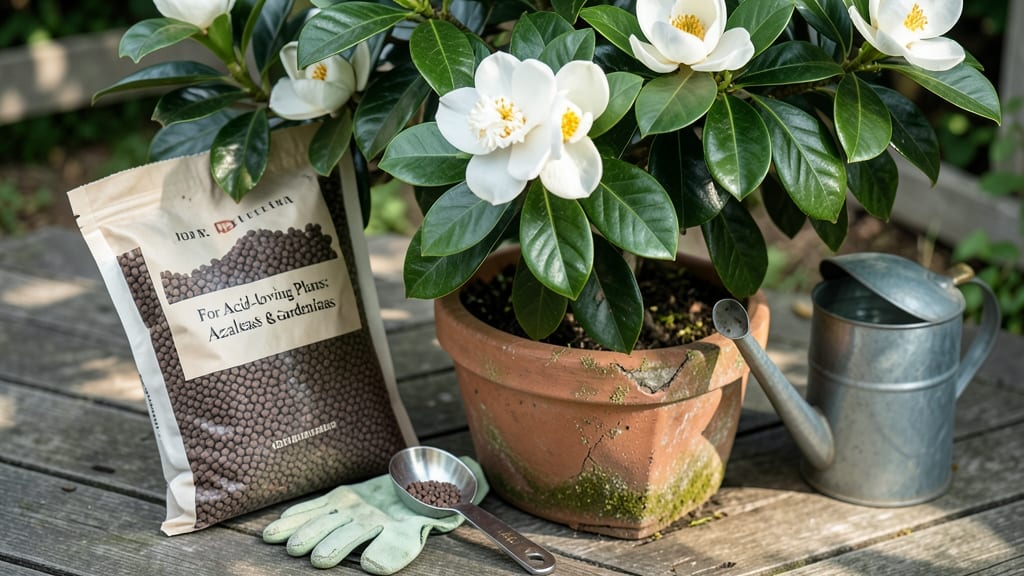
To fertilize gardenias at the right time means feeding them when they're hungry—not when they're resting—so you get those fragrant, glossy blooms year after year.
Picture this: You’ve spent months nurturing your 🌸 gardenia, only to watch it put out half-hearted flowers or—worse—drop buds entirely. Chances are, your timing is off. Gardenias thrive on a seasonal schedule, and fertilizing at the wrong moment can backfire, leaving your plant stressed or even stunted.
Most gardeners know these acid-loving shrubs need extra care, but few realize the critical windows for feeding. Spring is your prime time, but summer demands a lighter touch, and fall and winter?
That’s when you skip entirely. Below, I’ll walk you through the exact schedule, the best fertilizers, and how to read your plant’s signals so you never over- or under-do it again.
By the end, you’ll know not just when to fertilize, but how—whether you’re using organic compost or a synthetic blend—to keep your gardenias blooming like they’re in a nursery display, not your backyard.

Best times to fertilize gardenias for peak blooms and growth
Timing your gardenia fertilizer applications is the key to lush foliage and abundant blooms. Unlike many plants, gardenias thrive on a seasonal feeding schedule that aligns with their natural growth cycles. Fertilizing at the wrong time can stress your plant, leading to yellow leaves or sparse flowers.
Since gardenias are acid-loving plants, they also need the right type of fertilizer to maintain optimal soil pH.
Gardenias follow a three-season feeding pattern: spring for blooming, summer for maintenance, and a complete rest in fall and winter. Understanding these phases ensures your plant gets nutrients when it needs them most.
For example, feeding too late in the season can delay dormancy, while skipping spring fertilization may result in fewer blooms. Let’s break down the exact windows for each season.
| Season | Best Time to Fertilize | Fertilizer Type | Frequency | Key Goal |
|---|---|---|---|---|
| Spring (March-May) | Early spring (March) and late spring (May) | High-phosphorus (6-10-10) or citrus compost | Every 6-8 weeks | Encourage blooming and new growth |
| Summer (June-August) | Early summer (June) only | Light feed (half-strength fertilizer) | Once | Maintain growth without overstimulating |
| Fall (September-November) | None | N/A | N/A | Allow plant to enter dormancy |
| Winter (December-February) | None | N/A | N/A | No fertilization during dormancy |
Spring is the most critical time to fertilize gardenias because it kickstarts their blooming cycle. Start feeding in early March when you notice new growth emerging. Use a balanced fertilizer with higher phosphorus (like 6-10-10) to promote flower buds.
Repeat this in late May to sustain blooming through summer. I recommend applying fertilizer in the early morning to avoid leaf burn from heat.
Summer fertilization is minimal but important. Gardenias enter a growth plateau during hot months, so a light feed in June is enough to maintain health. Avoid heavy feeding, as it can lead to leaf scorch or excessive foliage at the expense of blooms.
If your gardenia is in a container, reduce the dose by half to prevent salt buildup in the soil.
Fall and winter are dormancy periods for gardenias, meaning no fertilization is needed. Feeding during these months can disrupt the plant’s natural rest cycle, leading to weak growth or even death.
Instead, focus on mulching with acidic materials like pine needles to maintain soil acidity naturally. This preparation helps your gardenia bounce back stronger in spring.
One common mistake is over-fertilizing gardenias, which can cause brown leaf tips or stunted growth. Always follow the 1 tablespoon per plant rule for granular fertilizers, and water thoroughly after application to distribute nutrients evenly.
If your gardenia’s leaves turn yellow, it may signal iron deficiency, which can be corrected with an iron sulfate supplement applied in spring.
For container-grown gardenias, adjust your schedule slightly. Since pots dry out faster, fertilize every 4-6 weeks in spring and summer, but still skip fall and winter.
Use a slow-release fertilizer to maintain steady nutrient levels without frequent applications. Remember, gardenias in containers need more frequent watering too, so monitor soil moisture closely.
Pro tip: Pair your fertilization schedule with regular pruning. After fertilizing in spring, trim back any dead or overgrown branches to encourage bushier growth. Prune lightly in summer to shape the plant, but avoid heavy cuts, as they can stress the gardenia during its growth plateau.
By following this seasonal fertilization guide, your gardenias will reward you with vibrant blooms and lush foliage year after year. The key is patience—gardenias thrive on consistency, not quick fixes. Stick to the schedule, and you’ll enjoy a fragrant, healthy shrub that’s the envy of the neighborhood! 🌸
How to choose the right acidic fertilizer for gardenias
Gardenias demand acidic soil to thrive, typically preferring a pH between 5.0 and 6.5. Without the right fertilizer, your plant may struggle to absorb essential nutrients, leading to pale leaves or poor blooming. The challenge?
Not all fertilizers are created equal—organic options build soil health slowly, while synthetics deliver quick results. Let’s break down your choices so you can pick what works best for your gardenia’s growth stage and blooming goals.
First, consider your gardenia’s current needs. If your soil test shows a pH below 5.0, you’ll need a fertilizer that not only feeds but also acidifies the soil. Iron sulfate is a classic choice, but it can be harsh if overused.
Organic options like peat-based compost or citrus compost are gentler and improve soil structure over time. Each has its pros and cons, and your decision should align with your gardening style—whether you prefer fast results or long-term soil health.
Here’s a quick comparison to help you decide:
Organic vs. Synthetic Acidic Fertilizers for Gardenias
Organic Options
- Pros: Gentle, improves soil, long-term benefits
- Cons: Slower results, may require frequent applications
Synthetic Options
- Pros: Fast-acting, precise nutrient delivery
- Cons: Can burn roots if overused, no soil benefits
Iron Sulfate
- Best for: Rapid pH adjustment
- Application: Sprinkle lightly, water in
Peat-Based Compost
- Best for: Long-term soil acidity
- Application: Mix into top 2 inches of soil
Citrus Compost
- Best for: Natural acidity boost
- Application: Work into soil annually
When applying any acidic fertilizer, follow the label instructions to avoid overdoing it. A common mistake is assuming more fertilizer equals better blooms—this can actually burn roots and harm your gardenia.
For organic options, I recommend applying every 3-4 months during the growing season (spring and summer), while synthetic fertilizers can be used every 6-8 weeks. Always water thoroughly after application to help nutrients penetrate the soil.
If your gardenia’s soil is already acidic but lacks nutrients, a balanced fertilizer with a higher phosphorus content (like a 6-10-10 blend) can encourage blooming. For example, I’ve had great success with a slow-release organic fertilizer in early spring, followed by a light liquid feed in midsummer.
This two-step approach keeps my gardenias lush and blooming without stressing the plant.
For those dealing with chlorotic leaves (yellowing between veins), iron deficiency is often the culprit. In this case, a chelated iron supplement applied every 4-6 weeks can work wonders. Just remember: less is more—gardenias are sensitive to excess salts and nutrients, so always err on the side of caution.
Finally, don’t forget to test your soil annually. A simple pH test kit (available at garden centers) will tell you if your soil is too alkaline or acidic. If the pH creeps above 6.5, you’ll need to reacidify the soil using one of the methods above.
With the right fertilizer and timing, your gardenias will reward you with glossy foliage and fragrant blooms all season long.